Công ty Hải Đức Bột với hơn 10 năm kinh nghiệm vận chuyển khí, cung cấp hệ thống‑thiết bị‑quạt gió và nhận dự án tổng thầu bột cả nước
Calcium hydroxide, commonly known as slaked lime, is a versatile chemical widely used in various industrial applications such as water treatment, construction, and chemical manufacturing. The efficient and safe delivery of this material from storage to processing equipment is crucial for maintaining operational efficiency and ensuring product quality. HeadPowder, a leading supplier based in Shandong, China, offers a range of delivery methods tailored to different industrial needs. This article provides a detailed comparison of common calcium hydroxide delivery methods, highlighting their applications, advantages, and limitations.
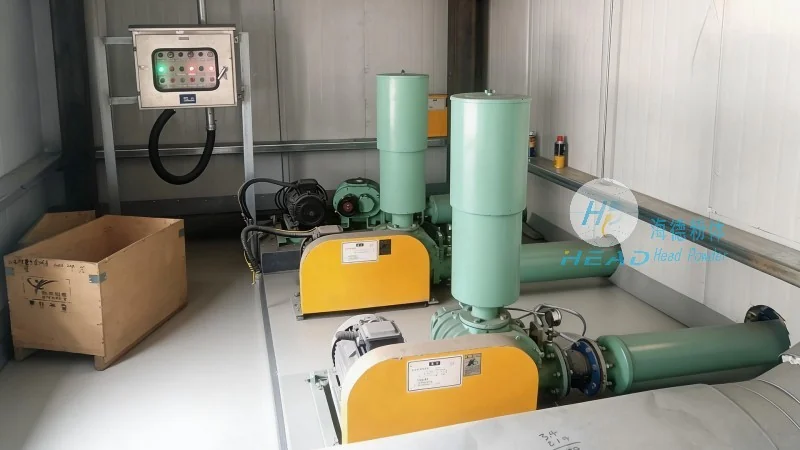
1. Positive Pressure Pumping Systems
Positive pressure pumping systems are among the most common methods for transporting calcium hydroxide. These systems typically use positive displacement pumps, such as rotary lobe or diaphragm pumps, to move the material through pipelines. The pump creates a positive pressure that forces the material forward, ensuring a consistent flow rate. This method is particularly suitable for applications requiring high pressure and precise flow control, such as in water treatment plants where calcium hydroxide is used for pH adjustment. The main advantages of positive pressure pumping include high efficiency, ability to handle abrasive materials, and minimal product degradation. However, these systems require regular maintenance to prevent wear and tear, and they may not be suitable for very fine or powdery calcium hydroxide due to the risk of clogging. HeadPowder provides high-quality positive pressure pumps designed to handle the specific characteristics of calcium hydroxide, ensuring reliable operation in demanding environments.
2. Screw Conveyors
Screw conveyors, also known as auger conveyors, are another popular choice for calcium hydroxide delivery. These devices consist of a rotating screw inside a trough, which moves the material along the length of the conveyor. Screw conveyors are ideal for horizontal or slightly inclined transport, making them suitable for applications where the material needs to be moved over short to medium distances. They are particularly effective for handling bulk quantities of calcium hydroxide, as they can maintain a consistent flow without the need for additional equipment. The primary benefits of screw conveyors include simplicity, low maintenance, and the ability to operate in a closed system, which helps contain dust and prevent contamination. However, they may not be as efficient for vertical transport and can experience wear on the screw and trough due to the abrasive nature of calcium hydroxide. HeadPowder offers robust screw conveyor systems with durable materials of construction, ensuring long-term performance and minimal downtime.
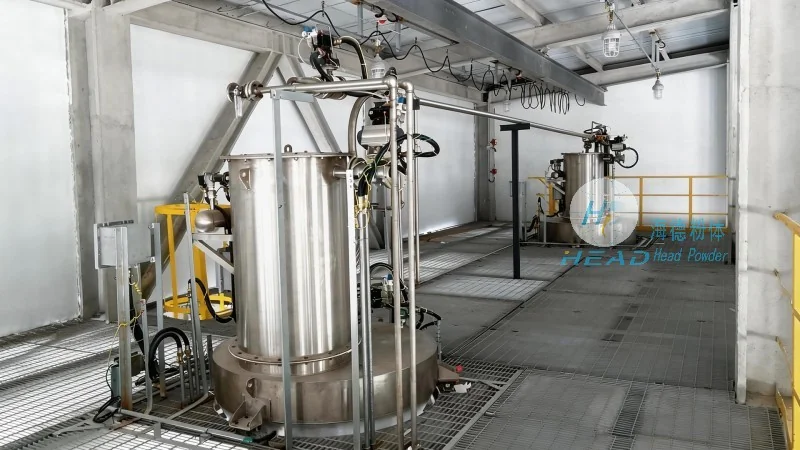
3. Pneumatic Conveying Systems
Pneumatic conveying systems use air or other gases to transport calcium hydroxide through a pipeline. These systems can be classified as either pressure or vacuum systems, depending on the method of material movement. Pressure systems use compressed air to push the material forward, while vacuum systems use suction to draw the material into the pipeline. Pneumatic conveying is well-suited for applications requiring long-distance transport or where the material needs to be moved from multiple sources to a central processing unit. One of the key advantages of this method is its ability to handle fine powders without the need for additional equipment, and it can be integrated with other processes, such as dust collection, to enhance overall efficiency. However, pneumatic conveying systems require higher energy input compared to other methods, and they may be less effective for very heavy or wet calcium hydroxide. HeadPowder provides advanced pneumatic conveying solutions that optimize energy use and ensure reliable material transport, even for challenging calcium hydroxide characteristics.
4. Hydraulic Conveying
Hydraulic conveying systems utilize water or a water-based slurry to transport calcium hydroxide. The material is mixed with water to form a slurry, which is then pumped through pipelines using hydraulic pumps. This method is commonly used in the mining and construction industries for transporting bulk materials over long distances. The main advantage of hydraulic conveying is its ability to handle very large quantities of material with minimal equipment, and it can be used to transport materials that are difficult to handle by other methods. However, this approach requires significant water usage and may result in higher operational costs due to the need for water treatment and disposal. Additionally, the slurry can be abrasive to the pipelines, leading to increased maintenance requirements. HeadPowder offers hydraulic conveying solutions that are designed to minimize water usage and maximize efficiency, ensuring sustainable operation for calcium hydroxide transport.
5. Comparing Delivery Methods
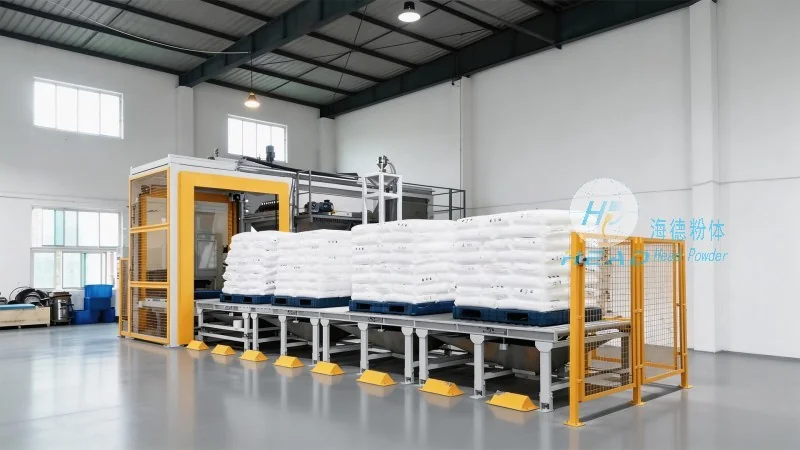
When selecting a calcium hydroxide delivery method, several factors must be considered, including the material's characteristics, distance of transport, required flow rate, and environmental constraints. Positive pressure pumping is often preferred for high-pressure applications and precise control, while screw conveyors are ideal for bulk handling and simple installations. Pneumatic conveying is suitable for long-distance transport and fine powders, and hydraulic conveying is best for very large quantities over long distances. HeadPowder evaluates these factors to recommend the most appropriate delivery system for each customer's specific needs. By understanding the advantages and limitations of each method, industrial facilities can optimize their calcium hydroxide delivery processes, improving efficiency, reducing costs, and enhancing overall operational performance.
Conclusion
Choosing the right calcium hydroxide delivery method is critical for ensuring the success of industrial processes. HeadPowder, with its expertise and comprehensive range of solutions, helps clients select and implement the most suitable delivery system. Whether using positive pressure pumping, screw conveyors, pneumatic systems, or hydraulic conveying, HeadPowder's commitment to quality and customer satisfaction ensures reliable and efficient calcium hydroxide transport. By partnering with HeadPowder, industrial facilities can enhance their operational efficiency, reduce downtime, and achieve better overall performance in their calcium hydroxide handling processes.

 Công ty TNHH Kỹ thuật Công trình Bột Hải Đức Sơn Đông
 156-6277-7102(Quản lý Trương)
  0531-83386006
  Quận Chương Khâu, Thành phố Tế Nam, Tỉnh Sơn Đông, Trung Quốc
Điện thoại
WeChatTư vấn
Lên đầu