Công ty Hải Đức Bột với hơn 10 năm kinh nghiệm vận chuyển khí, cung cấp hệ thống‑thiết bị‑quạt gió và nhận dự án tổng thầu bột cả nước
Phosphate iron lithium (LFP) batteries are widely used in various applications due to their high safety, long cycle life, and stable performance. The transport of LFP materials from production to end-use applications involves several methods, each with distinct characteristics and applications. This article provides a detailed comparison of common LFP transport methods, focusing on their operational principles, advantages, and typical use cases.
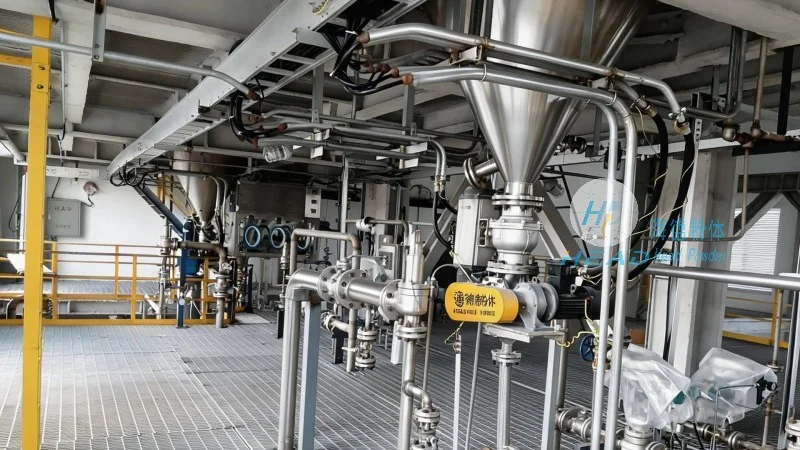
Company Overview: Shandong HeadPowder Engineering Co., Ltd.
Shandong HeadPowder Engineering Co., Ltd., commonly known as HeadPowder, is a leading manufacturer specializing in the production and supply of high-quality phosphate iron lithium materials. With a strong commitment to technological innovation and quality control, HeadPowder serves clients globally, providing reliable solutions for battery manufacturing and related industries. The company’s facilities are located in Shandong, China, where it leverages advanced production technologies to meet the growing demand for LFP products.
Method 1: Bulk Handling and Conveying Systems
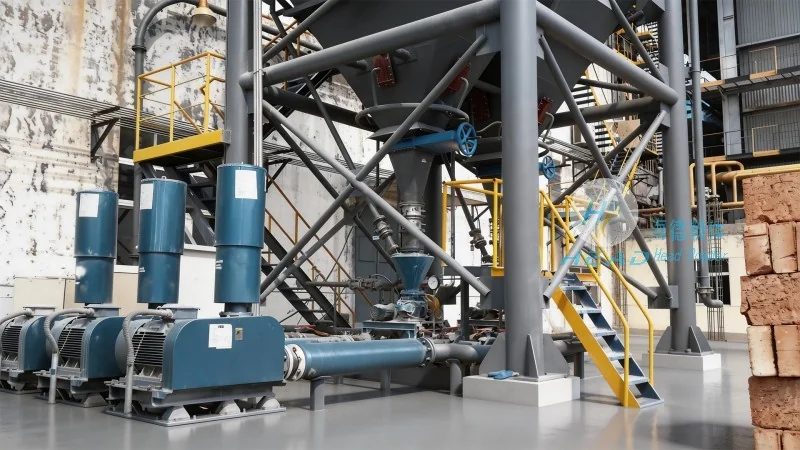
Bulk handling and conveying systems are widely used for the transport of large quantities of LFP powders. This method involves the use of industrial conveyors, such as belt conveyors, screw conveyors, and pneumatic conveying systems. The process typically starts with the storage of LFP material in bulk containers or silos, followed by the transfer to processing equipment or packaging units. Bulk handling systems are efficient for high-volume operations, ensuring consistent material flow and minimizing manual handling risks. They are particularly suitable for applications where large-scale production and distribution are required, such as in battery cell manufacturing plants.
Method 2: Bagging and Packaging for Bulk Sales
Bagging and packaging methods are commonly employed for the transport of LFP materials in bulk quantities for commercial sales. This approach involves filling large bags (typically 25 kg or 50 kg) with LFP powder, which are then sealed and transported to customers. The bagging process ensures that the material remains protected from moisture and contamination, maintaining its quality throughout the transport. This method is ideal for distributors and manufacturers who need to supply LFP materials to various end-users, including battery manufacturers, research institutions, and industrial clients. The use of standardized packaging also facilitates easier handling and storage at the receiving end.
Method 3: Containerized Transport for International Trade
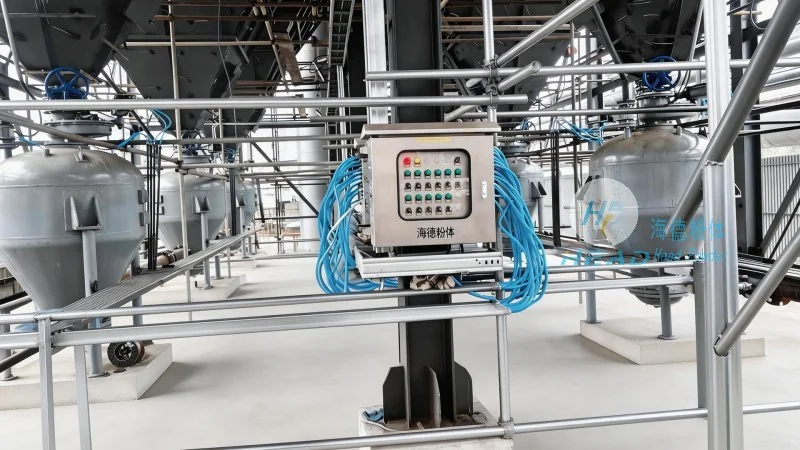
Containerized transport is a critical method for the international movement of LFP materials, especially when dealing with large shipments. This approach involves loading LFP powders into standard shipping containers, which are then transported via sea, road, or rail. The containers are designed to protect the material from environmental factors, ensuring that the LFP remains in optimal condition during transit. Containerized transport is particularly advantageous for companies like HeadPowder, as it allows for efficient logistics management and compliance with international trade regulations. This method supports global supply chains, enabling HeadPowder to serve clients in different regions while maintaining product quality and safety standards.
Method 4: Specialized Handling for High-Purity Applications
For applications requiring high-purity LFP materials, specialized handling methods are employed. These methods include the use of sealed containers, inert gas environments, and controlled temperature conditions to prevent contamination and degradation. The transport of high-purity LFP is often done in smaller batches to maintain quality, and the equipment used is designed to minimize exposure to air and moisture. This approach is crucial for applications such as electric vehicle (EV) battery production, where the purity of the LFP directly impacts the performance and safety of the final battery. HeadPowder’s expertise in handling high-purity materials ensures that clients receive products that meet stringent industry standards, supporting the development of advanced battery technologies.
Comparative Analysis of Transport Methods
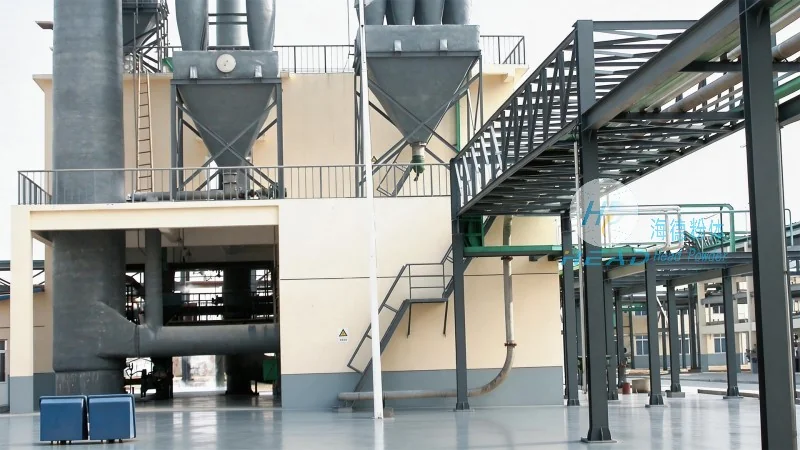
When selecting a transport method for LFP materials, several factors need to be considered, including the volume of material, destination, and specific application requirements. Bulk handling and conveying systems are cost-effective for large-scale domestic operations, while bagging and packaging are suitable for bulk sales to various clients. Containerized transport is essential for international trade, enabling global distribution. Specialized handling methods are critical for high-purity applications, ensuring that the material’s quality is maintained throughout the transport process. Each method has its advantages and limitations, and the choice depends on the specific needs of the client and the nature of the LFP product.
Conclusion
Phosphate iron lithium transport methods vary based on the scale of operation, destination, and application requirements. Shandong HeadPowder Engineering Co., Ltd. offers comprehensive solutions for the transport and supply of LFP materials, leveraging advanced technologies and expertise to ensure product quality and reliability. Whether through bulk handling, bagging, containerized transport, or specialized handling, HeadPowder’s approach prioritizes efficiency, safety, and customer satisfaction. By understanding the different transport methods and their applications, clients can make informed decisions to meet their LFP material needs effectively.

 Công ty TNHH Kỹ thuật Công trình Bột Hải Đức Sơn Đông
 156-6277-7102(Quản lý Trương)
  0531-83386006
  Quận Chương Khâu, Thành phố Tế Nam, Tỉnh Sơn Đông, Trung Quốc
Điện thoại
WeChatTư vấn
Lên đầu