Công ty Hải Đức Bột với hơn 10 năm kinh nghiệm vận chuyển khí, cung cấp hệ thống‑thiết bị‑quạt gió và nhận dự án tổng thầu bột cả nước
When it comes to the efficient and reliable transport of dry powder mortar, the choice of method is critical for construction projects. Shandong HeadPowder Engineering Co., Ltd., a leading provider of dry-mix mortar solutions, offers expertise in selecting the most suitable transport systems for various applications. This article provides a detailed comparison of common dry powder mortar transport methods, focusing on their operational principles, benefits, and practical considerations to help professionals make informed decisions.
Introduction to Dry Powder Mortar Transport
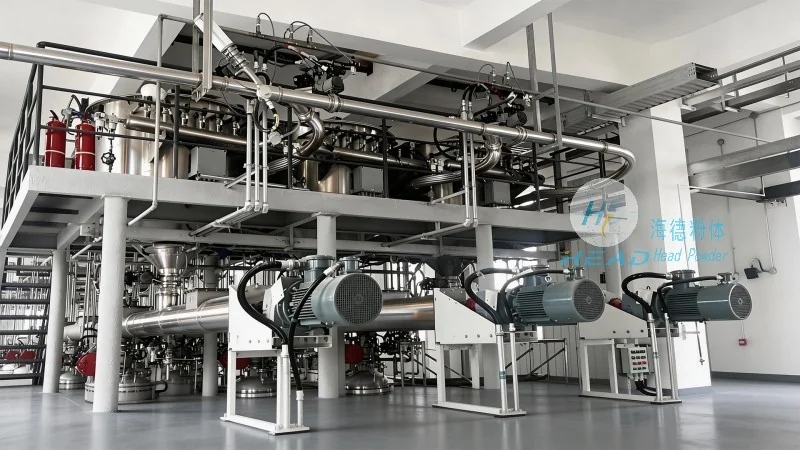
Dry powder mortar, also known as dry-mix mortar, is a pre-blended mixture of cement, sand, and additives that is typically stored in bulk and mixed with water on-site. The transport of these materials requires specialized equipment to maintain the integrity of the mixture and prevent issues like segregation or caking. The selection of a transport method depends on factors such as project scale, distance, material properties, and site conditions. Understanding the different options available helps construction teams optimize their workflow and ensure the quality of the final product.
Pneumatic Conveying Systems
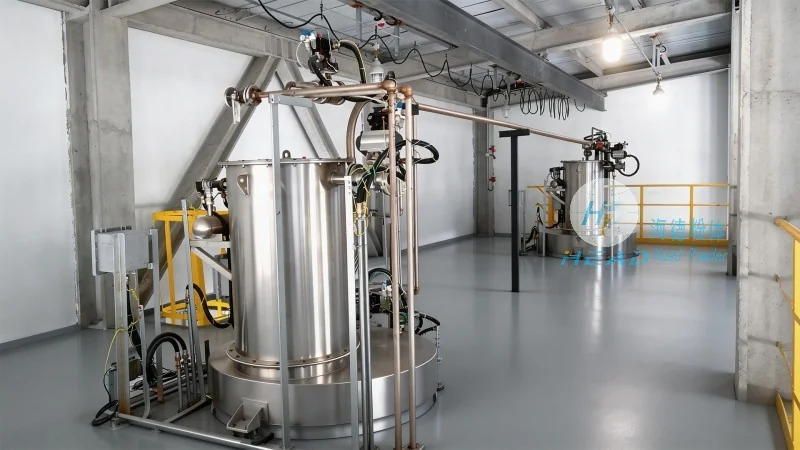
Pneumatic conveying, or air-powered transport, is a widely adopted method for moving dry powder mortar. This system uses compressed air to create a flow of material through a network of pipes. The dry powder is introduced at the source, and the air pressure propels it to the destination. There are two main types: pressure and vacuum systems. Pressure systems are preferred for long-distance and high-volume transport due to their efficiency and ability to handle larger quantities with less energy. Vacuum systems are more suitable for shorter distances and smaller volumes. The primary advantage of pneumatic conveying is its ability to transport materials over considerable distances without mechanical components at the material point, making it ideal for remote or elevated locations. However, it requires a robust air compressor and regular maintenance to prevent clogging and ensure consistent performance. The system must be designed to handle abrasive and high-viscosity materials to avoid wear and tear.
Positive Displacement Pumps
Positive displacement pumps are another common method for transporting dry powder mortar, especially for applications requiring high pressure and precise control. These pumps trap a fixed volume of material and force it through the discharge line. Types include rotary lobe, screw, and diaphragm pumps, with rotary lobe pumps being particularly effective for dry powder mortar due to their ability to handle abrasive and high-viscosity materials without excessive wear. The pump's design ensures that the material is mixed with a small amount of water or lubricant to prevent blockages, maintaining the consistency of the mortar. Positive displacement pumps offer high efficiency, consistent flow rates, and the ability to handle materials with varying particle sizes. They are ideal for vertical applications or when delivering thick mixes to specific points. However, these pumps require regular maintenance to keep components in good condition and may need cleaning to prevent residue buildup.
Truck-Mounted Mortar Mixers
Truck-mounted mortar mixers, or ready-mix mortar trucks, are a popular choice for on-site transport and mixing of dry powder mortar. These vehicles are equipped with large mixing drums that blend dry components with water on-site, producing finished mortar directly at the job site. The mixing drum is typically a horizontal or vertical agitator that continuously mixes the material to maintain homogeneity. The truck can then transport the mixed mortar to the construction site, where it is pumped or poured into place. This method is advantageous for smaller to medium-sized projects or those requiring fresh mortar immediately, as it eliminates the need for separate storage and mixing facilities. Truck-mounted mixers can handle a wide range of mortar types and adjust consistency as needed. However, they have limitations in terms of distance and capacity, as the mixing drum has a finite volume and the truck's range is restricted by fuel and time constraints. Skilled operators are needed to ensure proper mixing and prevent segregation during transport.
Comparison of Transport Methods
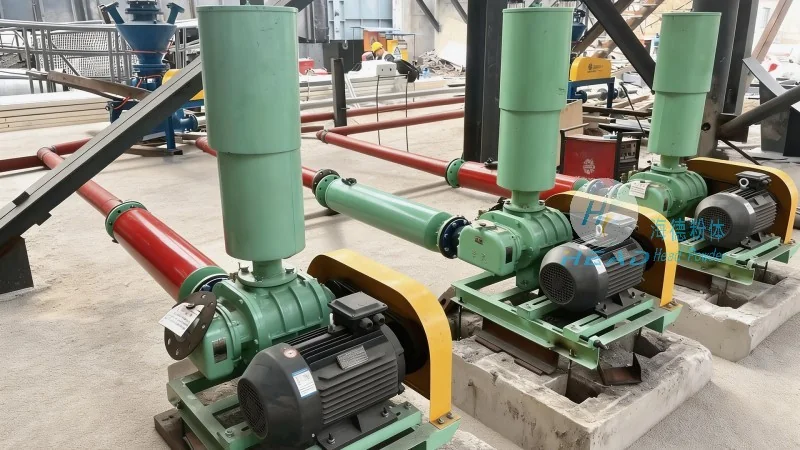
When comparing the different dry powder mortar transport methods, several factors must be considered. Pneumatic conveying is best for long-distance and large-scale projects, offering flexibility in material delivery. Positive displacement pumps are ideal for high-pressure and precise applications, providing consistent flow and control. Truck-mounted mixers are practical for on-site mixing and quick delivery, suitable for smaller projects or sites with limited access to specialized equipment. The choice should align with project-specific requirements, including distance, material properties, and operational constraints. For example, a large-scale construction project with multiple remote locations may benefit from pneumatic conveying, while a vertical building project requiring high-pressure delivery might use positive displacement pumps. Truck-mounted mixers are more suitable for smaller projects or those needing fresh mortar immediately.
Conclusion
In conclusion, selecting the right dry powder mortar transport method is essential for ensuring project success and maintaining quality standards. Each method has its strengths and limitations, and understanding these differences helps construction teams choose the most appropriate solution. Pneumatic conveying offers long-distance transport capabilities, positive displacement pumps provide high-pressure and precise control, and truck-mounted mixers facilitate on-site mixing and quick delivery. By evaluating project-specific factors such as distance, material properties, and operational needs, construction professionals can select the transport method that best meets their requirements. This ensures the efficient and reliable delivery of dry powder mortar, contributing to the overall success of the project. Shandong HeadPowder Engineering Co., Ltd. remains committed to providing innovative solutions and expert guidance to help clients optimize their dry powder mortar transport processes.

 Công ty TNHH Kỹ thuật Công trình Bột Hải Đức Sơn Đông
 156-6277-7102(Quản lý Trương)
  0531-83386006
  Quận Chương Khâu, Thành phố Tế Nam, Tỉnh Sơn Đông, Trung Quốc
Điện thoại
WeChatTư vấn
Lên đầu