Công ty Hải Đức Bột với hơn 10 năm kinh nghiệm vận chuyển khí, cung cấp hệ thống‑thiết bị‑quạt gió và nhận dự án tổng thầu bột cả nước
When it comes to the efficient handling and transportation of cathode materials in battery manufacturing, selecting the right conveying method is crucial. Various techniques are employed across the industry, each with its own advantages and limitations. This article provides a detailed comparison of common cathode material conveying methods, focusing on their operational principles, benefits, and practical applications. The information is presented by Shandong HeadPowder Engineering Co., Ltd., a leading provider of material handling solutions based in China.
Understanding Cathode Material Conveying
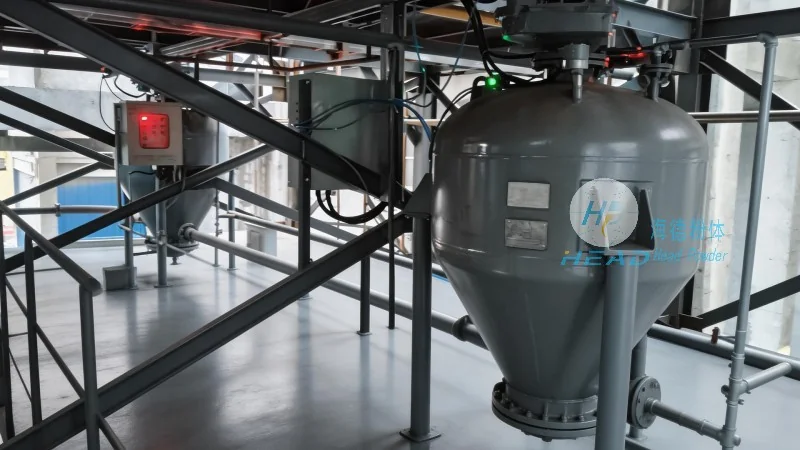
Cathode materials, such as lithium cobalt oxide (LiCoO₂), lithium nickel manganese cobalt oxide (NMC), and lithium iron phosphate (LFP), are critical components in lithium-ion batteries. Their handling requires precision and efficiency to ensure quality and productivity. Conveying methods must be able to transport these materials safely, minimize contamination, and maintain consistent flow rates. The choice of method depends on factors like material properties, production scale, and environmental considerations.
Gravity Conveying Systems
Gravity conveying systems utilize the force of gravity to move materials from one point to another. These systems typically consist of inclined chutes or troughs that allow materials to flow downward under their own weight. This method is simple, low-cost, and requires minimal energy input. It is ideal for materials with a relatively high bulk density and free-flowing characteristics. However, gravity conveying has limitations, particularly when dealing with fine powders or materials that tend to stick together. The system's efficiency can be affected by the angle of the chute and the material's angle of repose.
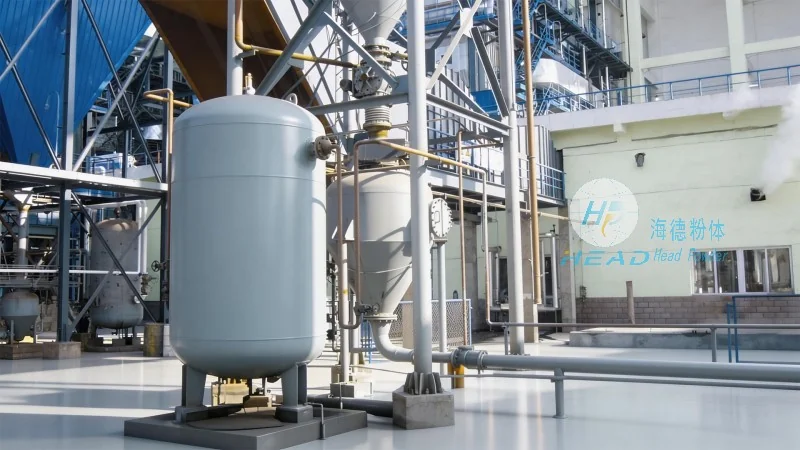
Air-Pressure Conveying (Pneumatic Conveying)
Air-pressure conveying, or pneumatic conveying, uses compressed air to transport materials through a pipeline. This method is highly versatile and can handle a wide range of materials, including fine powders and granules. There are two main types: pressure and vacuum systems. Pressure systems push material through the pipeline using positive pressure, while vacuum systems draw material using negative pressure. Pneumatic conveying offers advantages such as enclosed transport, which reduces dust emissions and contamination. It also allows for long-distance transport and can be integrated with other processing equipment. However, it requires significant energy for air compression and may not be suitable for very abrasive or sticky materials.
Mechanical Conveying Methods
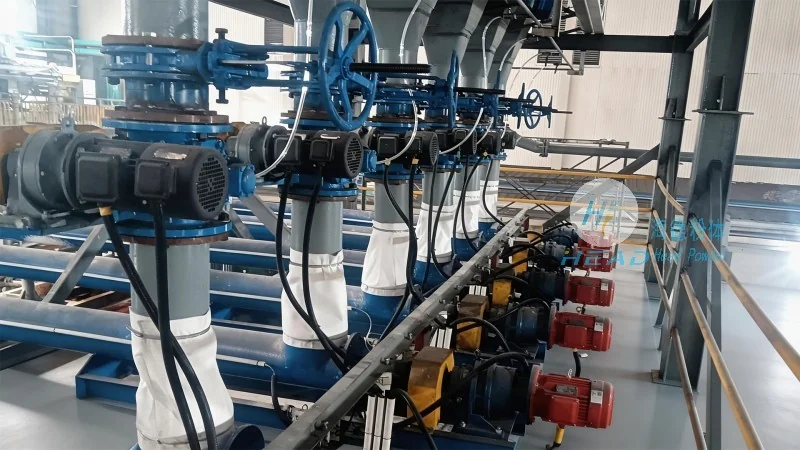
Mechanical conveying systems rely on mechanical components to move materials. Common types include screw conveyors, belt conveyors, and bucket elevators. Screw conveyors use a rotating screw to push material forward, making them suitable for handling bulk materials in a confined space. Belt conveyors use a continuous belt to transport materials over a series of rollers, ideal for transporting larger particles or bulkier materials. Bucket elevators lift materials vertically using buckets attached to a chain or belt. Mechanical conveyors are generally robust and reliable, with low maintenance requirements. They can handle a wide range of material types and are suitable for high-volume production. However, they may generate more dust and require regular cleaning to prevent material buildup.
Comparative Analysis of Conveying Methods
When comparing gravity, pneumatic, and mechanical conveying systems, several factors must be considered. Gravity systems are cost-effective for simple applications but have limited flexibility. Pneumatic systems offer enclosed transport and versatility but require more energy. Mechanical systems provide robustness and reliability but may produce more dust. The choice of method should align with the specific characteristics of the cathode material, the scale of production, and the operational environment. For example, fine powders like LiCoO₂ may benefit from pneumatic conveying to minimize dust, while bulkier materials might be better suited for mechanical conveyors.
Conclusion
Efficient cathode material conveying is essential for maintaining productivity and quality in battery manufacturing. Shandong HeadPowder Engineering Co., Ltd. specializes in providing tailored material handling solutions that address the unique needs of cathode material processing. By understanding the strengths and limitations of different conveying methods, manufacturers can select the most appropriate system for their operations. Whether using gravity, pneumatic, or mechanical systems, the goal is to ensure safe, reliable, and efficient transport of cathode materials throughout the production process.

 Công ty TNHH Kỹ thuật Công trình Bột Hải Đức Sơn Đông
 156-6277-7102(Quản lý Trương)
  0531-83386006
  Quận Chương Khâu, Thành phố Tế Nam, Tỉnh Sơn Đông, Trung Quốc
Điện thoại
WeChatTư vấn
Lên đầu