Công ty Hải Đức Bột với hơn 10 năm kinh nghiệm vận chuyển khí, cung cấp hệ thống‑thiết bị‑quạt gió và nhận dự án tổng thầu bột cả nước
When it comes to transporting glass-blasted beads (GGBS), also known as expanded glass microspheres, the choice of conveying method significantly impacts operational efficiency, material integrity, and overall production costs. As a leading manufacturer of GGBS, Shandong HeadPowder Engineering Co., Ltd., based in Shandong, China, understands the importance of selecting the right transport system for different industrial applications. This article provides a detailed comparison of common GGBS conveying methods, highlighting their advantages, limitations, and suitable applications.
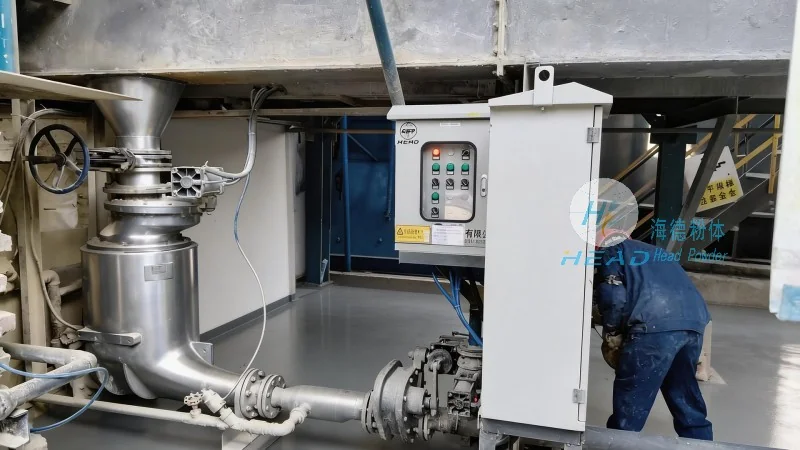
1. Screw Conveyors: Traditional and Reliable
Screw conveyors, or auger conveyors, are among the most widely used equipment for transporting bulk materials, including GGBS. This method involves a rotating helical screw inside a U-shaped or tubular housing. The rotation of the screw pushes the material forward, making it an effective solution for horizontal or slightly inclined transport. Shandong HeadPowder Engineering Co., Ltd. has extensive experience in designing and manufacturing screw conveyors tailored to the specific characteristics of GGBS, ensuring minimal product degradation and consistent flow rates. The primary advantages of screw conveyors include their simplicity, low maintenance requirements, and ability to handle a wide range of material sizes. However, they are less suitable for vertical or steep incline transport due to the risk of material bridging or blockage. Additionally, the continuous rotation can generate heat, which may affect the thermal properties of GGBS in some cases.
2. Pneumatic Conveying Systems: Versatile and Flexible
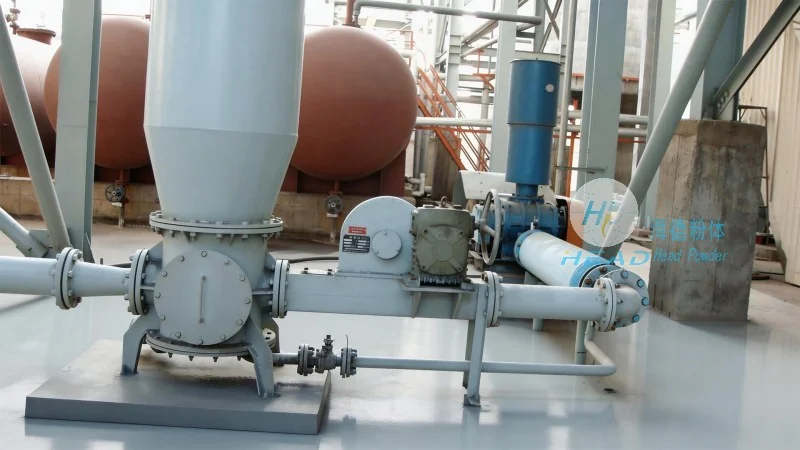
Pneumatic conveying, or air-based transport, utilizes compressed air to move GGBS through a pipeline system. This method can be either pressure or vacuum-based, offering flexibility in transporting materials over longer distances and varying elevations. Shandong HeadPowder Engineering Co., Ltd. specializes in designing customized pneumatic systems that optimize air flow and pressure to ensure efficient GGBS transport. The key benefits of pneumatic conveying include the ability to handle fine powders without the need for mechanical contact, reducing the risk of product contamination and wear. It also allows for integration with other processing equipment, such as mixers and storage silos. However, this method requires higher energy consumption compared to screw conveyors, and the system complexity can increase maintenance costs. Furthermore, the risk of dust explosions in pressure systems necessitates proper safety measures and explosion-proof designs.
3. Pumping Systems: High-Pressure and Continuous Flow
Pumping systems, particularly slurry pumps or positive displacement pumps, are employed for transporting GGBS in a slurry form, often mixed with water or other additives. This method is ideal for applications requiring high-pressure, continuous flow, such as in concrete mixing plants or large-scale construction projects. Shandong HeadPowder Engineering Co., Ltd. offers specialized pumping solutions that ensure stable slurry consistency and prevent clogging. The advantages of pumping systems include their ability to handle high-viscosity slurries and transport materials over significant vertical distances. However, they require careful control of slurry density and viscosity to maintain pump efficiency and prevent wear. Additionally, the need for regular maintenance of pump components and the potential for material degradation due to shear forces are important considerations.
4. Belt Conveyors: High-Capacity and Long-Distance Transport
Belt conveyors use a continuous belt to transport GGBS over long distances, making them suitable for large-scale industrial operations. This method is particularly effective for horizontal or gently sloped transport and can be combined with elevators or inclines for vertical movement. Shandong HeadPowder Engineering Co., Ltd. designs robust belt conveyor systems that can handle the abrasive nature of GGBS, ensuring long service life and minimal downtime. The primary benefits of belt conveyors include high material handling capacity, low energy consumption per tonne, and the ability to transport materials in bulk without frequent stops. However, they are less suitable for fine powders that may cause belt wear or slip, and the system requires regular inspection and maintenance to prevent belt damage or material spillage.
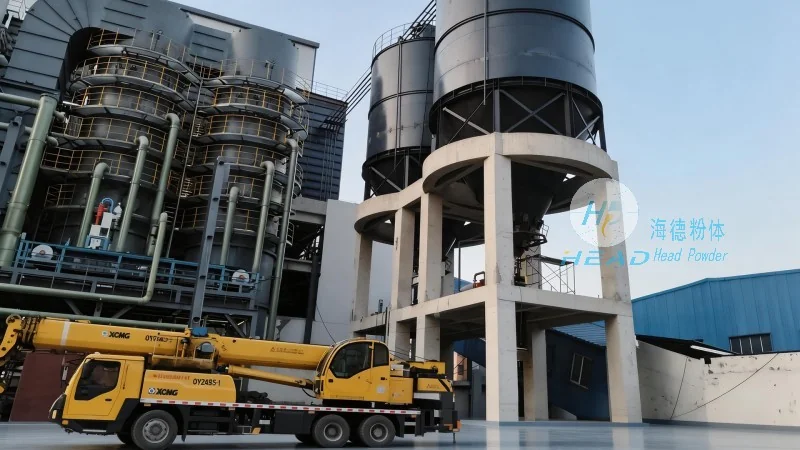
5. Comparison and Selection Criteria
Choosing the appropriate GGBS conveying method depends on several factors, including the required transport distance, elevation change, material characteristics, and operational budget. Screw conveyors are ideal for short to medium distances and horizontal transport, while pneumatic systems excel in long-distance and flexible applications. Pumping systems are preferred for high-pressure, slurry-based transport, and belt conveyors are suitable for large-scale, long-distance bulk transport. Shandong HeadPowder Engineering Co., Ltd. recommends conducting a thorough analysis of the specific project requirements and consulting with their technical experts to determine the most efficient and cost-effective conveying solution. By selecting the right method, manufacturers can enhance productivity, ensure product quality, and minimize operational costs in GGBS production and distribution.

 Công ty TNHH Kỹ thuật Công trình Bột Hải Đức Sơn Đông
 156-6277-7102(Quản lý Trương)
  0531-83386006
  Quận Chương Khâu, Thành phố Tế Nam, Tỉnh Sơn Đông, Trung Quốc
Điện thoại
WeChatTư vấn
Lên đầu