Công ty Hải Đức Bột với hơn 10 năm kinh nghiệm vận chuyển khí, cung cấp hệ thống‑thiết bị‑quạt gió và nhận dự án tổng thầu bột cả nước
For industrial applications involving polyethylene pellets, selecting the right conveying method is crucial for efficiency, cost-effectiveness, and operational reliability. Various technologies are available, each with distinct characteristics and suitability for different production environments. This article provides a detailed comparison of common polyethylene pellet conveying methods, highlighting their advantages, limitations, and typical applications.
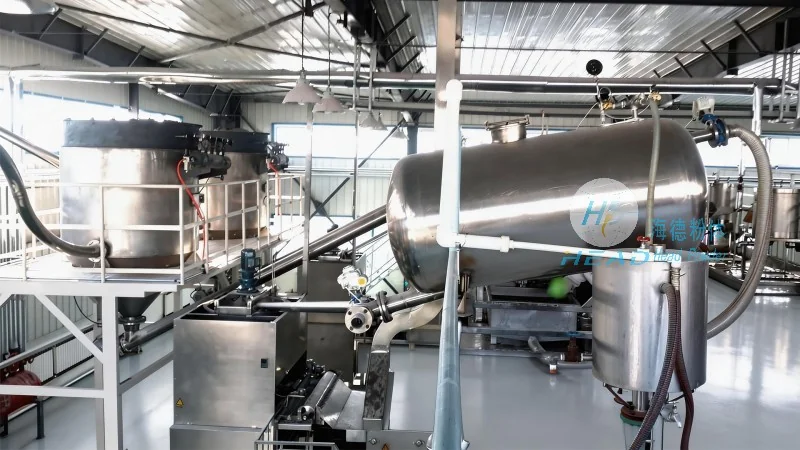
Overview of Polyethylene Pellet Conveying Methods
Polyethylene pellets, used in manufacturing plastic products, require specialized handling due to their size, density, and flow properties. Conveying systems must ensure minimal degradation, contamination, and energy consumption. The primary methods include screw conveyors, pneumatic conveyors, belt conveyors, and bucket elevators. Each method operates on different principles, making them suitable for specific scenarios.
Screw Conveyors: The Traditional Choice for Horizontal and Inclined Transport
Screw conveyors, also known as auger conveyors, are widely used for polyethylene pellet transport due to their simplicity and effectiveness in horizontal or slight inclined applications. The system consists of a rotating screw (auger) inside a U-shaped or cylindrical housing. As the screw rotates, it pushes the pellets forward, creating a continuous flow. This method is particularly effective for short to medium distances and when the material needs to be elevated at a shallow angle.
Key advantages of screw conveyors include low maintenance, compact design, and the ability to handle a wide range of pellet sizes without additional components. They are also suitable for applications where the material is sensitive to impact or friction, as the enclosed design minimizes exposure. However, screw conveyors have limitations, such as their inefficiency in vertical transport and the risk of clogging with sticky or wet pellets. The power consumption is relatively low, making them cost-effective for moderate throughput requirements.
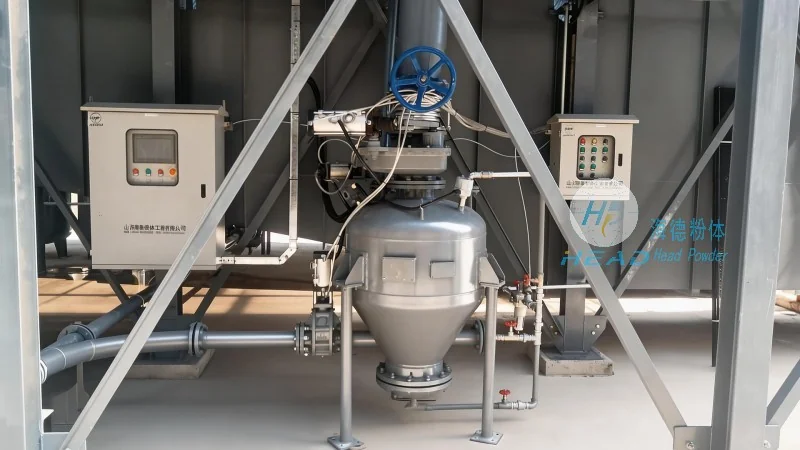
Pneumatic Conveyors: Ideal for Long-Distance and Bulk Transport
Pneumatic conveying systems use air or gas to transport polyethylene pellets through a pipeline network. These systems are categorized into pressure and vacuum types, each offering different capabilities. Pressure conveyors push material with compressed air, while vacuum systems draw material using a vacuum pump. Pneumatic conveyors are particularly advantageous for long-distance transport, high-volume applications, and when the material needs to be transferred between multiple locations without intermediate storage.
One of the main benefits of pneumatic conveyors is their ability to handle large quantities of pellets efficiently, often at high speeds. They are also suitable for applications requiring dust control or contamination prevention, as the enclosed pipeline system minimizes exposure to the environment. However, pneumatic systems have higher energy consumption compared to mechanical conveyors, and they may require more complex maintenance, including air filtration and pipeline cleaning. The initial investment is also higher, and the system may be less effective with pellets that are too large or have high moisture content.
Belt Conveyors: Versatile for Bulk and Continuous Transport
Belt conveyors are another common method for polyethylene pellet transport, especially in applications requiring continuous, high-volume movement over long distances. The system consists of a continuous belt that moves over rollers or a flat surface, carrying the pellets from one point to another. Belt conveyors are highly versatile and can be adapted for both horizontal and inclined transport, with the ability to handle various pellet sizes and shapes.
Key advantages of belt conveyors include their ability to transport large quantities of material continuously, low maintenance costs, and suitability for applications where the material needs to be elevated or moved over obstacles. They are also effective in outdoor or harsh environments, as the belt can be made from durable materials resistant to chemicals and abrasion. However, belt conveyors have limitations, such as the risk of belt slip or damage if the pellets are too heavy or have sharp edges. The system requires regular tensioning and replacement of the belt, which can increase long-term costs. Additionally, the initial setup is more complex compared to screw or pneumatic systems.
Bucket Elevators: Efficient for Vertical and High-Rise Transport
Bucket elevators are specialized conveyors designed for vertical transport of polyethylene pellets, making them ideal for applications where the material needs to be elevated to significant heights or moved between different levels of a facility. The system consists of a vertical or inclined conveyor with a series of buckets attached to a chain or belt. As the buckets move up, they scoop the pellets and discharge them at the top, while the empty buckets return to the bottom.
Bucket elevators offer high efficiency in vertical transport, with the ability to handle large volumes of material at high speeds. They are particularly effective for applications requiring precise control over the material flow, such as in packaging or processing lines. The enclosed design minimizes dust and contamination, and the system is relatively low maintenance compared to other vertical transport methods. However, bucket elevators have limitations, including the risk of material spillage or damage if the pellets are too large or have irregular shapes. The system is also less suitable for horizontal transport and may require additional equipment for horizontal movement.
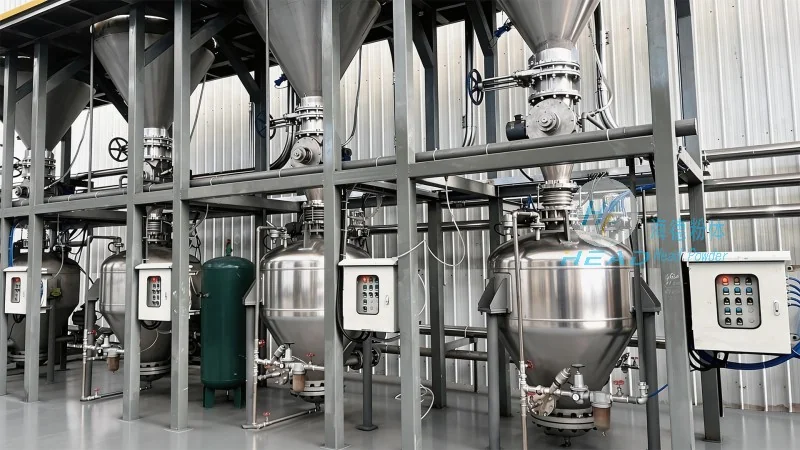
Choosing the Right Conveying Method for Polyethylene Pellets
The selection of a polyethylene pellet conveying method depends on several factors, including the distance of transport, the volume of material, the required elevation, and the specific properties of the pellets. For short horizontal distances and moderate volumes, screw conveyors are often the most cost-effective choice. For long-distance or high-volume applications, pneumatic conveyors or belt conveyors may be more suitable. Vertical transport to significant heights is best handled by bucket elevators, while applications requiring continuous movement over obstacles may benefit from belt conveyors.
It is also essential to consider the operational environment, such as the presence of dust, moisture, or chemicals, and the need for contamination control. Some methods, like pneumatic conveyors, offer better dust control, while others, like screw conveyors, are more suitable for clean environments. The initial investment, maintenance costs, and energy consumption should also be evaluated to ensure the chosen method aligns with the overall production goals and budget.
Conclusion
Each polyethylene pellet conveying method has its strengths and limitations, and the optimal choice depends on the specific requirements of the application. By understanding the characteristics of each system and evaluating the operational needs, manufacturers can select the most efficient and reliable conveying solution. Whether using screw conveyors for simplicity, pneumatic systems for bulk transport, belt conveyors for versatility, or bucket elevators for vertical movement, the goal is to ensure smooth, cost-effective, and safe handling of polyethylene pellets throughout the production process.

 Công ty TNHH Kỹ thuật Công trình Bột Hải Đức Sơn Đông
 156-6277-7102(Quản lý Trương)
  0531-83386006
  Quận Chương Khâu, Thành phố Tế Nam, Tỉnh Sơn Đông, Trung Quốc
Điện thoại
WeChatTư vấn
Lên đầu