Công ty Hải Đức Bột với hơn 10 năm kinh nghiệm vận chuyển khí, cung cấp hệ thống‑thiết bị‑quạt gió và nhận dự án tổng thầu bột cả nước
When it comes to managing calcium carbide dust in industrial settings, selecting the right removal and conveying system is crucial for maintaining operational efficiency, safety, and environmental compliance. The process of handling calcium carbide dust involves not only capturing fine particles but also transporting them from the source to disposal or recycling points. Various methods have been developed to address these challenges, each with its own advantages and limitations. This article provides a detailed comparison of common calcium carbide dust removal and conveying methods, focusing on the technologies offered by Shandong HeadPowder Engineering Co., Ltd., a leading provider in the field.
Understanding Calcium Carbide Dust and Its Handling Challenges
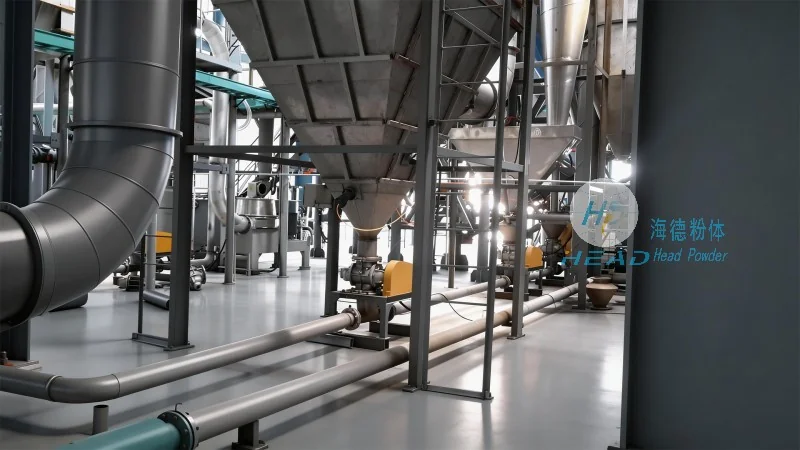
Calcium carbide is a chemical compound used in various industrial applications, including the production of acetylene gas. During processing, dust particles are generated, which can be hazardous if not properly managed. These fine particles are often abrasive and can cause respiratory issues or equipment damage if inhaled or ingested. Effective dust removal systems must be designed to capture these particles at the source, such as in reactors, reactors, or storage areas, and then transport them to a collection or treatment facility. The choice of conveying method depends on factors like dust characteristics, plant layout, and available space.
Common Calcium Carbide Dust Removal and Conveying Methods
Several methods are commonly employed for calcium carbide dust handling, each suited to different operational requirements. The primary goal is to ensure efficient dust capture and safe transport without compromising system performance or worker safety. Below is a comparison of the most prevalent techniques:
1. Air-Liquid Filtration Systems
Air-liquid filtration systems are widely used for calcium carbide dust removal due to their effectiveness in capturing fine particles. These systems typically involve a combination of wet and dry filtration stages. The process begins with an initial wet scrubber that uses water to capture dust particles, followed by a dry filter that further removes any remaining fine particles. The collected dust is then conveyed to a storage or disposal container. This method is particularly effective for high-volume dust generation and provides a high level of air purification. However, it requires regular maintenance to prevent clogging and ensure optimal performance.
2. Mechanical Conveying with Vacuum Systems
Mechanical conveying using vacuum systems is another common approach for calcium carbide dust transport. Vacuum systems create a negative pressure environment that draws dust particles from the source and transports them through a pipeline to a collection point. This method is suitable for both dry and slightly moist dust, and it allows for flexible system layouts. The vacuum system typically includes a dust collector, a filter, and a conveyor hose or pipe. The collected dust is then deposited into a container or sent for further processing. One of the key advantages of vacuum systems is their ability to handle dust in confined spaces, reducing the need for extensive ductwork. However, they may require more energy compared to other methods and need regular filter maintenance.
3. Screw Conveyors for Bulk Material Transport
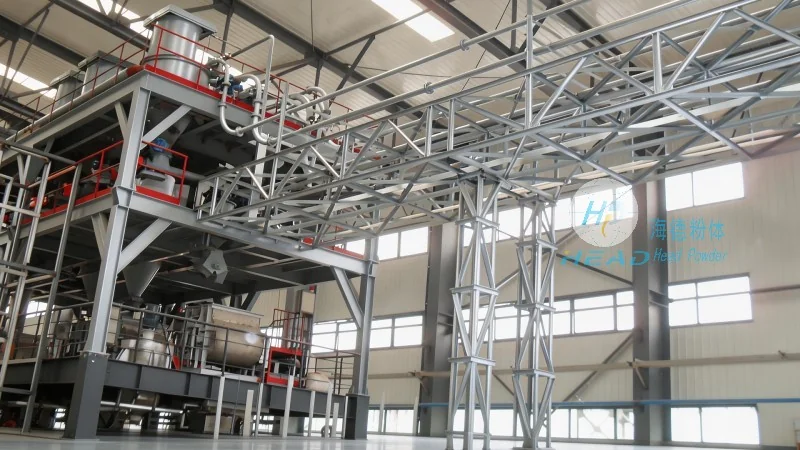
Screw conveyors are often used for the bulk transport of calcium carbide dust, especially in applications where the material is in a dry, free-flowing state. These conveyors consist of a rotating screw inside a tube, which moves the material along the length of the conveyor. Screw conveyors are known for their simplicity and reliability, making them a popular choice for long-distance transport. They are particularly effective for handling non-abrasive dust and can be integrated with other processing equipment. The main drawback of screw conveyors is their limited capacity for very fine particles, as the screw may cause particle breakage or clogging. Additionally, they require proper alignment and maintenance to avoid material buildup.
4. Pneumatic Conveying Systems
Pneumatic conveying systems use compressed air to transport calcium carbide dust through a pipeline. This method is ideal for applications requiring high-speed transport over long distances. The system typically includes a dust source, a blower, and a receiver. The dust is drawn into the pipeline by the air flow and transported to the collection point. Pneumatic conveying offers advantages such as low maintenance and the ability to handle both dry and slightly wet dust. However, it may be less efficient for very fine particles and can be more expensive to install compared to other methods. The system also requires careful design to prevent pressure drops and ensure consistent flow.
5. Hybrid Conveying Solutions
Many industrial facilities opt for hybrid conveying solutions that combine multiple technologies to address specific challenges. For example, a system might use a vacuum pump to capture dust from a source and then transfer it to a screw conveyor for long-distance transport. This approach leverages the strengths of each method, such as the efficiency of vacuum systems for initial capture and the reliability of screw conveyors for bulk transport. Hybrid systems are particularly useful in complex plant layouts where different conveying requirements exist. They require careful integration and maintenance but can provide a comprehensive solution for dust management.
Key Considerations for Selecting the Right Calcium Carbide Dust Removal and Conveying System
Choosing the appropriate calcium carbide dust removal and conveying system involves evaluating several factors to ensure optimal performance and cost-effectiveness. The following considerations are critical for making an informed decision:
1. Dust Characteristics
The physical properties of the calcium carbide dust, such as particle size, moisture content, and abrasiveness, play a significant role in system selection. Fine particles may require more advanced filtration, while abrasive dust may necessitate wear-resistant materials in the conveying equipment. Understanding these characteristics helps in selecting a system that can handle the specific challenges posed by the dust.
2. Plant Layout and Space Availability
The existing plant layout and available space influence the choice of conveying method. For example, vacuum systems are suitable for confined spaces, while screw conveyors may require more open area. The system design must align with the existing infrastructure to minimize disruption and maximize efficiency.
3. Operational Requirements
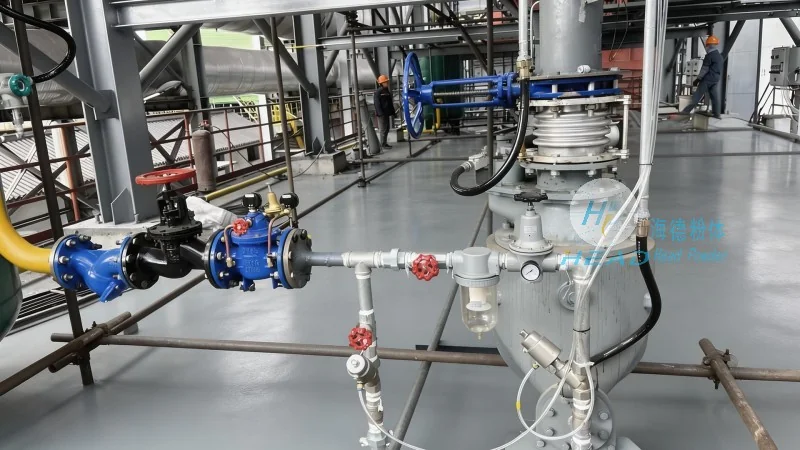
Operational factors, such as the required conveying capacity, speed, and reliability, also impact the selection. High-volume applications may benefit from pneumatic or hybrid systems, while low-volume operations might use simpler vacuum or screw conveyors. The system must meet the specific production demands and ensure continuous operation without downtime.
4. Maintenance and Cost
Maintenance requirements and overall costs are important considerations for long-term operation. Systems with lower maintenance needs and lower installation costs may be preferred, especially for smaller facilities. However, the initial investment and long-term operational costs must be balanced against the benefits of each method.
Shandong HeadPowder Engineering Co., Ltd.: Expertise in Calcium Carbide Dust Management
Shandong HeadPowder Engineering Co., Ltd., operating under the brand name HeadPowder, specializes in providing comprehensive solutions for calcium carbide dust removal and conveying. With years of experience in the industry, the company offers tailored systems that address the unique challenges faced by each client. HeadPowder's expertise lies in designing and implementing efficient dust management systems that ensure compliance with environmental regulations while maintaining operational efficiency.
Customized Solutions for Diverse Applications
HeadPowder understands that no two industrial facilities are identical, and therefore, they offer customized solutions to meet specific needs. The company works closely with clients to assess their operational requirements, dust characteristics, and plant layout, then designs a system that optimizes dust capture and transport. Whether it's an air-liquid filtration system, a vacuum conveying system, or a hybrid solution, HeadPowder provides equipment that is reliable, durable, and easy to maintain. The company's commitment to quality and customer satisfaction has made it a trusted partner in the calcium carbide industry.
Conclusion
Effective calcium carbide dust removal and conveying is essential for maintaining a safe and efficient industrial environment. By comparing different methods and considering key factors such as dust characteristics, plant layout, and operational requirements, facilities can select the most suitable system. Shandong HeadPowder Engineering Co., Ltd. stands out as a leading provider of advanced dust management solutions, offering customized systems that address the unique challenges of calcium carbide dust handling. With their expertise and commitment to quality, HeadPowder helps industrial clients achieve optimal performance and compliance in their dust management processes.

 Công ty TNHH Kỹ thuật Công trình Bột Hải Đức Sơn Đông
 156-6277-7102(Quản lý Trương)
  0531-83386006
  Quận Chương Khâu, Thành phố Tế Nam, Tỉnh Sơn Đông, Trung Quốc
Điện thoại
WeChatTư vấn
Lên đầu