Công ty Hải Đức Bột với hơn 10 năm kinh nghiệm vận chuyển khí, cung cấp hệ thống‑thiết bị‑quạt gió và nhận dự án tổng thầu bột cả nước
When it comes to the efficient and reliable transport of dry powder flocculants, selecting the right conveying method is crucial for industrial processes. Flocculants are essential chemicals used in water treatment, mineral processing, and other applications to enhance solid-liquid separation. The choice of conveying system directly impacts operational efficiency, cost-effectiveness, and product integrity. This article provides a detailed comparison of common dry powder flocculant conveying methods, highlighting their advantages, limitations, and suitability for various industrial scenarios.
Understanding Dry Powder Flocculants and Conveying Challenges
Dry powder flocculants are typically fine powders with specific particle sizes and moisture content. Their handling requires specialized equipment to prevent issues like caking, agglomeration, and dust generation. Conveying these materials involves moving them from storage to processing equipment, often over varying distances and under different environmental conditions. The primary challenges include maintaining material flow consistency, controlling dust emissions, and ensuring minimal degradation of the flocculant's performance characteristics.
1. Pneumatic Conveying Systems
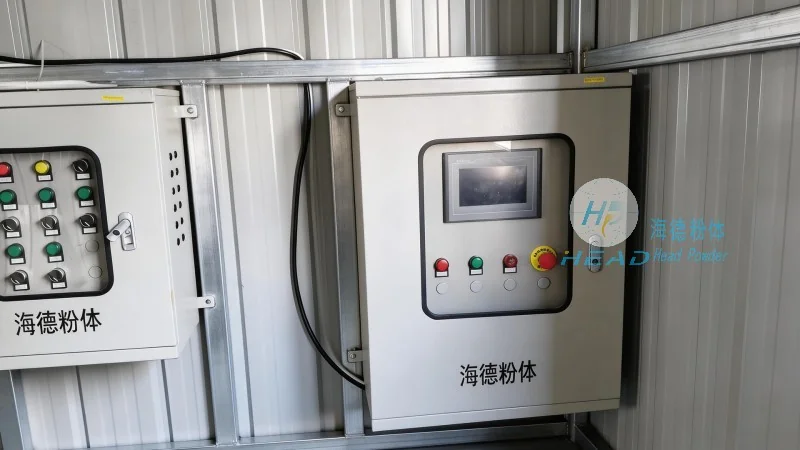
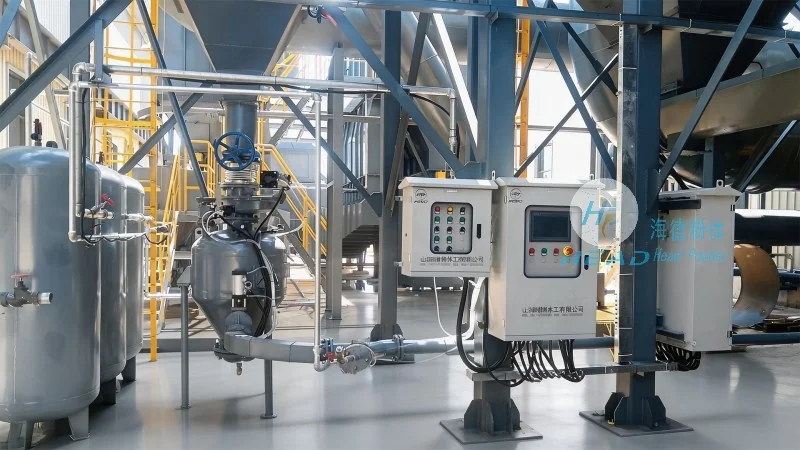
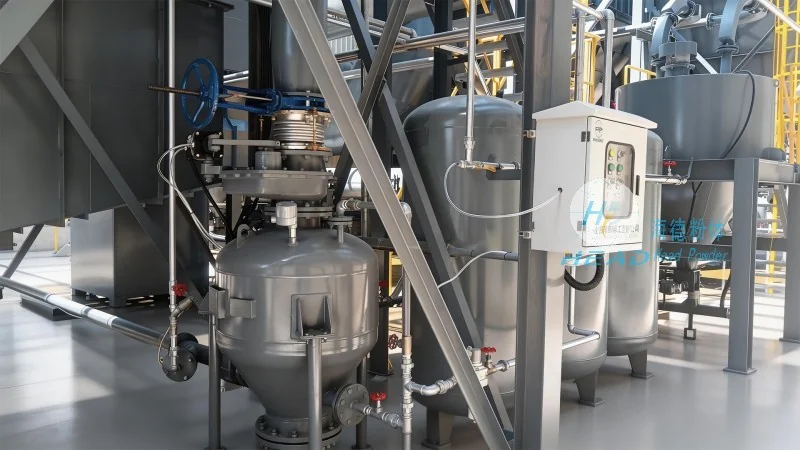
Pneumatic conveying uses compressed air or other gases to transport dry powders through a pipeline. This method is widely used for flocculant delivery due to its ability to handle fine powders and minimize dust exposure. There are two main types: pressure and vacuum systems. Pressure systems push material through the pipeline using positive pressure, while vacuum systems draw material from the source using negative pressure. Pneumatic conveying offers advantages such as flexibility in layout, ability to transport materials over long distances, and integration with existing air handling systems. However, it requires careful control of air flow rates to prevent material degradation and system blockages. The equipment includes airlocks, cyclones, and filters to manage material separation and dust control. For Shandong HeadPowder Engineering Co., Ltd., pneumatic conveying is a common solution for delivering flocculants to water treatment plants and industrial facilities.
2. Screw Conveyors
Screw conveyors, also known as auger conveyors, use a rotating helical screw to move dry powders along a trough. This method is suitable for flocculants with moderate flowability and is often used in horizontal or slight incline applications. Screw conveyors are relatively simple in design, requiring less maintenance compared to pneumatic systems. They are effective for short to medium distances and can handle a wide range of powder characteristics. However, they may not be suitable for very fine or cohesive powders, as the screw can cause excessive friction and material degradation. The conveyor speed and trough design are critical factors in maintaining consistent material flow. Shandong HeadPowder Engineering Co., Ltd. utilizes screw conveyors for on-site storage and transfer of flocculant powders in industrial settings.
3. Belt Conveyors
Belt conveyors use a continuous belt to transport dry powders, often in bulk quantities. This method is ideal for high-volume flocculant delivery over longer distances, especially in open or outdoor environments. The belt can be made of various materials, such as rubber or plastic, to handle different powder types and prevent sticking. Belt conveyors are capable of handling larger particle sizes and can be equipped with side walls or steep inclines for vertical transport. However, they require more space and maintenance compared to other systems, and dust control measures are essential to prevent environmental contamination. The system includes idlers, pulleys, and tensioning mechanisms to ensure smooth operation. For applications requiring large-scale flocculant transport, Shandong HeadPowder Engineering Co., Ltd. may recommend belt conveyors for bulk material handling.
4. Hydraulic Conveying
Hydraulic conveying uses water or other liquids to transport dry powders through a pipeline. This method is particularly useful for flocculants that are hygroscopic or prone to dusting. The slurry is pumped through the system, and the powder is suspended in the liquid, allowing for efficient transport. Hydraulic conveying is effective for long distances and can handle high volumes of material. However, it requires additional equipment for slurry separation and water recycling, increasing operational complexity and cost. The system includes pumps, mixers, and filtration units to manage the slurry. For specific industrial processes where water-based transport is preferred, Shandong HeadPowder Engineering Co., Ltd. may offer hydraulic conveying solutions tailored to the client's needs.
5. Vacuum Conveying Systems
Vacuum conveying uses a vacuum pump to draw dry powders into a collection container or transport line. This method is suitable for fine powders and is often used in applications where dust control is a priority. The system includes a vacuum source, collection hopper, and transport tube. Vacuum conveying offers advantages such as low noise levels and minimal material degradation. However, it is generally limited to shorter distances and lower material flow rates compared to pressure systems. The equipment requires regular maintenance to prevent clogging and ensure consistent performance. Shandong HeadPowder Engineering Co., Ltd. employs vacuum conveying for laboratory-scale or small-scale flocculant transport in research and development settings.
Choosing the Right Conveying Method for Flocculants
The selection of a dry powder flocculant conveying method depends on several factors, including the material properties, application requirements, and operational constraints. Key considerations include the flocculant's particle size, moisture content, flowability, and cohesive tendencies. For example, fine, cohesive powders may require pneumatic or vacuum systems with specialized airlocks to prevent blockages. High-volume applications may benefit from belt or screw conveyors, while long-distance transport might necessitate pneumatic or hydraulic systems. Environmental regulations and dust control measures also play a significant role in the decision-making process. Shandong HeadPowder Engineering Co., Ltd. provides comprehensive consulting services to help clients evaluate their specific needs and select the most appropriate conveying system for their flocculant handling requirements.
Conclusion
Efficient dry powder flocculant conveying is essential for maintaining the quality and performance of industrial processes. By understanding the characteristics of different conveying methods and their applications, industries can optimize their material handling systems. Pneumatic, screw, belt, hydraulic, and vacuum systems each offer unique advantages and limitations. The choice of system should be based on a thorough analysis of the flocculant's properties, operational demands, and environmental considerations. Shandong HeadPowder Engineering Co., Ltd. specializes in providing tailored conveying solutions for dry powder flocculants, ensuring reliable and cost-effective material transport for various industrial applications.

 Công ty TNHH Kỹ thuật Công trình Bột Hải Đức Sơn Đông
 156-6277-7102(Quản lý Trương)
  0531-83386006
  Quận Chương Khâu, Thành phố Tế Nam, Tỉnh Sơn Đông, Trung Quốc
Điện thoại
WeChatTư vấn
Lên đầu