Công ty Hải Đức Bột với hơn 10 năm kinh nghiệm vận chuyển khí, cung cấp hệ thống‑thiết bị‑quạt gió và nhận dự án tổng thầu bột cả nước
Coal powder, a vital raw material in power generation and industrial applications, demands efficient and reliable transportation systems to maintain operational efficiency and safety. The selection of a conveying method significantly impacts cost, performance, and environmental compliance. This article provides a comprehensive comparison of common coal powder conveying methods, detailing their advantages and disadvantages, to assist industries in making informed decisions.
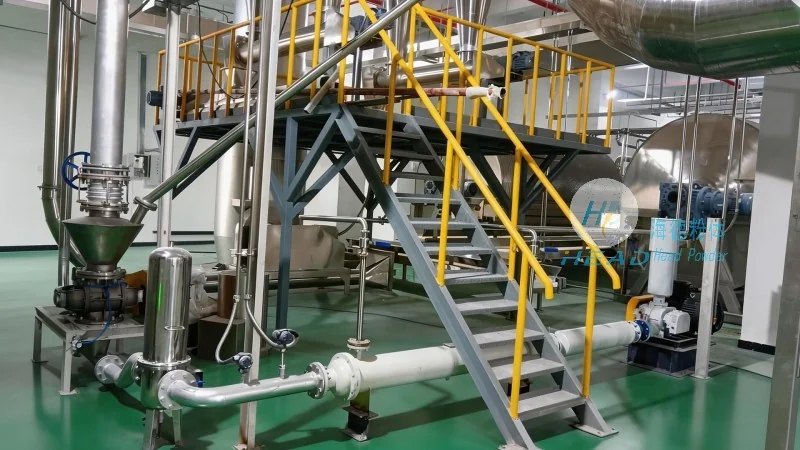
Introduction to Coal Powder Conveying Systems
Coal powder conveying involves transporting fine coal particles from storage to processing or combustion units. Several methods are widely adopted, categorized primarily as pneumatic, mechanical, or hybrid systems. The choice of system depends on factors such as material properties, distance, capacity, and operational requirements. Understanding the strengths and limitations of each method is crucial for optimizing industrial processes.
Pneumatic Conveying Systems: Advantages and Disadvantages
Pneumatic conveying utilizes air or other gases to transport coal powder through pipelines. This method offers high versatility, capable of handling diverse particle sizes and moisture levels. A key advantage is its ability to transport materials over long distances without intermediate transfer points, reducing system complexity. Additionally, pneumatic systems can integrate with dust collection and filtration equipment, enhancing safety and environmental performance. However, pneumatic systems require substantial energy input for air compression and may face challenges with air leakage, affecting efficiency. Regular maintenance of air compressors and pipeline components is necessary to prevent wear and operational issues.
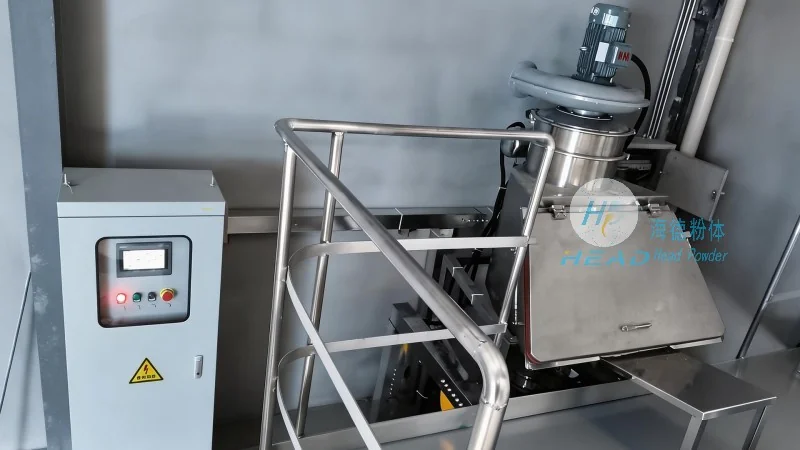
Mechanical Conveying Systems: Advantages and Disadvantages
Mechanical conveying systems, including belt conveyors, screw conveyors, and bucket elevators, rely on mechanical components to move coal powder. These systems are generally more economical for short to medium distances and moderate capacities. A primary advantage is their simplicity and low maintenance compared to pneumatic systems. Mechanical conveyors can handle larger particle sizes and are less prone to material degradation from air flow. Nevertheless, they have limitations in vertical lift capacity and are less suitable for long-distance transport. Dust generation and material spillage are additional concerns, requiring proper sealing and environmental controls.
Hybrid Conveying Systems: Combining Pneumatic and Mechanical Methods
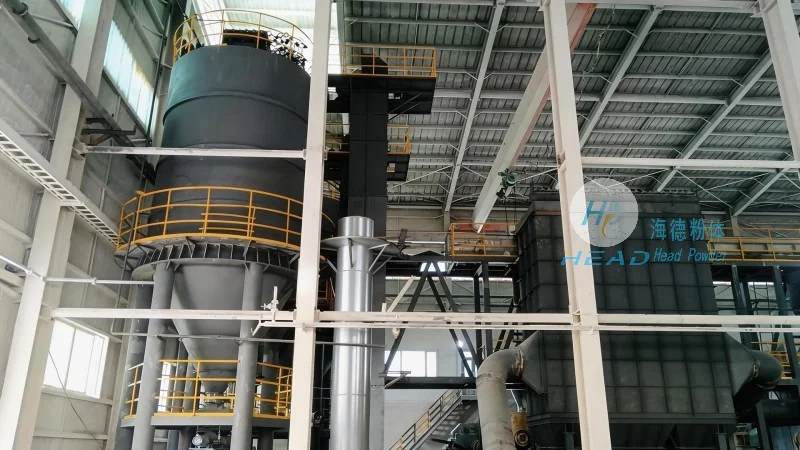
Hybrid systems integrate pneumatic and mechanical components to leverage the strengths of both approaches. For instance, a system might use a mechanical conveyor to transport coal powder to a pneumatic receiver, or vice versa. This flexibility allows handling of varying material conditions and distances. The hybrid method can improve overall efficiency by reducing energy consumption and maintenance costs. However, the complexity of hybrid systems increases, demanding careful design and integration to ensure smooth operation. Proper control systems and monitoring are essential to optimize performance and minimize downtime.
Key Factors Influencing Conveying Method Selection
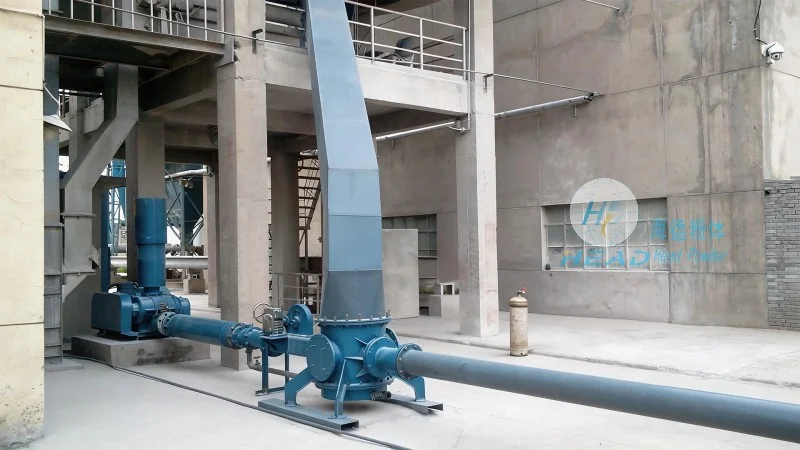
The selection of a coal powder conveying method is influenced by several critical factors. Material properties, such as particle size, density, and moisture content, play a pivotal role. For example, fine coal powders with high moisture content may necessitate pneumatic systems with enhanced filtration to prevent clogging. Distance and facility layout also impact the choice, as pneumatic systems excel in long-distance transport, while mechanical systems are better suited for shorter, horizontal or vertical movement. Capacity requirements, operational speed, and budget constraints are additional considerations. Industries must balance initial investment, operational costs, and long-term maintenance when choosing a conveying system.
Conclusion and Recommendations
Choosing the right coal powder conveying method is essential for optimizing industrial processes and ensuring safety. Pneumatic systems offer versatility and long-distance transport capabilities but require higher energy input and maintenance. Mechanical systems are cost-effective for shorter distances and simpler applications but have limitations in vertical transport and dust control. Hybrid systems provide flexibility but add complexity. Industries should conduct thorough assessments of their specific needs, including material characteristics, distance, and budget, to select the most appropriate conveying method. Consulting with experts, such as Shandong HeadPowder Engineering Co., Ltd., can provide valuable insights and tailored solutions to enhance operational efficiency and reduce costs.

 Công ty TNHH Kỹ thuật Công trình Bột Hải Đức Sơn Đông
 156-6277-7102(Quản lý Trương)
  0531-83386006
  Quận Chương Khâu, Thành phố Tế Nam, Tỉnh Sơn Đông, Trung Quốc
Điện thoại
WeChatTư vấn
Lên đầu