Công ty Hải Đức Bột với hơn 10 năm kinh nghiệm vận chuyển khí, cung cấp hệ thống‑thiết bị‑quạt gió và nhận dự án tổng thầu bột cả nước
Iron sand, a vital material in numerous industrial sectors including metallurgy, mining, and manufacturing, necessitates efficient and reliable conveying systems to ensure seamless production workflows. The selection of a conveying method profoundly impacts operational efficiency, cost structures, and maintenance demands. This article provides a detailed comparative analysis of common iron sand conveying methods, outlining their respective advantages and disadvantages to assist industrial operators in making well-informed decisions.
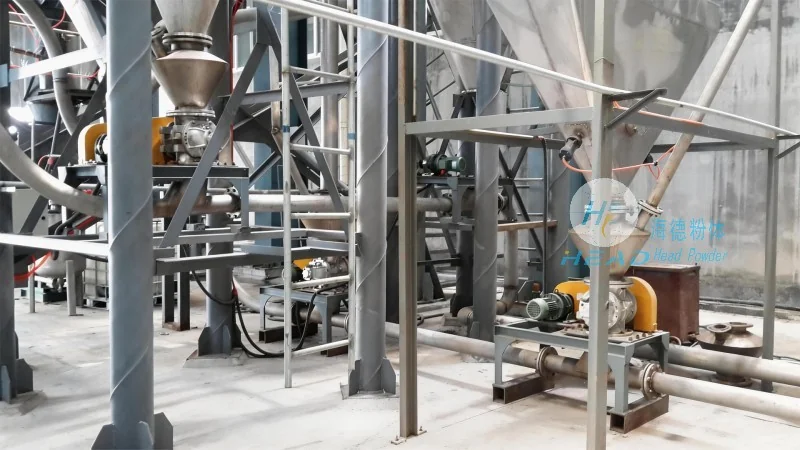
Overview of Iron Sand Conveying Methods
Iron sand, characterized by its abrasive nature and variable particle sizes, requires specialized handling solutions. Conveying systems must be robust enough to manage these challenges while preserving material integrity. The primary methods for iron sand transport include belt conveyors, screw conveyors, pneumatic conveyors, and hydraulic systems. Each method possesses distinct attributes that make it suitable for specific operational contexts.
Belt Conveyors: A Versatile Solution for Bulk Iron Sand Transport
Belt conveyors are among the most prevalent systems for transporting iron sand due to their versatility and capacity to handle large volumes. These systems consist of a continuous belt looped over rollers, with material placed on the belt and moved by friction. The primary advantage of belt conveyors is their high capacity and relatively low maintenance costs, making them ideal for long-distance transport of iron sand. They are particularly effective in open-pit mining and processing facilities where substantial quantities of material need to be moved efficiently.
However, belt conveyors present limitations when dealing with abrasive materials like iron sand. The constant friction can lead to premature wear on the belt and rollers, increasing maintenance frequency. Additionally, belt conveyors are susceptible to material buildup and may require regular cleaning to prevent clogging. Despite these drawbacks, advancements in materials science, such as the use of high-strength synthetic belts, have enhanced their durability and performance in iron sand applications.
Screw Conveyors: Compact and Efficient for Horizontal Transport
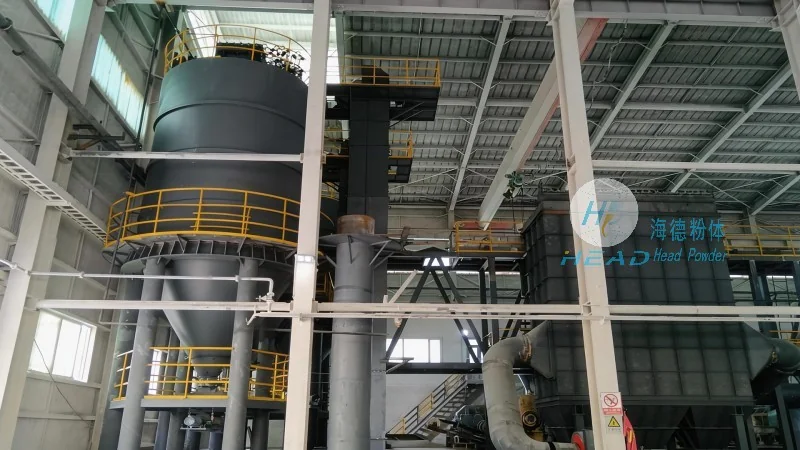
Screw conveyors, also known as auger conveyors, are another common method for iron sand transport, especially in horizontal or slightly inclined applications. These systems utilize a rotating screw (auger) to push material along a trough. Screw conveyors are compact and can be installed in confined spaces, making them suitable for processing plants with limited floor space. They are also relatively low-cost to install and maintain compared to other systems.
The main advantage of screw conveyors is their ability to handle a wide range of materials, including abrasive iron sand, without the need for additional components like belts or buckets. The enclosed design helps contain dust and prevent material spillage, which is crucial in industrial environments. However, screw conveyors have lower capacity compared to belt conveyors and are less effective for vertical transport. The continuous rotation can also cause material degradation if the screw speed is too high, potentially affecting the quality of the iron sand.
Pneumatic Conveyors: Flexible and Dust-Free for Fine Iron Sand
Pneumatic conveyors use air pressure to transport iron sand through a pipeline system. These systems are particularly suitable for fine or powdery iron sand, as they can handle materials with small particle sizes efficiently. Pneumatic conveyors offer flexibility in layout, allowing material to be transported in multiple directions without the need for complex machinery. They are also dust-free, which enhances workplace safety and reduces the risk of material contamination.
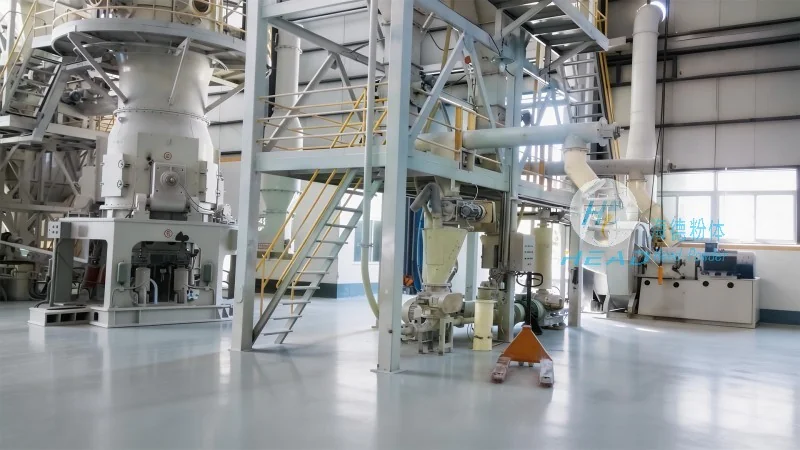
A key advantage of pneumatic conveyors is their ability to transport iron sand over long distances with minimal maintenance. The system is self-cleaning, as the air flow helps remove any material buildup from the pipeline. However, pneumatic conveyors have higher energy consumption compared to other methods, as they require significant air pressure to move the material. Additionally, they are less effective for handling large or heavy particles, as the air pressure may not be sufficient to move them through the pipeline without causing blockages.
Hydraulic Systems: High-Pressure Transport for Heavy Iron Sand Loads
Hydraulic systems use high-pressure fluid to transport iron sand, particularly in applications requiring high force and precision. These systems are commonly used in heavy-duty industrial processes where large volumes of iron sand need to be moved with high pressure. Hydraulic conveyors are capable of handling heavy loads and can operate in harsh environments, making them suitable for mining and construction applications.
The primary advantage of hydraulic systems is their ability to provide high force and control, allowing for precise positioning of iron sand in processing equipment. They are also relatively quiet compared to other conveying methods, reducing noise pollution in industrial settings. However, hydraulic systems have higher initial costs and require specialized maintenance, as they involve complex fluid systems and high-pressure components. The risk of fluid leaks and system failures also adds to the maintenance burden.
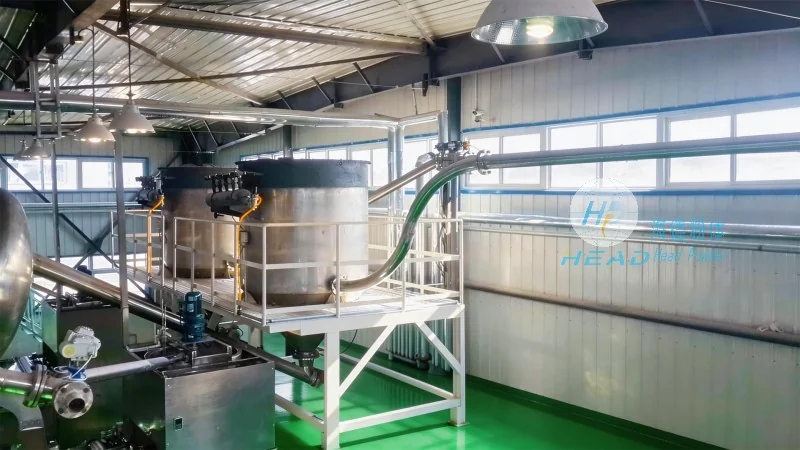
Choosing the Right Conveying Method for Iron Sand Applications
The selection of an iron sand conveying method depends on several factors, including the material's characteristics, transport distance, and operational requirements. Belt conveyors are ideal for large-scale, long-distance transport of bulk iron sand, while screw conveyors are better suited for compact, horizontal applications. Pneumatic conveyors excel in handling fine or powdery iron sand and require dust-free environments, whereas hydraulic systems are preferred for heavy loads and high-pressure applications.
Industrial operators should consider the cost of installation and maintenance, as well as the expected lifespan of the system, when choosing a conveying method. For example, belt conveyors may have lower initial costs but higher long-term maintenance expenses due to wear and tear. In contrast, hydraulic systems have higher initial costs but lower maintenance requirements in some cases. The choice also depends on the specific application, such as whether the iron sand is being transported for processing, storage, or disposal.
Conclusion
Each iron sand conveying method has its own set of advantages and disadvantages, making it essential for industrial operators to evaluate their options carefully. By understanding the characteristics of different systems and matching them to their specific needs, companies can optimize their operations, reduce costs, and improve overall efficiency. The choice of conveying method directly impacts the success of iron sand handling processes, and therefore, careful consideration is warranted.

 Công ty TNHH Kỹ thuật Công trình Bột Hải Đức Sơn Đông
 156-6277-7102(Quản lý Trương)
  0531-83386006
  Quận Chương Khâu, Thành phố Tế Nam, Tỉnh Sơn Đông, Trung Quốc
Điện thoại
WeChatTư vấn
Lên đầu