Công ty Hải Đức Bột với hơn 10 năm kinh nghiệm vận chuyển khí, cung cấp hệ thống‑thiết bị‑quạt gió và nhận dự án tổng thầu bột cả nước
When it comes to handling cotton seed, efficient and reliable conveying systems are essential for optimizing processing operations. The choice of conveying method can significantly impact productivity, cost, and overall operational efficiency. This article provides a detailed comparison of common cotton seed conveying methods, highlighting their advantages and disadvantages to help you make an informed decision for your agricultural or industrial needs.
Introduction to Cotton Seed Conveying
Cotton seed, a byproduct of the cotton industry, requires proper handling and transportation from the field to processing facilities. Conveying systems are critical in ensuring that cotton seed is moved safely, efficiently, and without damage. The right conveying method depends on factors such as the volume of seed, the distance to be covered, the need for gentle handling, and the overall budget. Understanding the pros and cons of each method is key to selecting the most suitable solution.
1. Screw Conveyor (Auger Conveyor)
The screw conveyor, also known as an auger conveyor, is a popular choice for cotton seed handling due to its simplicity and effectiveness. This system consists of a rotating helical screw inside a tube or trough, which moves the seed forward through the conveyor. The screw conveyor is particularly effective for horizontal or slightly inclined transport, making it ideal for short to medium distances.
Advantages of screw conveyors include their compact design, low maintenance requirements, and ability to handle a wide range of seed sizes without the need for additional equipment. They are also relatively inexpensive to install and operate, making them a cost-effective solution for many applications. Additionally, screw conveyors can operate in a closed system, reducing dust and contamination risks.
However, screw conveyors have some limitations. They are not suitable for long vertical or steep incline transport due to the high friction and potential for seed damage. The rotating screw can also cause some seed breakage, which may affect the quality of the final product. Moreover, the system may not be efficient for very large volumes or when high-speed transport is required.
2. Pneumatic Conveying System
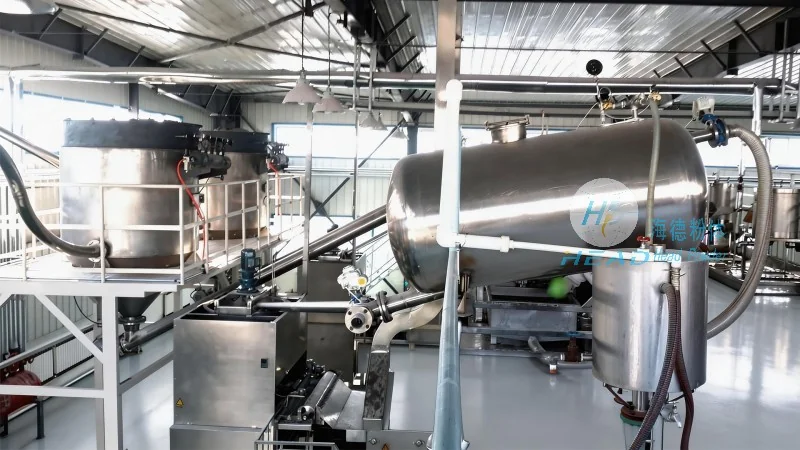
Pneumatic conveying systems use air to transport cotton seed through a pipeline. This method is ideal for long-distance transport, both horizontally and vertically, and is often used in large-scale processing facilities. The system can be either positive or negative pressure, depending on the application.
One of the main advantages of pneumatic conveying is its ability to transport seed over long distances with minimal loss. It can handle both dry and slightly moist seed, and the system can be integrated with other processing equipment, such as cleaners or separators. Pneumatic conveyors also allow for a closed system, which helps in controlling dust and maintaining seed quality.
However, pneumatic conveying has its drawbacks. The system requires a significant amount of energy to operate, as it needs to generate sufficient air pressure or vacuum. This can lead to higher operational costs, especially for large-scale operations. Additionally, the system may not be suitable for very fine or lightweight seed, as they can be easily carried away by the air stream, leading to material loss. Maintenance of the air filtration and pipeline system is also more complex and costly compared to other methods.
3. Belt Conveyor
Belt conveyors are another common method for cotton seed transport, especially in bulk handling applications. This system uses a continuous belt that moves over rollers or a flat surface to transport the seed. Belt conveyors are versatile and can handle a wide range of seed types and volumes.
The advantages of belt conveyors include their high capacity and ability to transport seed over long horizontal distances. They are also relatively simple to install and maintain, with fewer moving parts compared to other systems. Belt conveyors can be easily integrated with other equipment, such as elevators or sorters, to form a complete processing line.
Nevertheless, belt conveyors have limitations. They are not suitable for vertical transport or steep inclines, as the belt may slip or require additional power. The system can also be affected by seed size and moisture content, as larger or heavier seeds may cause the belt to wear out faster. Additionally, belt conveyors require regular cleaning and maintenance to prevent seed buildup and ensure smooth operation.
4. Bucket Elevator
Bucket elevators are vertical or inclined conveyors that use buckets attached to a chain or belt to lift and transport cotton seed. This method is ideal for vertical transport or steep inclines, making it suitable for moving seed from the ground to elevated storage or processing areas.
Bucket elevators offer several advantages, including high vertical lifting capacity and the ability to handle a wide range of seed sizes and densities. They are also relatively efficient for vertical transport, as the buckets can carry a significant amount of seed with each revolution. The system is also enclosed, which helps in controlling dust and maintaining seed quality.
However, bucket elevators have some disadvantages. They are more complex and expensive to install compared to other methods, as they require precise alignment and maintenance of the buckets and chain. The system may also cause some seed damage due to the impact of the buckets on the seed. Additionally, the vertical design can limit the overall capacity and may require additional equipment for horizontal transport.
Choosing the Right Conveying Method for Your Needs
When selecting a cotton seed conveying method, it is important to consider several factors to ensure the best fit for your operation. The volume of seed to be transported, the distance and elevation changes, the need for gentle handling, and the budget are all critical considerations. By evaluating the advantages and disadvantages of each method, you can make an informed decision that maximizes efficiency and minimizes costs.
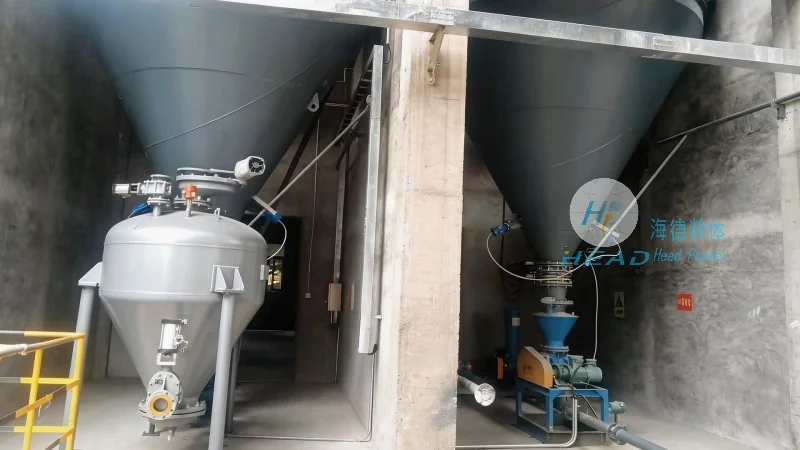
For example, if you need to transport cotton seed over long horizontal distances with minimal damage, a pneumatic conveying system may be the best choice. If you require vertical transport or have limited space, a bucket elevator could be more suitable. For shorter distances and moderate volumes, a screw or belt conveyor might be more cost-effective.
It is also important to consider the overall system integration and maintenance requirements. A well-designed conveying system should be compatible with other processing equipment and easy to maintain, reducing downtime and operational costs.
HeadPowder Engineering: Your Partner in Cotton Seed Conveying Solutions
At Shandong HeadPowder Engineering Co., Ltd., we understand the importance of efficient cotton seed conveying systems. With years of experience in the agricultural and industrial equipment industry, we provide high-quality conveying solutions tailored to your specific needs. Our team of experts can help you evaluate your requirements and select the most suitable conveying method, ensuring optimal performance and reliability.
We offer a range of conveying equipment, including screw conveyors, pneumatic systems, belt conveyors, and bucket elevators, all designed to meet the highest standards of quality and durability. Our products are manufactured with precision and tested for performance, ensuring they can withstand the demands of cotton seed processing. We also provide installation and maintenance services to ensure your system operates at peak efficiency.
Whether you are a small-scale farmer or a large industrial processor, HeadPowder Engineering is committed to providing reliable and cost-effective conveying solutions. Contact us today to learn more about our products and how we can help optimize your cotton seed handling operations.

 Công ty TNHH Kỹ thuật Công trình Bột Hải Đức Sơn Đông
 156-6277-7102(Quản lý Trương)
  0531-83386006
  Quận Chương Khâu, Thành phố Tế Nam, Tỉnh Sơn Đông, Trung Quốc
Điện thoại
WeChatTư vấn
Lên đầu