Công ty Hải Đức Bột với hơn 10 năm kinh nghiệm vận chuyển khí, cung cấp hệ thống‑thiết bị‑quạt gió và nhận dự án tổng thầu bột cả nước
HeadPowder, a leading engineering company based in Shandong, China, specializes in providing efficient and reliable solutions for sawdust handling and transportation. This article offers a detailed comparison of common sawdust conveying methods, highlighting their advantages and disadvantages to help businesses make informed decisions when selecting the most suitable system for their operations.
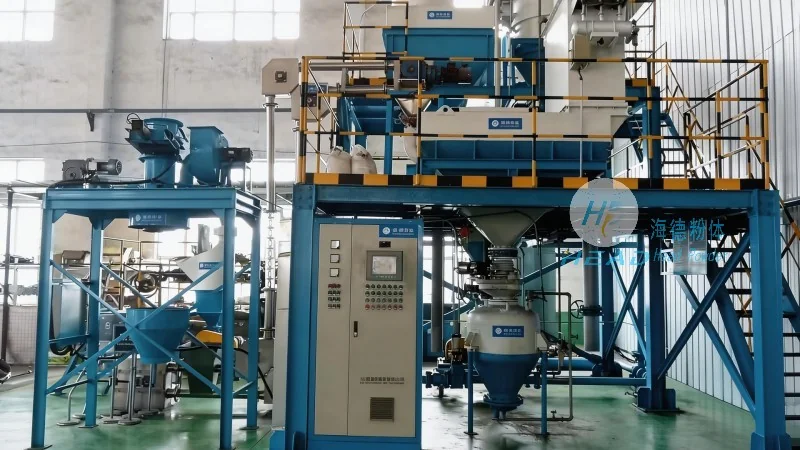
Introduction to Sawdust Conveying Systems
Sawdust, a byproduct of wood processing, requires effective transportation from production sites to storage or processing facilities. Conveying systems are essential for maintaining operational efficiency and safety. The choice of a conveying method depends on factors such as material characteristics, distance, volume, and budget. Below, we explore several common sawdust conveying methods and evaluate their pros and cons.
Spiral Conveyors (Auger Conveyors)
Spiral conveyors, also known as auger conveyors, are widely used for transporting sawdust due to their simplicity and effectiveness. These systems consist of a rotating screw inside a tube, which moves material forward through the screw's rotation. The primary advantages of spiral conveyors include low maintenance costs, compact design, and the ability to handle dry or slightly moist sawdust without clogging. They are particularly suitable for short to medium distances and horizontal or slight incline applications.
However, spiral conveyors have limitations. They are not ideal for transporting large volumes of sawdust over long distances, as the screw can become overloaded and cause wear. Additionally, the system may experience clogging if the sawdust is too fine or contains excessive moisture. The power consumption is relatively high compared to other methods, and the initial investment can be higher for larger capacity models.
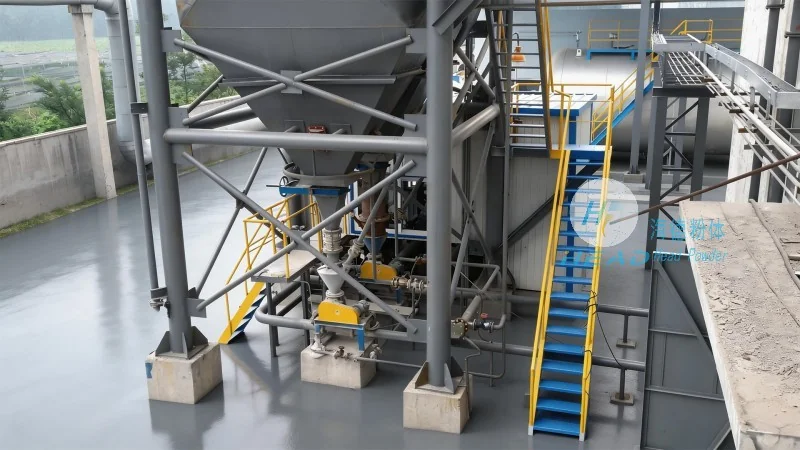
Air-Powered Conveyors (Pneumatic Conveyors)
Air-powered or pneumatic conveyors use compressed air to transport sawdust through a pipeline. This method is highly effective for long-distance and high-volume transportation, as it can move material quickly and efficiently. The advantages of pneumatic conveyors include the ability to transport sawdust over long distances without the need for multiple transfer points, and the system's flexibility in handling various material types, including fine powders and granules. They are also suitable for applications requiring dust control and containment.
Despite these benefits, pneumatic conveyors have significant drawbacks. The initial cost is generally higher than other systems due to the need for air compressors and specialized equipment. Energy consumption is high, as compressed air requires substantial power. Additionally, the system may be prone to wear and tear on the pipeline and components, and maintenance can be complex. Furthermore, the material can be subject to degradation if the air flow is insufficient or if the system is not properly maintained.
Belt Conveyors
Belt conveyors are a classic method for transporting sawdust, commonly used in bulk material handling. These systems consist of a continuous belt that moves material along a path, supported by rollers or idlers. The primary advantages of belt conveyors include their ability to handle large volumes of sawdust over long distances, and their durability and low maintenance requirements. They are suitable for both horizontal and inclined applications and can be easily integrated with other equipment.
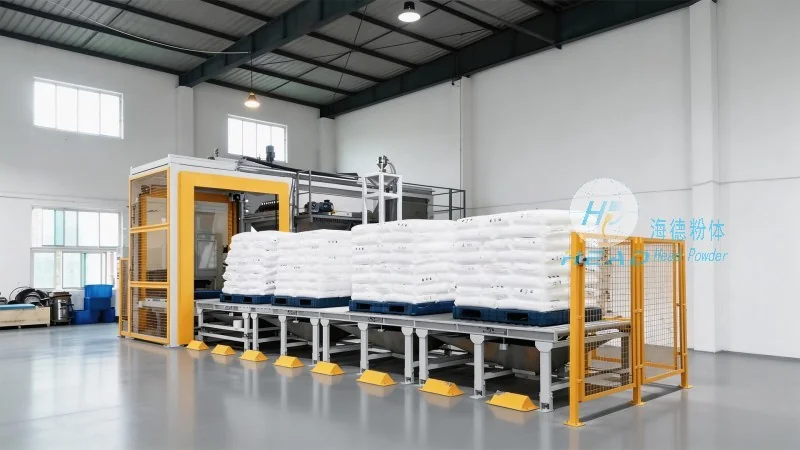
However, belt conveyors have limitations. They require a significant amount of space for installation, and the initial investment can be high. The system may experience material spillage or buildup on the belt, leading to maintenance issues. Additionally, the belt can be damaged by sharp or abrasive sawdust particles, requiring regular inspection and replacement. The speed of material transport is generally lower compared to pneumatic systems, and the system may not be suitable for very fine or dusty sawdust without additional dust control measures.
Hydraulic Conveyors
Hydraulic conveyors use hydraulic power to transport sawdust through a system of pipes and pumps. This method is less common but can be effective for specific applications. The advantages of hydraulic conveyors include the ability to handle abrasive materials without significant wear, and the system's ability to transport material over long distances with minimal maintenance. They are particularly suitable for applications where other systems may not be feasible due to space or environmental constraints.
However, hydraulic conveyors have several drawbacks. The initial cost is high due to the need for hydraulic components and power sources. The system requires regular maintenance to prevent leaks and ensure proper operation. Energy consumption is relatively high, and the system may be less efficient for transporting large volumes of sawdust compared to other methods. Additionally, the system can be prone to clogging if the sawdust contains excessive moisture or fine particles.
Choosing the Right Sawdust Conveying Method
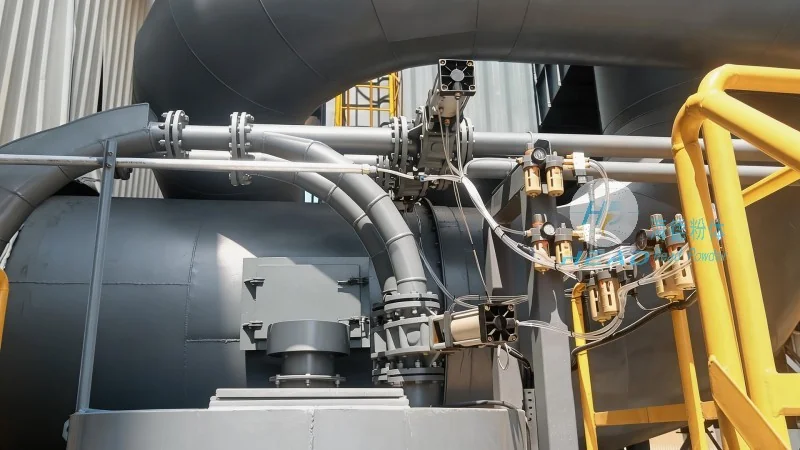
When selecting a sawdust conveying method, businesses should consider several factors to ensure optimal performance and cost-effectiveness. The volume and characteristics of the sawdust (e.g., moisture content, particle size) are critical. The distance and layout of the facility also play a significant role. Budget constraints and maintenance capabilities should not be overlooked. By evaluating the advantages and disadvantages of each method, companies can choose the most suitable system for their specific needs.
Conclusion
HeadPowder, with its expertise in engineering solutions, offers a range of sawdust conveying systems tailored to meet the diverse needs of wood processing industries. Whether a business requires a simple spiral conveyor for short-distance transport or a complex pneumatic system for long-distance handling, our team provides customized solutions that enhance operational efficiency and safety. By understanding the pros and cons of each conveying method, businesses can make informed decisions that align with their operational goals and budget.

 Công ty TNHH Kỹ thuật Công trình Bột Hải Đức Sơn Đông
 156-6277-7102(Quản lý Trương)
  0531-83386006
  Quận Chương Khâu, Thành phố Tế Nam, Tỉnh Sơn Đông, Trung Quốc
Điện thoại
WeChatTư vấn
Lên đầu