Công ty Hải Đức Bột với hơn 10 năm kinh nghiệm vận chuyển khí, cung cấp hệ thống‑thiết bị‑quạt gió và nhận dự án tổng thầu bột cả nước
When handling silicon carbide, an essential material in various industrial applications, selecting the right conveying method is crucial for efficiency, cost-effectiveness, and operational safety. Silicon carbide (SiC) is known for its high hardness, thermal stability, and chemical resistance, making it a popular choice in abrasive materials, refractory products, and semiconductor manufacturing. However, its abrasive nature and potential health hazards require specialized equipment and methods to ensure safe and effective transport. This article provides a detailed comparison of common silicon carbide conveying methods, examining their advantages and disadvantages to help industrial operators make informed decisions.
Overview of Silicon Carbide and Conveying Challenges
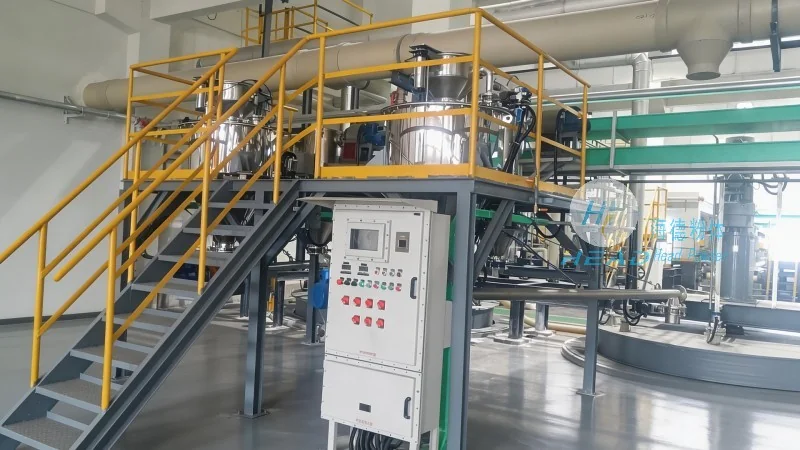
Silicon carbide is a synthetic ceramic material with a Mohs hardness of about 9.2, making it extremely abrasive. It is often used in applications such as grinding wheels, cutting tools, and abrasive papers. The material's high density (approximately 3.2 g/cm³) and fine particle size can pose challenges during transport, including equipment wear, clogging, and dust generation. Effective conveying systems must address these issues while maintaining material integrity and operational efficiency. The choice of conveying method depends on factors like material characteristics, throughput requirements, distance, and budget, as each method has unique strengths and limitations.
1. Screw Conveyors (Auger Conveyors)
Screw conveyors are one of the most common methods for transporting bulk materials, including silicon carbide. These systems consist of a rotating helical screw inside a U-shaped or cylindrical trough. The screw rotates, pushing material forward along the trough. For silicon carbide, screw conveyors are particularly suitable for horizontal or slightly inclined transport over short to medium distances. A key advantage of screw conveyors is their simplicity and low maintenance requirements. They are relatively inexpensive to install and operate, making them an attractive option for small to medium-scale operations. Additionally, screw conveyors can handle a wide range of particle sizes, from fine powders to larger chunks, without requiring additional equipment like hoppers or feeders.
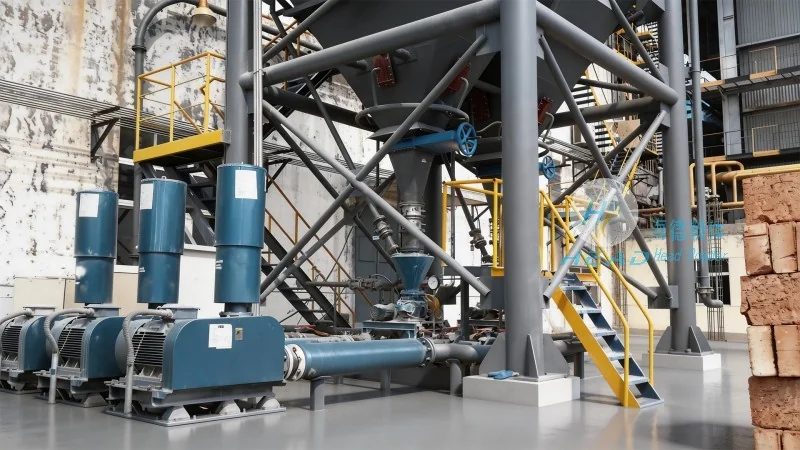
However, screw conveyors have significant drawbacks when used with abrasive materials like silicon carbide. The continuous contact between the screw and the trough causes rapid wear, reducing the system's lifespan. The material's hardness can quickly dull the screw and wear down the trough walls, leading to frequent replacements and increased maintenance costs. Moreover, screw conveyors are not ideal for vertical transport or long distances, as the material may experience excessive pressure and clogging. This makes them less suitable for applications requiring high throughput or long transport distances.
2. Pneumatic Conveying Systems
Pneumatic conveying, or air-based transport, uses compressed air to move silicon carbide particles through a pipeline. This method is particularly effective for fine powders and can handle long distances with minimal material degradation. There are two main types of pneumatic conveying: dilute phase and dense phase. Dilute phase systems use low air velocity to transport material in a cloud-like state, while dense phase systems use higher air pressure to push material in a slurry-like state. For silicon carbide, dense phase conveying is often preferred as it reduces particle attrition and clogging, ensuring a more stable flow.
A major advantage of pneumatic conveying is its ability to transport material vertically and horizontally with equal efficiency. This makes it suitable for complex layouts and multi-level facilities. Additionally, pneumatic systems can be integrated with dust collection and filtration equipment, helping to control airborne dust and improve workplace safety. The system is also relatively compact, requiring less floor space compared to other methods. However, pneumatic conveying has significant drawbacks, especially when dealing with abrasive materials. The high air velocity and pressure can cause the pipeline and fittings to wear quickly, leading to increased maintenance and replacement costs. The system also requires a reliable compressed air supply, which can be costly to operate and maintain. Furthermore, the initial investment for pneumatic systems is higher than for screw or belt conveyors, making them less suitable for budget-sensitive projects.
3. Belt Conveyors
Belt conveyors are widely used in bulk material handling, including the transport of silicon carbide. These systems consist of a continuous belt that moves over rollers or pulleys, transporting material from one point to another. Belt conveyors are suitable for both horizontal and inclined transport over long distances, making them ideal for large-scale operations. A key advantage of belt conveyors is their high throughput capacity, which can handle large volumes of material efficiently. They are also relatively low maintenance compared to other systems, as the main components (belt, rollers, and frame) are durable and require minimal upkeep.
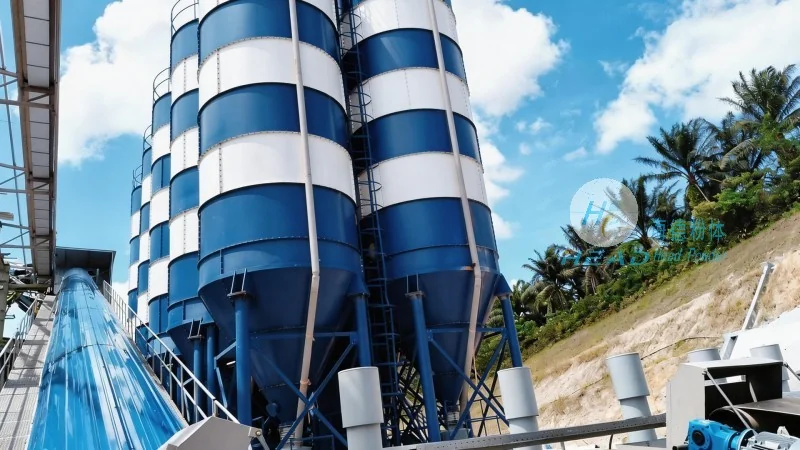
However, belt conveyors have limitations when used with abrasive materials like silicon carbide. The continuous contact between the belt and the material causes significant wear, reducing the belt's lifespan. The material's hardness can quickly wear down the belt surface, leading to increased downtime for belt replacement. Additionally, belt conveyors are prone to clogging and material buildup, especially with fine powders, which can disrupt the flow and require frequent cleaning. The system also requires proper alignment and tensioning to prevent slippage or misalignment, adding to the operational complexity. Furthermore, belt conveyors are not suitable for vertical transport or steep inclines, as the material may slide back or cause excessive wear on the belt and rollers.
4. Bucket Elevators
Bucket elevators are vertical conveying systems that use a continuous chain with attached buckets to transport material upward. These systems are particularly effective for vertical transport of bulk materials, including silicon carbide, over medium to high heights. A key advantage of bucket elevators is their ability to handle vertical transport efficiently, making them suitable for multi-level facilities or applications requiring material to be lifted to elevated storage areas. The system is also relatively compact, as it occupies minimal floor space compared to other vertical transport methods. Additionally, bucket elevators can handle a wide range of particle sizes and densities without requiring additional equipment like hoppers or feeders.

 Công ty TNHH Kỹ thuật Công trình Bột Hải Đức Sơn Đông
 156-6277-7102(Quản lý Trương)
  0531-83386006
  Quận Chương Khâu, Thành phố Tế Nam, Tỉnh Sơn Đông, Trung Quốc
Điện thoại
WeChatTư vấn
Lên đầu