Công ty Hải Đức Bột với hơn 10 năm kinh nghiệm vận chuyển khí, cung cấp hệ thống‑thiết bị‑quạt gió và nhận dự án tổng thầu bột cả nước
When it comes to the transport of manganese carbonate, selecting the right method is crucial for ensuring efficiency, safety, and cost-effectiveness in industrial operations. Manganese carbonate is a vital raw material used in various industries, including battery manufacturing, steel production, and chemical processing. The choice of transport method significantly impacts the overall supply chain, affecting factors such as material handling, storage, and delivery. This article provides a detailed comparison of common manganese carbonate transport methods, highlighting their advantages and disadvantages to help businesses make informed decisions.
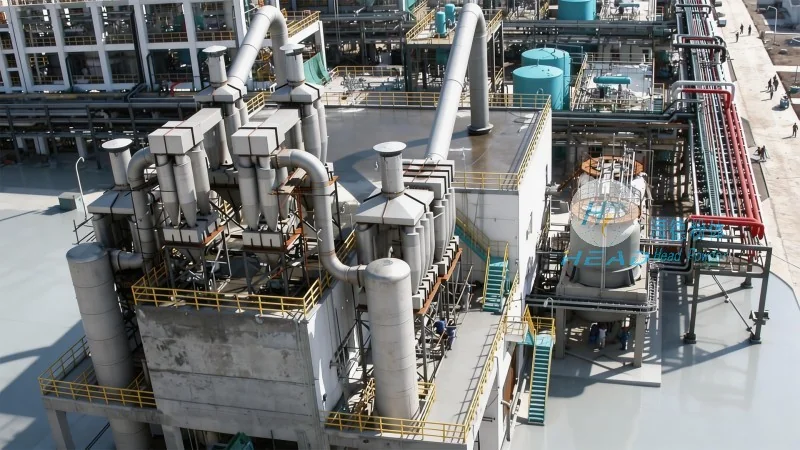
Introduction to Manganese Carbonate and Transport Importance
Manganese carbonate, with the chemical formula MnCO₃, is a white or light gray crystalline powder. It serves as a key source of manganese, an essential element in modern industrial applications. The efficient transport of this material is critical for maintaining production schedules and meeting market demands. Different industries have varying requirements for handling and transporting manganese carbonate, making it necessary to evaluate various methods based on specific operational needs.
Company Profile: Shandong HeadPowder Engineering Co., Ltd.
HeadPowder, or Shandong HeadPowder Engineering Co., Ltd., is a leading provider of specialized engineering solutions and materials handling services. With a strong presence in China, particularly in Shandong, the company has established itself as a trusted partner in the manganese carbonate industry. HeadPowder specializes in the processing, packaging, and transportation of manganese carbonate, leveraging years of experience to deliver high-quality products and services. The company's commitment to quality and customer satisfaction makes it a preferred choice for businesses seeking reliable transport solutions for manganese carbonate.
Common Manganese Carbonate Transport Methods
Several methods are commonly used to transport manganese carbonate, each with its own set of advantages and limitations. The selection of a transport method depends on factors such as the quantity of material, distance, infrastructure availability, and regulatory requirements. Below is a detailed analysis of the most prevalent transport methods.
1. Bulk Truck Transportation
Bulk truck transportation is one of the most widely used methods for moving manganese carbonate. This method involves loading the material into large trucks, typically with capacity ranging from 20 to 40 tons. The trucks are equipped with specialized containers or trailers designed to prevent dust and spillage during transit. The primary advantage of bulk truck transport is its flexibility and ability to reach various locations, including remote or industrial sites. It allows for direct delivery to the point of use, reducing the need for intermediate storage. However, this method has some drawbacks. It is subject to traffic conditions, which can cause delays. Additionally, the cost of fuel and driver labor can be significant, especially for long-distance transport. Environmental regulations also play a role, as trucks contribute to emissions and may require compliance with local air quality standards.
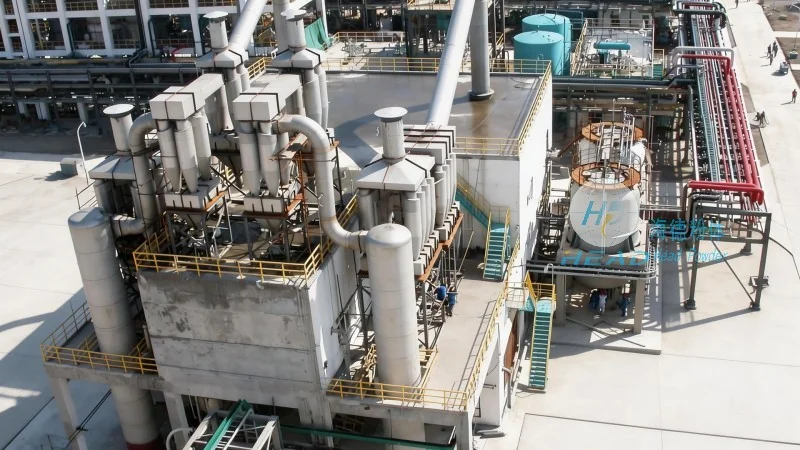
2. Railway Transportation
Railway transport is another common option for manganese carbonate, particularly for bulk quantities. This method involves loading the material into railcars, which can carry large volumes, often exceeding 100 tons per car. Rail transport is generally more cost-effective for long distances compared to trucking, as it offers economies of scale. The use of rail also reduces road congestion and associated emissions, making it a more environmentally friendly option. However, railway infrastructure is not always available in all regions, limiting its accessibility. The process of loading and unloading at rail terminals can be time-consuming, and there may be delays due to scheduling conflicts with other freight. Furthermore, the initial investment in rail infrastructure and the need for specialized loading equipment add to the overall cost.
3. Ship Transport (Marine Transport)
For international or long-distance transport, ship transport is the most economical method for manganese carbonate. This involves loading the material into bulk carriers or specialized vessels designed to handle dry bulk cargo. The capacity of ships can range from several thousand to tens of thousands of tons, making it ideal for large-scale shipments. The primary advantage of marine transport is its low cost per ton, especially for long distances. It also allows for the consolidation of shipments from multiple sources, reducing overall logistics costs. However, this method has several disadvantages. The transit time is significantly longer compared to truck or rail transport, which can impact production timelines. Weather conditions and port delays can cause further disruptions. Additionally, the need for proper packaging to prevent moisture absorption and material degradation is crucial, as ships are exposed to varying environmental conditions during voyage.
4. Containerized Transport
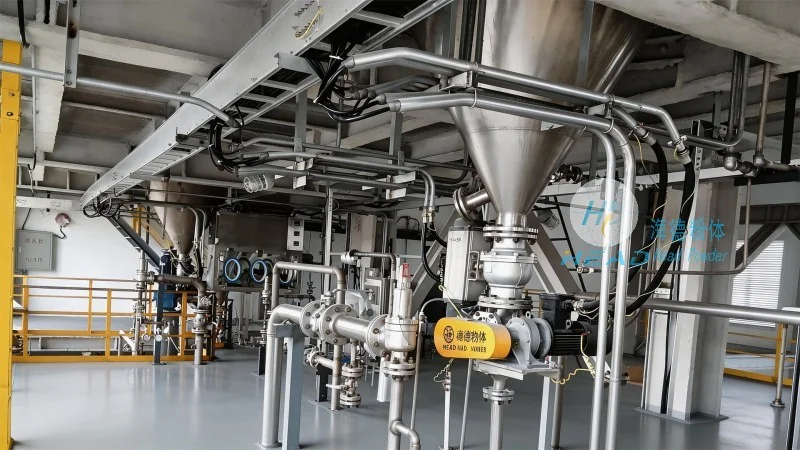
Containerized transport combines the benefits of both bulk and packaged transport. Manganese carbonate can be loaded into standard shipping containers, which are then transported by truck, rail, or ship. This method offers flexibility, as containers can be easily transferred between different modes of transport. The primary advantage is the protection of the material from dust, moisture, and contamination. Containers also facilitate easier handling and storage at the destination. However, containerized transport is generally more expensive than bulk methods due to the higher cost of containers and the need for specialized handling equipment. The capacity of containers is limited compared to bulk carriers, making it less suitable for very large shipments.
5. Pipelines (for Liquid or Slurry Forms)
While manganese carbonate is typically a solid powder, it can be transported as a slurry or liquid form in some specialized applications. This method involves pumping the material through pipelines, which is efficient for continuous and large-scale transport. The primary advantage is the ability to transport the material over long distances without the need for intermediate handling. It is also a more environmentally friendly option, as it reduces the number of vehicles on the road. However, this method requires significant infrastructure investment, including pipelines, pumps, and treatment facilities. The cost of converting the material into a slurry or liquid form can be high, and there are limitations on the distance and terrain that can be covered. Additionally, the risk of clogging and maintenance issues must be considered.
Advantages and Disadvantages Summary
Each transport method for manganese carbonate has its own set of advantages and disadvantages. Bulk truck transport offers flexibility and direct delivery but is subject to traffic and cost factors. Railway transport is cost-effective and environmentally friendly but may have limited accessibility and scheduling issues. Ship transport is economical for large volumes but has longer transit times and weather-related risks. Containerized transport provides protection and flexibility but is more expensive. Pipeline transport is efficient for continuous flow but requires significant infrastructure and conversion costs. The choice of method should be based on a thorough evaluation of operational needs, cost considerations, and logistical constraints.
Conclusion and Recommendations
Choosing the right transport method for manganese carbonate is a critical decision that impacts the efficiency and profitability of industrial operations. Businesses should consider factors such as the quantity of material, distance, infrastructure availability, and regulatory requirements when selecting a transport method. Shandong HeadPowder Engineering Co., Ltd. offers comprehensive transport solutions tailored to the specific needs of its clients, ensuring safe and efficient delivery of manganese carbonate. By understanding the advantages and disadvantages of each method, companies can make informed decisions that optimize their supply chain and meet market demands effectively.

 Công ty TNHH Kỹ thuật Công trình Bột Hải Đức Sơn Đông
 156-6277-7102(Quản lý Trương)
  0531-83386006
  Quận Chương Khâu, Thành phố Tế Nam, Tỉnh Sơn Đông, Trung Quốc
Điện thoại
WeChatTư vấn
Lên đầu