Công ty Hải Đức Bột với hơn 10 năm kinh nghiệm vận chuyển khí, cung cấp hệ thống‑thiết bị‑quạt gió và nhận dự án tổng thầu bột cả nước
For industrial applications, the efficient and reliable transportation of activated carbon is crucial to ensure smooth production processes and maintain product quality. Shandong HeadPowder Engineering Co., Ltd., a leading manufacturer based in Shandong, China, specializes in providing high-quality activated carbon and related conveying solutions. This article provides a detailed comparison of common activated carbon conveying methods, highlighting their advantages and disadvantages to help industrial operators make informed decisions.
Overview of Activated Carbon Conveying Methods
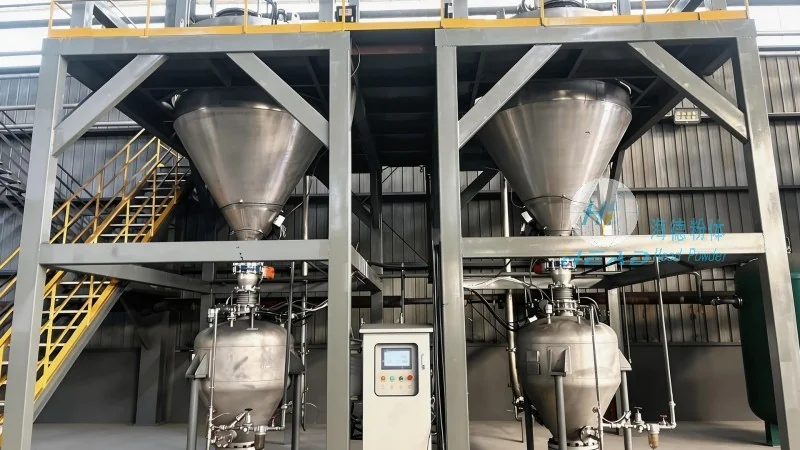
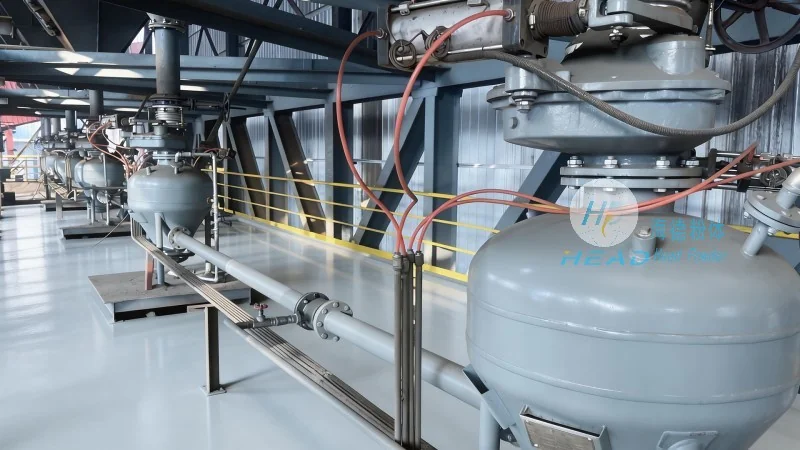
Activated carbon, widely used in water treatment, air purification, and chemical processes, requires specialized conveying techniques due to its granular nature and varying particle sizes. The choice of conveying method depends on factors such as material properties, production scale, and operational environment. Common methods include gravity conveyors, mechanical conveyors, and pneumatic (air) conveyors. Each method has distinct characteristics that influence its suitability for different industrial applications.
Gravity Conveying
Gravity conveying, also known as inclined chutes or bucket elevators, relies on the natural force of gravity to move activated carbon from one level to another. This method is simple in design and operation, making it suitable for short-distance, low-volume applications. The primary advantage of gravity conveying is its low energy consumption and minimal maintenance requirements. However, it has significant limitations, particularly for vertical or long-distance transport, as the material must be placed at the top of the conveyor and allowed to flow downward. This method is also inefficient for handling fine or cohesive activated carbon particles, which may stick to the chute walls and cause blockages. Additionally, gravity conveyors are limited by the angle of inclination, typically requiring steep slopes to maintain material flow, which may not be feasible in all plant layouts.
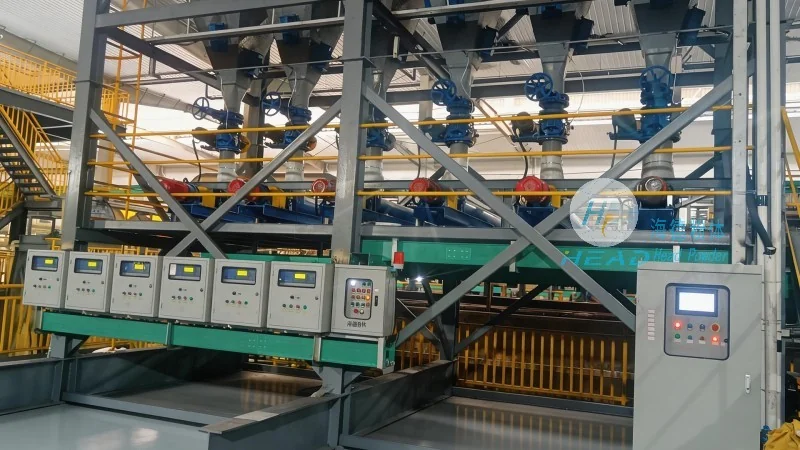
Mechanical Conveying
Mechanical conveying systems use mechanical components, such as belts, screws, or buckets, to transport activated carbon. Screw conveyors, for example, are widely used in activated carbon handling due to their ability to handle a wide range of particle sizes and moisture content. These systems are enclosed, which helps contain dust and prevent contamination, a critical factor in industries like water treatment where product purity is paramount. The main advantage of mechanical conveyors is their versatility and ability to handle both dry and slightly moist activated carbon. They can operate in both horizontal and vertical orientations, making them suitable for complex plant layouts. However, mechanical conveyors require more maintenance than gravity systems, as moving parts like screws and bearings are subject to wear and tear. Additionally, they may generate more noise and vibration, which can affect the working environment. Another drawback is the potential for material degradation, especially for delicate or high-value activated carbon, as the mechanical action can cause abrasion or breakage of particles.
Pneumatic (Air) Conveying
Pneumatic conveying, or air conveying, uses compressed air to transport activated carbon particles through a pipeline. This method is particularly effective for long-distance and high-volume transport, as it can move material vertically and horizontally with minimal resistance. The primary advantage of pneumatic conveying is its high efficiency and ability to handle fine powders without the need for additional equipment. It also provides better dust control compared to other methods, as the material is contained within the pipeline. However, pneumatic systems require significant energy input to operate the air compressor, which increases operational costs. Additionally, they are susceptible to pressure drops and blockages, especially with cohesive or wet activated carbon, which can lead to system inefficiencies or even system failure. The cost of installation and maintenance for pneumatic systems is also higher compared to gravity or mechanical conveyors, as they involve complex piping and air handling equipment.
Conclusion
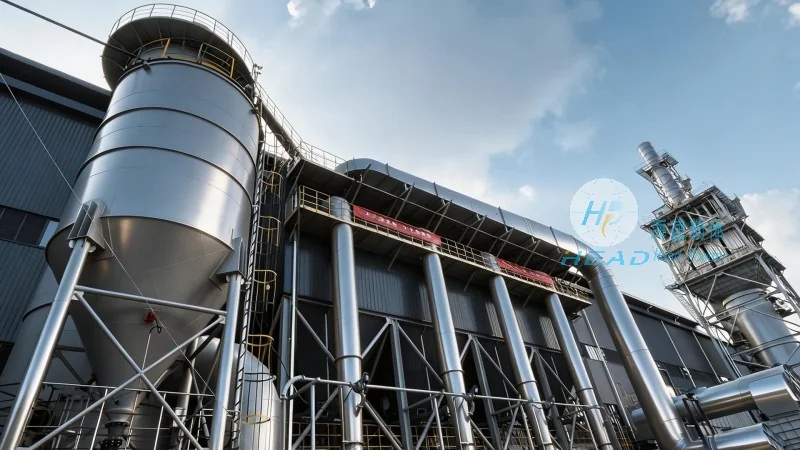
Choosing the appropriate activated carbon conveying method is a critical decision for industrial operators, as it directly impacts production efficiency, product quality, and operational costs. Gravity conveying is suitable for simple, low-cost applications with short distances and low material volumes. Mechanical conveyors offer versatility and enclosed handling, making them ideal for medium to large-scale operations where product purity is essential. Pneumatic conveying is best for high-volume, long-distance transport, though it comes with higher energy and maintenance costs. Shandong HeadPowder Engineering Co., Ltd. provides tailored conveying solutions to meet the specific needs of its clients, ensuring optimal performance and reliability in activated carbon handling processes.

 Công ty TNHH Kỹ thuật Công trình Bột Hải Đức Sơn Đông
 156-6277-7102(Quản lý Trương)
  0531-83386006
  Quận Chương Khâu, Thành phố Tế Nam, Tỉnh Sơn Đông, Trung Quốc
Điện thoại
WeChatTư vấn
Lên đầu