Công ty Hải Đức Bột với hơn 10 năm kinh nghiệm vận chuyển khí, cung cấp hệ thống‑thiết bị‑quạt gió và nhận dự án tổng thầu bột cả nước
Steel and lime are critical components in numerous industrial processes, and the efficiency of their transportation is vital to overall operational success. Conveying systems must be tailored to the unique properties of each material to ensure reliable and cost-effective movement. This article, presented by Shandong HeadPowder Engineering Co., Ltd., based in China, provides a comprehensive comparison of common steel and lime conveying methods, highlighting their advantages and disadvantages to assist industrial operators in selecting the most suitable system for their needs.
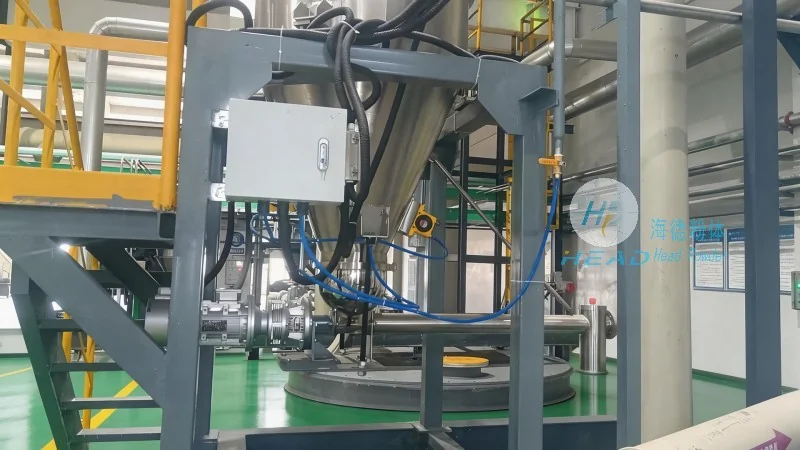
1. Belt Conveyors for Steel and Lime Transport
Belt conveyors are among the most widely used systems for transporting bulk materials like steel and lime. These systems consist of a continuous belt that moves materials from one point to another, often supported by rollers or idlers. For steel and lime, belt conveyors offer several advantages, including high capacity, low maintenance costs, and the ability to cover long distances. They are particularly effective for horizontal or slightly inclined transport, making them suitable for many industrial settings. However, belt conveyors also have limitations. For example, they may not be suitable for very steep inclines, and the belt can be damaged by abrasive materials like steel, leading to higher replacement costs. Additionally, the system requires regular maintenance to ensure smooth operation, which can increase long-term operational expenses.
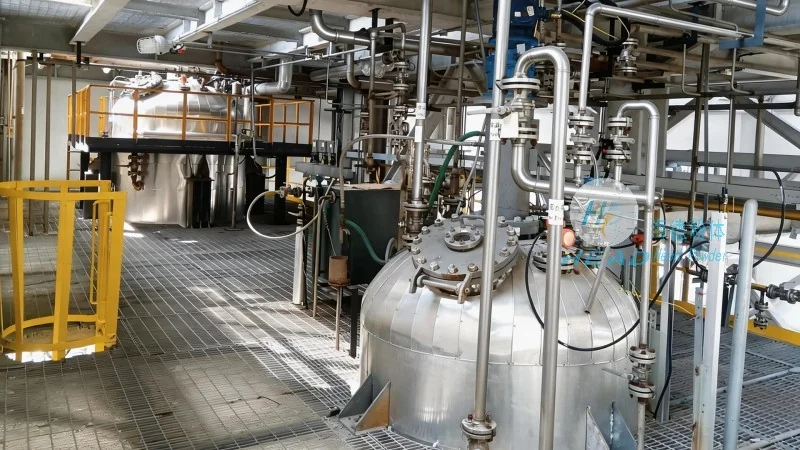
2. Screw Conveyors (Auger Conveyors) for Steel and Lime Handling
Screw conveyors, also known as auger conveyors, use a rotating screw to move materials along a tube or trough. This method is particularly effective for handling fine or powdery materials like lime, as well as bulkier steel products. One of the main advantages of screw conveyors is their compact design, which allows for installation in confined spaces. They also provide a continuous, enclosed transport system that minimizes material spillage and dust emissions. However, screw conveyors have their drawbacks. The rotating screw can cause material degradation, especially for delicate or heat-sensitive materials. Additionally, the system may experience clogging if the material is too dense or contains large particles, leading to reduced efficiency and potential downtime. Maintenance is also required for the screw and bearings, which can be costly over time.
3. Pneumatic Conveying Systems for Steel and Lime
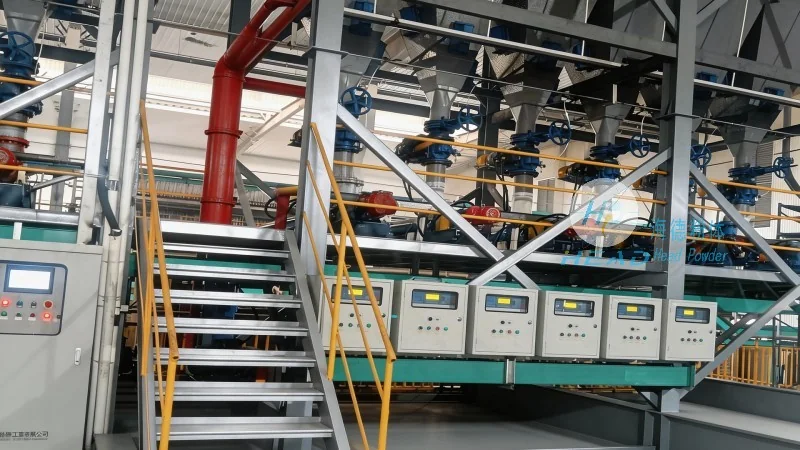
Pneumatic conveying systems use air or other gases to transport materials through a pipeline. This method is ideal for handling fine powders like lime and can also be adapted for bulkier steel products. One of the key advantages of pneumatic conveying is its ability to transport materials over long distances without the need for multiple transfer points. The system is also relatively compact and can be installed in existing facilities with minimal disruption. However, pneumatic conveying has significant disadvantages. It requires high air pressure, which increases energy consumption and operational costs. The system is also susceptible to material buildup in the pipeline, which can lead to blockages and system failure. Additionally, the equipment is more complex and expensive to install and maintain compared to other conveying methods.
4. Hydraulic Conveying for Steel and Lime Transport
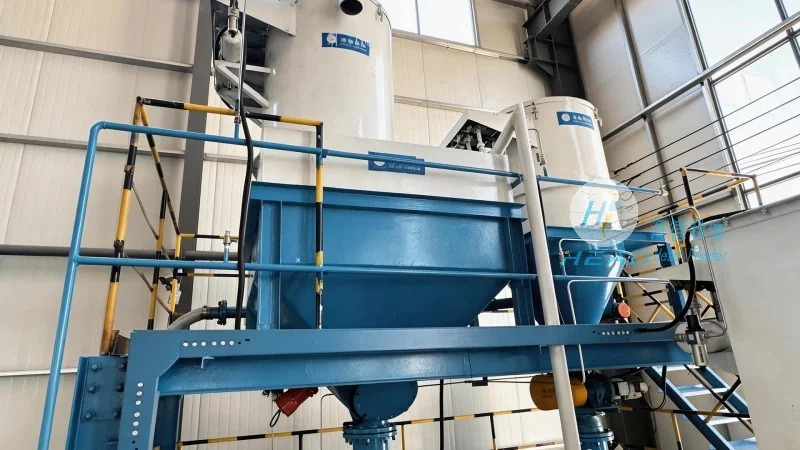
Hydraulic conveying systems use water or other liquids to transport materials through a pipeline. This method is particularly effective for handling wet or sticky materials, but can also be adapted for steel and lime. One of the main advantages of hydraulic conveying is its ability to handle abrasive materials without significant wear on the system components. The system also provides a continuous flow, which can improve production efficiency. However, hydraulic conveying has several drawbacks. It requires a large amount of water, which increases water consumption and disposal costs. The system is also more complex and expensive to install and maintain, as it involves pumps, valves, and other hydraulic components. Additionally, the risk of water contamination or material degradation is higher compared to other methods.
5. Comparison and Selection Criteria
When selecting a conveying method for steel and lime, several factors must be considered, including material characteristics, transport distance, budget, and operational requirements. Belt conveyors are generally the most cost-effective for long-distance horizontal transport, while screw conveyors are better suited for confined spaces and fine materials. Pneumatic conveying is ideal for long-distance transport of powders, but at a higher cost. Hydraulic conveying is suitable for abrasive materials but requires significant water usage. Ultimately, the choice of conveying method depends on the specific needs of the industrial application and the trade-offs between cost, efficiency, and maintenance.

 Công ty TNHH Kỹ thuật Công trình Bột Hải Đức Sơn Đông
 156-6277-7102(Quản lý Trương)
  0531-83386006
  Quận Chương Khâu, Thành phố Tế Nam, Tỉnh Sơn Đông, Trung Quốc
Điện thoại
WeChatTư vấn
Lên đầu