Công ty Hải Đức Bột với hơn 10 năm kinh nghiệm vận chuyển khí, cung cấp hệ thống‑thiết bị‑quạt gió và nhận dự án tổng thầu bột cả nước
When it comes to transporting coal and sand, selecting the right conveying method is crucial for efficiency, cost-effectiveness, and operational safety. Various options are available, each with its own set of advantages and limitations. This article explores the common methods used for coal and sand conveyance, with a particular focus on the benefits and characteristics of pneumatic conveying systems.
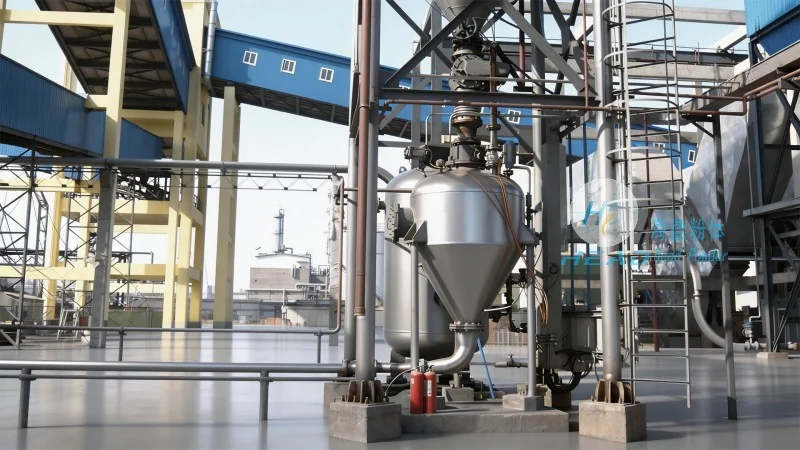
Introduction to Coal and Sand Conveying Methods
Coal and sand are essential raw materials in many industrial processes, including power generation, construction, and manufacturing. The need to move these materials from storage to processing units efficiently has led to the development of several conveying technologies. Traditional methods like belt conveyors, bucket elevators, and screw conveyors have been widely used, but modern applications increasingly favor pneumatic conveying due to its unique capabilities.
Common Conveying Methods for Coal and Sand
Several conventional and modern methods are employed for transporting coal and sand. Belt conveyors, for instance, are widely used for bulk material handling over long distances. They are cost-effective and can handle large volumes, but they have limitations in terms of vertical lift and flexibility. Bucket elevators are another option, particularly suitable for vertical transport of bulk materials. However, they require regular maintenance and can be noisy. Screw conveyors are used for horizontal or slight incline transport, but they are not ideal for abrasive materials like coal and sand due to wear and tear.
Pneumatic Conveying: A Modern Solution
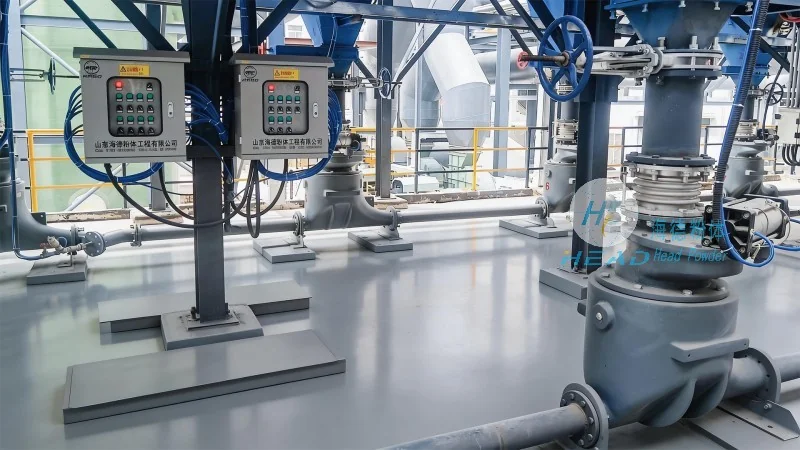
Pneumatic conveying, also known as air conveying, is a method that uses air pressure or vacuum to transport bulk materials through a pipeline. This technology offers several advantages over traditional systems, making it an attractive choice for coal and sand handling. The key benefits include high efficiency, minimal material degradation, and the ability to handle abrasive and dusty materials without significant wear.
Advantages of Pneumatic Conveying for Coal and Sand
One of the primary advantages of pneumatic conveying is its ability to transport materials in a closed system, which helps in controlling dust and improving safety. Unlike open systems, the enclosed pipeline prevents dust from escaping into the environment, reducing health hazards and compliance issues. Additionally, pneumatic systems can handle a wide range of particle sizes and moisture content, making them versatile for different coal and sand types.
Another significant benefit is the flexibility of pneumatic conveying. The system can be easily reconfigured to change the direction or destination of the material flow, which is particularly useful in dynamic industrial settings. This adaptability reduces downtime and allows for more efficient use of space. Furthermore, pneumatic systems are generally low-maintenance compared to mechanical conveyors, as they have fewer moving parts and are less prone to mechanical failure.
Features and Technical Aspects of Pneumatic Conveying
The effectiveness of a pneumatic conveying system depends on several technical features. The choice between positive pressure and negative pressure systems is critical. Positive pressure systems use compressed air to push the material through the pipeline, while negative pressure systems use vacuum to draw the material. For coal and sand, positive pressure systems are often preferred as they can handle higher material loads and longer distances more efficiently.
Key components of a pneumatic conveying system include the air compressor, material feeders, pipeline, and dust collectors. The air compressor provides the necessary pressure to move the material, while the feeder controls the flow rate. The pipeline must be properly sized and designed to minimize pressure drop and ensure smooth material transport. Dust collectors are essential for capturing any airborne particles, maintaining air quality and system efficiency.
Applications in Coal and Sand Handling
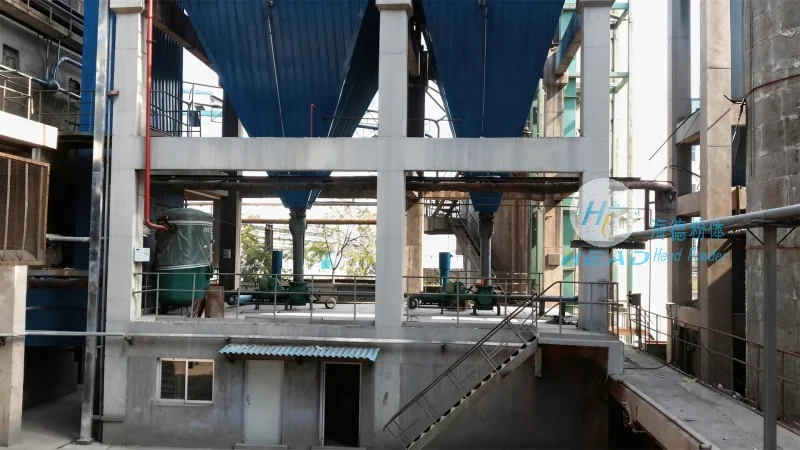
Pneumatic conveying is widely used in various applications involving coal and sand. In power plants, for example, it is used to transport coal from storage silos to boilers. In construction, it helps in moving sand and gravel from quarries to construction sites. The system's ability to handle abrasive materials without significant wear makes it suitable for these applications, where durability and efficiency are paramount.
Conclusion and Company Overview
Coal and sand conveying methods have evolved significantly over the years, with pneumatic conveying emerging as a leading technology for its efficiency and versatility. The advantages of pneumatic systems, including dust control, flexibility, and low maintenance, make them a preferred choice for many industries. As a leading provider in this field, Shandong HeadPowder Engineering Co., Ltd. specializes in designing and manufacturing advanced pneumatic conveying systems tailored to the specific needs of coal and sand handling applications.

 Công ty TNHH Kỹ thuật Công trình Bột Hải Đức Sơn Đông
 156-6277-7102(Quản lý Trương)
  0531-83386006
  Quận Chương Khâu, Thành phố Tế Nam, Tỉnh Sơn Đông, Trung Quốc
Điện thoại
WeChatTư vấn
Lên đầu