Công ty Hải Đức Bột với hơn 10 năm kinh nghiệm vận chuyển khí, cung cấp hệ thống‑thiết bị‑quạt gió và nhận dự án tổng thầu bột cả nước
Chromium oxide, a critical component in numerous industrial processes, demands efficient and reliable delivery methods to ensure optimal performance and safety. The choice of delivery method plays a pivotal role in the handling, storage, and processing of this material. This article delves into the primary delivery methods for chromium oxide, with a focus on the advantages and features of pneumatic conveying, a widely adopted technique in the industry.
About HeadPowder Engineering Co., Ltd.
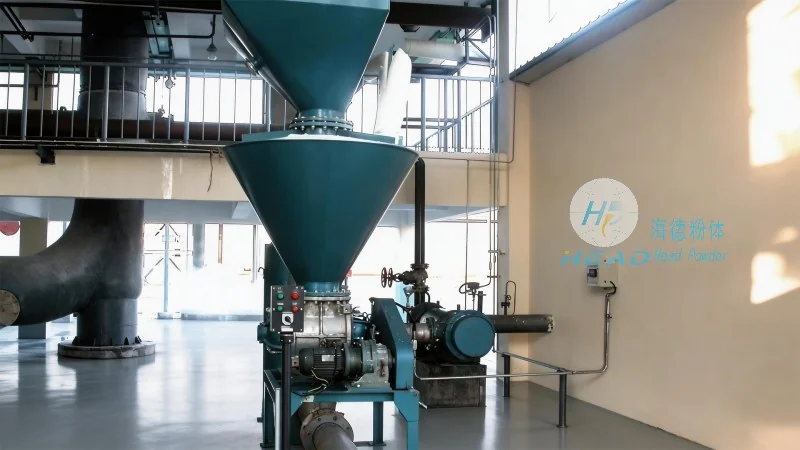
HeadPowder, a leading provider of material handling solutions, specializes in advanced delivery systems for industrial powders. Committed to quality and innovation, the company has established itself as a trusted partner for businesses seeking efficient and safe ways to transport materials like chromium oxide. HeadPowder Engineering Co., Ltd. is headquartered in Shandong, China, and offers comprehensive solutions tailored to meet the diverse needs of its clients.
Types of Delivery Methods for Chromium Oxide

Several methods are utilized to transport chromium oxide, each with distinct advantages and limitations. Common approaches include gravity flow, mechanical conveying, and pneumatic conveying. Gravity flow involves the use of chutes or hoppers to allow the material to move by gravity, which is suitable for materials with a relatively free-flowing nature and low dust generation. Mechanical conveying, such as belt conveyors or screw conveyors, employs mechanical components to move the material, providing a more controlled and consistent flow. However, these methods may not be ideal for chromium oxide due to its potential to generate dust and the need for precise control over material movement.
Pneumatic Conveying: Advantages and Features
Pneumatic conveying is a highly effective method for transporting chromium oxide, offering several key advantages that make it a preferred choice for many industrial applications. One primary benefit is the ability to handle materials with high dust content and fine particles, which is critical for chromium oxide due to its potential to create airborne particles during handling. The system uses air pressure to move the material through a pipeline, ensuring a clean and controlled transfer process. This method also allows for the integration of dust collection and filtration systems, minimizing environmental impact and ensuring compliance with safety regulations. Additionally, pneumatic conveying provides flexibility in terms of layout and can be easily integrated with other processing equipment, making it a versatile solution for various production lines.
Key Features of Pneumatic Conveying for Chromium Oxide
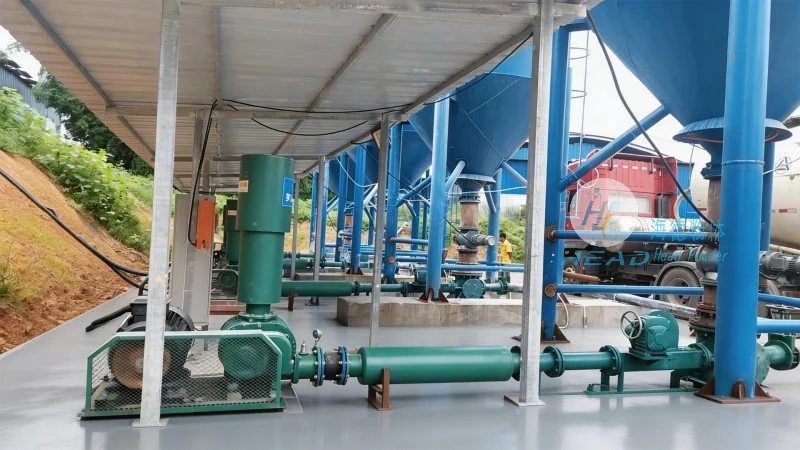
When considering pneumatic conveying for chromium oxide, several key features contribute to its effectiveness and reliability. First, the system's ability to handle fine and abrasive materials is crucial, as chromium oxide can be both fine and abrasive, potentially causing wear on equipment if not handled properly. Advanced materials and designs, such as corrosion-resistant components and efficient air distribution systems, are essential to ensure the longevity and performance of the conveying system. Second, the control over material flow is critical, as fluctuations in flow rate can affect downstream processes. Pneumatic conveying systems offer precise control through adjustable air pressure and flow rates, allowing for consistent material delivery. Third, the integration of safety features, such as dust suppression and explosion-proof designs, is vital for handling potentially hazardous materials like chromium oxide. These features help mitigate risks and ensure a safe working environment for operators.
Applications of Pneumatic Conveying in Chromium Oxide Handling
Pneumatic conveying is widely used in various applications involving chromium oxide, from manufacturing to processing and packaging. In the production of chromium oxide-based products, such as pigments and coatings, the material needs to be transported from storage silos to processing equipment without loss or contamination. Pneumatic conveying systems efficiently handle this transfer, ensuring a continuous and clean supply of material. Additionally, in the chemical and metallurgical industries, where chromium oxide is used as a catalyst or additive, the need for precise and controlled delivery is paramount. The ability of pneumatic conveying to deliver material in a controlled manner makes it ideal for these applications, where even small variations in material flow can impact product quality. Furthermore, in the packaging and distribution of chromium oxide, the system provides a hygienic and efficient way to move the material from production lines to storage or shipping areas, maintaining the material's quality and preventing contamination.
Conclusion: Choosing the Right Delivery Method for Chromium Oxide
When selecting a delivery method for chromium oxide, it is essential to consider the specific requirements of the application, including material properties, production scale, and safety regulations. While gravity and mechanical conveying methods may be suitable for some applications, pneumatic conveying offers superior advantages in terms of efficiency, control, and safety, especially for fine and abrasive materials like chromium oxide. HeadPowder Engineering Co., Ltd. provides advanced pneumatic conveying solutions tailored to meet the unique needs of its clients, ensuring reliable and safe transportation of chromium oxide. By leveraging the benefits of pneumatic conveying, businesses can enhance their operational efficiency, reduce costs, and maintain high standards of safety and quality in handling chromium oxide.

 Công ty TNHH Kỹ thuật Công trình Bột Hải Đức Sơn Đông
 156-6277-7102(Quản lý Trương)
  0531-83386006
  Quận Chương Khâu, Thành phố Tế Nam, Tỉnh Sơn Đông, Trung Quốc
Điện thoại
WeChatTư vấn
Lên đầu