Công ty Hải Đức Bột với hơn 10 năm kinh nghiệm vận chuyển khí, cung cấp hệ thống‑thiết bị‑quạt gió và nhận dự án tổng thầu bột cả nước
When it comes to safely and efficiently transporting hydrogen sulfide (H₂S), choosing the right method is crucial. H₂S is a toxic, flammable gas that requires specialized handling to ensure operational safety and environmental compliance. Among the various options available, pneumatic conveying stands out as a preferred solution for many industrial applications. This article will explore the different methods of H₂S transportation and delve into the key advantages and features of pneumatic conveying systems, highlighting why they are often the go-to choice for professionals in the field.
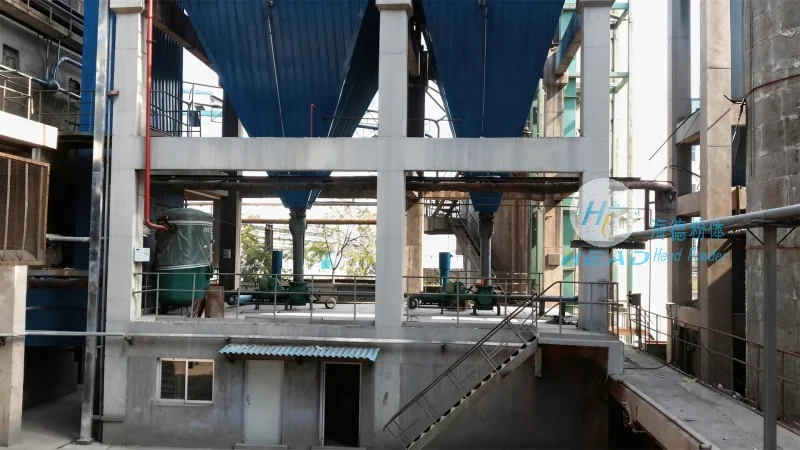
Understanding Hydrogen Sulfide and Its Transportation Challenges
Hydrogen sulfide is a colorless gas with a characteristic rotten egg odor. It is commonly found in natural gas, petroleum, and industrial waste streams. Due to its high toxicity and flammability, transporting H₂S demands robust systems that can manage the gas safely while minimizing exposure risks. Traditional methods, such as liquid or solid-state storage and handling, often involve complex and hazardous processes. In contrast, pneumatic conveying offers a more streamlined approach that addresses many of these challenges effectively.
Common Methods for Hydrogen Sulfide Transportation
There are several approaches to transporting H₂S, each with its own set of advantages and limitations. The primary methods include:
1. Pneumatic Conveying: This method uses air or other gases to move H₂S through a pipeline system. It can be either pressure or vacuum-based, depending on the application. Pneumatic conveying is known for its ability to handle both liquid and gaseous H₂S, making it versatile for various industrial settings.
2. Compression and Storage in Tanks: H₂S can be compressed and stored in specialized tanks for transport. This method is suitable for bulk quantities but requires strict safety protocols to prevent leaks and explosions.
3. Liquid Form Transportation: In some cases, H₂S is transported as a liquid under pressure. This approach is often used for long-distance pipelines but necessitates cryogenic temperatures and specialized equipment to maintain its liquid state.
Advantages of Hydrogen Sulfide Pneumatic Conveying
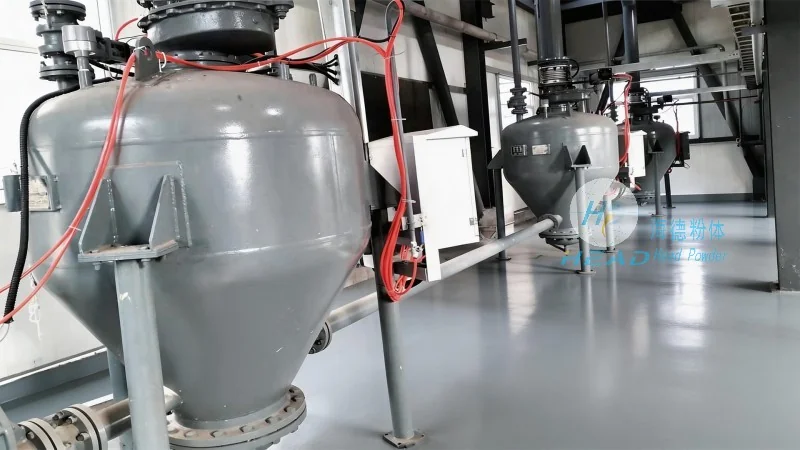
Pneumatic conveying systems offer several key benefits that make them an attractive choice for H₂S transportation. These advantages include:
1. Enhanced Safety: By using sealed pipelines and controlled air pressure, pneumatic conveying minimizes the risk of H₂S leakage and exposure. The system is designed to handle the gas in a contained environment, reducing the likelihood of accidents.
2. Efficient and Continuous Operation: Pneumatic conveying allows for continuous, unattended operation, which is ideal for industrial processes that require steady H₂S supply. The system can handle varying flow rates and can be easily integrated into existing production lines.
3. Low Maintenance Requirements: Compared to other methods, pneumatic conveying systems typically have fewer moving parts and lower maintenance needs. This results in reduced downtime and operational costs over the long term.
4. Flexibility in Application: Pneumatic conveying can be adapted to various H₂S concentrations and flow rates. It can transport both dry and wet H₂S, making it suitable for a wide range of industrial applications, from chemical processing to oil and gas extraction.
Key Features of Hydrogen Sulfide Pneumatic Conveying Systems
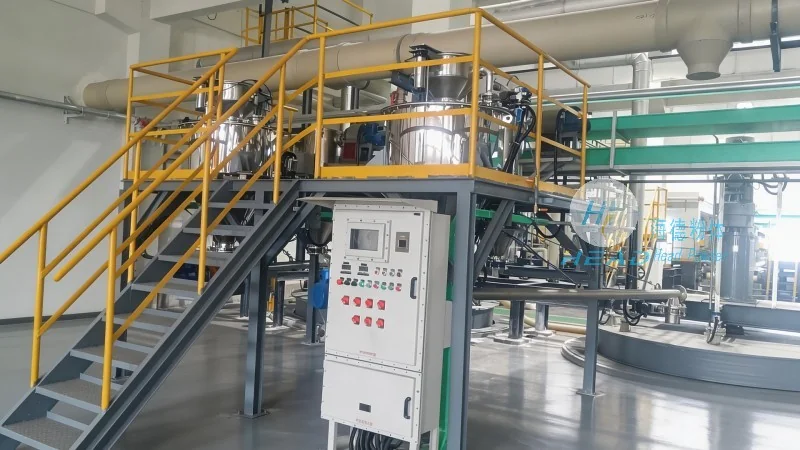
Modern H₂S pneumatic conveying systems incorporate several advanced features that enhance performance and safety. These features include:
1. Advanced Control Systems: Sophisticated control systems monitor pressure, flow, and temperature in real-time, ensuring optimal operation and preventing system failures.
2. Sealed and Airtight Design: The pipelines and components are designed to be airtight, preventing any H₂S from escaping into the environment. This is critical for compliance with environmental regulations.
3. Material Compatibility: The materials used in the construction of the conveying system are chosen to be resistant to H₂S corrosion and chemical attack, ensuring long-term durability.
4. Integrated Safety Protocols: Safety features such as pressure relief valves, emergency shut-off systems, and gas detection sensors are integrated into the system to provide an additional layer of protection.
Conclusion: Choosing the Right H₂S Transportation Solution
When selecting a method for H₂S transportation, it is essential to consider the specific requirements of the application, including safety, efficiency, and cost. Pneumatic conveying, with its proven advantages and advanced features, is often the preferred choice for many industries. By leveraging the expertise of companies like Shandong HeadPowder Engineering Co., Ltd., businesses can ensure that their H₂S transportation systems are both effective and compliant with industry standards. With a focus on safety, efficiency, and reliability, pneumatic conveying systems provide a robust solution for handling hydrogen sulfide in various industrial settings.

 Công ty TNHH Kỹ thuật Công trình Bột Hải Đức Sơn Đông
 156-6277-7102(Quản lý Trương)
  0531-83386006
  Quận Chương Khâu, Thành phố Tế Nam, Tỉnh Sơn Đông, Trung Quốc
Điện thoại
WeChatTư vấn
Lên đầu