Công ty Hải Đức Bột với hơn 10 năm kinh nghiệm vận chuyển khí, cung cấp hệ thống‑thiết bị‑quạt gió và nhận dự án tổng thầu bột cả nước
Iron sand, a vital material in numerous industrial sectors, requires efficient and reliable transportation to sustain smooth production workflows. Among various approaches, pneumatic conveying emerges as a popular and effective solution for handling iron sand. This article will explore common iron sand conveying methods, with a focus on the advantages and applications of pneumatic conveying systems.
Introduction to Iron Sand Conveying
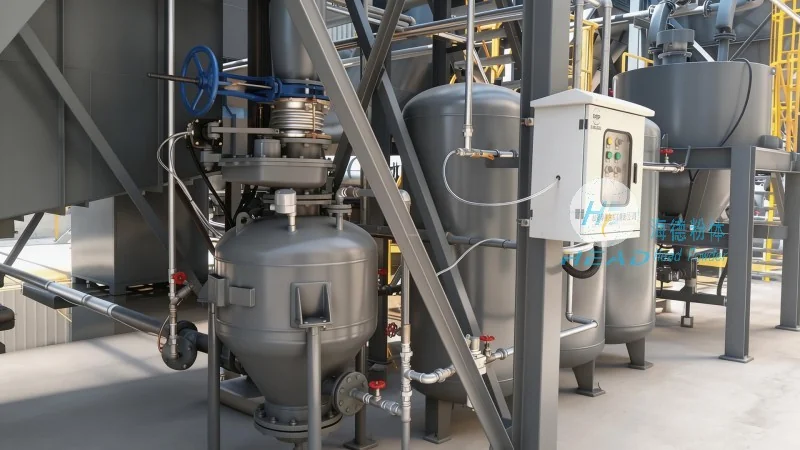
Iron sand, primarily composed of iron oxide and other minerals, is widely utilized in industries such as metallurgy, construction, and manufacturing. The efficient transport of iron sand from its source to processing facilities is essential for maintaining productivity and minimizing downtime. Traditional methods like belt conveyors and bucket elevators have been employed for decades, yet they often encounter challenges including material degradation, high maintenance costs, and limited flexibility. Pneumatic conveying, in contrast, offers a more advanced and versatile solution that effectively addresses these issues.
About Shandong HeadPowder Engineering Co., Ltd.
HeadPowder, a leading provider of material handling solutions, specializes in the design, manufacturing, and installation of pneumatic conveying systems. With years of industry experience, the company has established a reputation for delivering high-quality, customized solutions tailored to clients' specific needs. HeadPowder's commitment to innovation and customer satisfaction has made it a trusted partner for businesses seeking reliable iron sand transportation systems. The company is headquartered in Shandong, China, and serves clients globally with its advanced technology and professional expertise.
Common Iron Sand Conveying Methods
Several methods are utilized for conveying iron sand, each with its own advantages and limitations. The choice of method depends on factors such as the material's properties, the distance to be covered, and the required throughput. The most common approaches include:
Pneumatic Conveying Systems
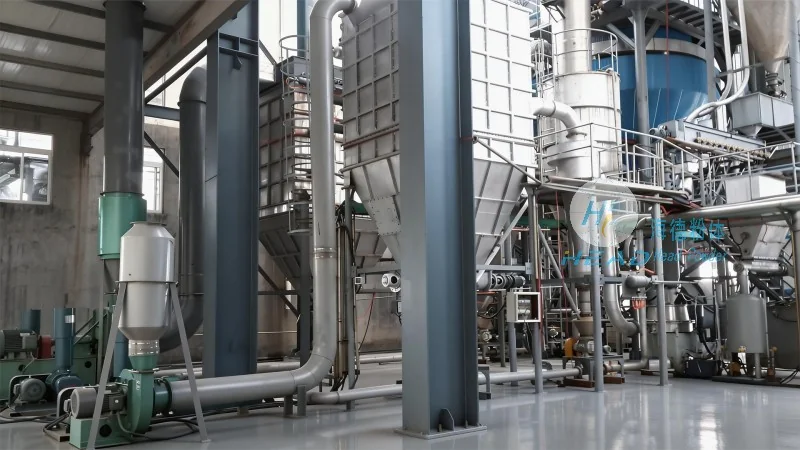
Pneumatic conveying, also known as air conveying, employs compressed air to transport iron sand through a pipeline. This system is highly effective for handling fine or abrasive materials like iron sand, as it minimizes material degradation and reduces the risk of blockages. There are two main types of pneumatic conveying systems: pressure and vacuum. Pressure systems use compressed air to push the material through the pipeline, while vacuum systems use a vacuum to draw the material in. Both types offer flexibility in terms of layout and can be adapted to various industrial settings.
One of the key advantages of pneumatic conveying is its ability to handle iron sand in a closed system, which helps maintain hygiene and prevents dust emissions. This is particularly important in industries where dust control is a regulatory requirement. Additionally, pneumatic systems can transport iron sand over long distances with minimal loss, making them suitable for large-scale operations. HeadPowder specializes in designing and implementing pneumatic conveying systems that optimize performance and efficiency for iron sand transportation.
Belt Conveyors
Belt conveyors are a traditional method for transporting iron sand, consisting of a continuous belt that moves the material from one point to another. This method is widely used in industries where the material is in bulk form and requires long-distance transport. Belt conveyors are known for their high capacity and low cost, making them an attractive option for many businesses. However, they have some limitations, such as the risk of material spillage and the need for regular maintenance to prevent belt wear and tear.
For iron sand, belt conveyors are often used in conjunction with other equipment like feeders and chutes to ensure smooth material flow. The design of the belt conveyor system, including the belt speed and inclination, is critical to maintaining the material's integrity and preventing damage. HeadPowder may also offer belt conveyor solutions that integrate with pneumatic systems to provide a comprehensive material handling solution.
Bucket Elevators
Bucket elevators are another common method for transporting iron sand vertically or over short horizontal distances. This system consists of a vertical or inclined conveyor with buckets attached to a chain or belt. The buckets are filled with iron sand at the bottom and then lifted to the top, where the material is discharged. Bucket elevators are ideal for handling materials that are heavy or abrasive, as they can withstand the stress and prevent material degradation.
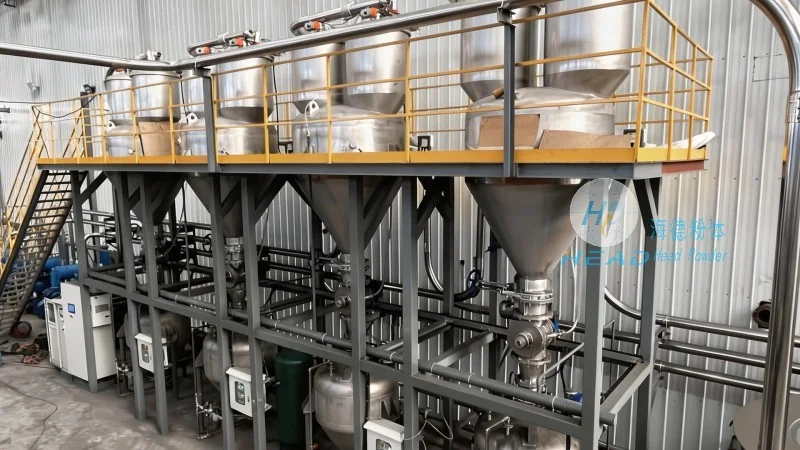
While bucket elevators are effective for vertical transport, they may not be suitable for long horizontal distances due to the risk of material spillage and the need for precise alignment. HeadPowder may offer customized bucket elevator solutions that address the specific challenges of iron sand transportation, ensuring reliable and efficient operation.
Comparison of Conveying Methods
When choosing a conveying method for iron sand, it is essential to consider the specific requirements of the application. Pneumatic conveying is often preferred for its flexibility and ability to handle fine materials, while belt conveyors and bucket elevators are more suitable for bulk or heavy materials. The choice of method also depends on factors such as the distance to be covered, the required throughput, and the available space. HeadPowder can provide expert guidance in selecting the most appropriate conveying system for a given application, ensuring optimal performance and cost-effectiveness.
Conclusion
In conclusion, the efficient transportation of iron sand is critical for maintaining productivity in various industrial applications. Pneumatic conveying systems, with their advanced technology and versatility, offer a superior solution compared to traditional methods like belt conveyors and bucket elevators. HeadPowder, with its expertise and commitment to quality, provides reliable and customized pneumatic conveying systems that meet the specific needs of clients. By choosing the right conveying method and working with a trusted partner like HeadPowder, businesses can ensure smooth and efficient iron sand transportation, enhancing overall operational efficiency and profitability.

 Công ty TNHH Kỹ thuật Công trình Bột Hải Đức Sơn Đông
 156-6277-7102(Quản lý Trương)
  0531-83386006
  Quận Chương Khâu, Thành phố Tế Nam, Tỉnh Sơn Đông, Trung Quốc
Điện thoại
WeChatTư vấn
Lên đầu