Công ty Hải Đức Bột với hơn 10 năm kinh nghiệm vận chuyển khí, cung cấp hệ thống‑thiết bị‑quạt gió và nhận dự án tổng thầu bột cả nước
Dry sand, a crucial material in various industrial applications, requires efficient and reliable transportation systems to ensure smooth production processes. The choice of conveying method significantly impacts operational efficiency, material quality, and overall system costs. This article explores common dry sand conveying methods, with a particular focus on the advantages and applications of dry sand pneumatic conveying systems.
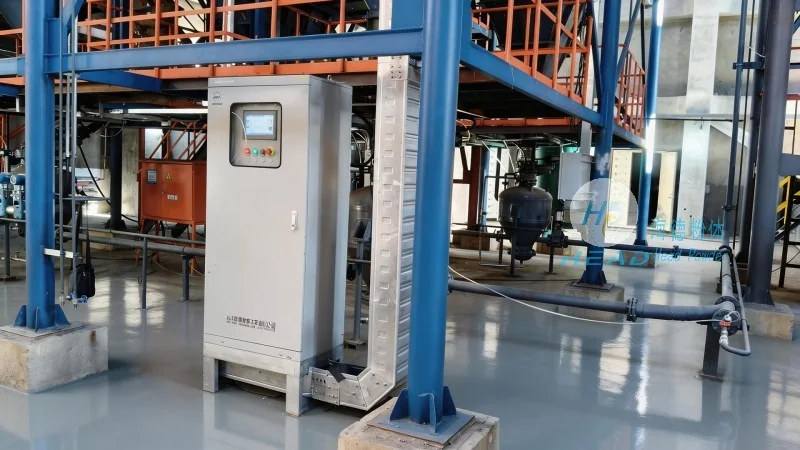
Overview of Dry Sand Conveying Technologies
Dry sand conveying involves transporting granular materials like sand without the presence of a liquid medium. Several methods are employed in industrial settings, each with distinct characteristics and suitability for different scenarios. The primary methods include mechanical conveyors, pneumatic systems, and hydraulic conveyors. Understanding these options helps industries select the most appropriate technology for their specific needs.
Common Dry Sand Conveying Methods
1. Mechanical Conveyors: These systems utilize mechanical components such as belts, screws, or buckets to move dry sand. Belt conveyors are widely used for horizontal or slight incline transport, while screw conveyors are effective for vertical or inclined applications. Mechanical conveyors are generally cost-effective and simple to install, making them suitable for short-distance and low-volume sand transport. However, they may experience material degradation due to friction and are less efficient for long-distance or high-volume operations.
2. Pneumatic Conveying Systems: Pneumatic systems use air or other gases to transport dry sand through pipelines. This method offers flexibility in layout, as it can handle both horizontal and vertical transport with minimal space requirements. Pneumatic conveying is particularly advantageous for dry sand due to its ability to maintain material integrity, prevent contamination, and achieve high transport speeds. The system typically consists of a blower, hopper, and pipeline network, ensuring efficient and controlled movement of the material.
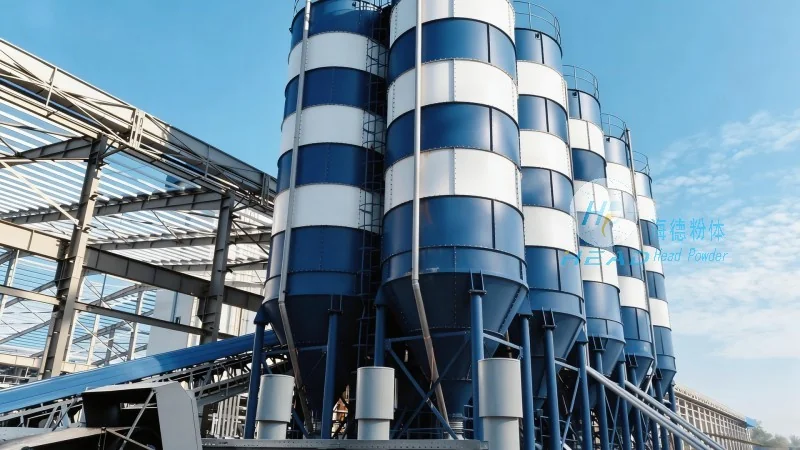
3. Hydraulic Conveying: Although less common for dry sand, hydraulic systems use water or other liquids to transport granular materials. This method is more suitable for wet or mixed materials but can be adapted for dry sand in specific applications. Hydraulic conveyors are known for their high capacity and ability to handle abrasive materials, though they require more maintenance and may introduce moisture into the sand.
Dry Sand Pneumatic Conveying: Advantages and Applications
Dry sand pneumatic conveying stands out as a preferred method for many industries due to its versatility and efficiency. The technology involves creating a pressure differential to move dry sand through a sealed pipeline, ensuring minimal dust emissions and material loss. Key advantages include:
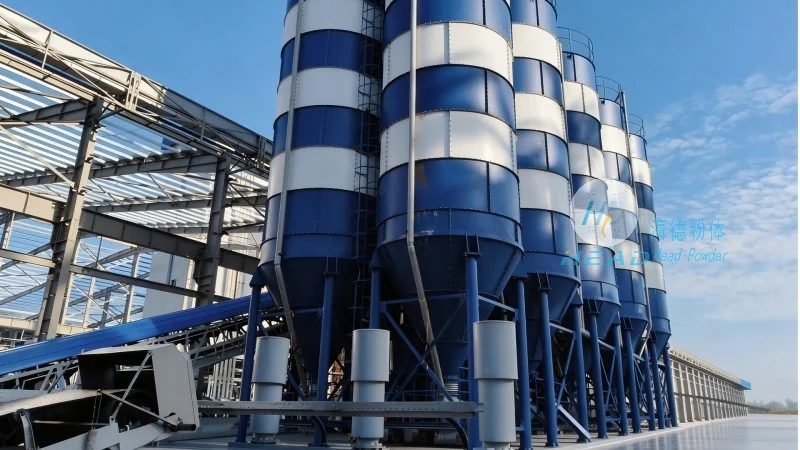
Reduced Material Degradation: The enclosed system prevents friction and impact damage, preserving the quality of the sand.
Improved Safety: Pneumatic systems eliminate the need for open conveyors, reducing dust exposure and enhancing workplace safety.
Flexibility in Layout: The ability to route pipelines vertically, horizontally, or at angles allows for complex system designs to fit industrial spaces.
Efficient Material Handling: High transport speeds and continuous operation enable large volumes of dry sand to be moved quickly and reliably.
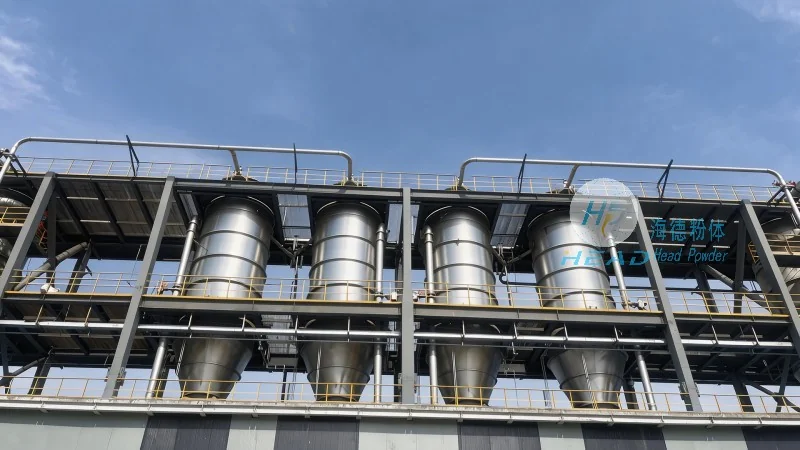
Applications of dry sand pneumatic conveying span various sectors, including construction, mining, and manufacturing. In construction, it is used for transporting sand to job sites, while in mining operations, it aids in material transfer from extraction sites to processing facilities. Manufacturing industries, such as foundries and cement production, rely on this technology to move sand for casting and mixing processes.
HeadPowder: Expert in Dry Sand Conveying Solutions
Shandong HeadPowder Engineering Co., Ltd. (headpowder) is a leading provider of advanced dry sand conveying systems, specializing in pneumatic conveying technologies. With years of experience in the industry, HeadPowder offers customized solutions tailored to the unique requirements of each client. The company’s expertise lies in designing and manufacturing efficient, reliable, and cost-effective dry sand pneumatic conveying systems that meet the highest standards of performance and durability.
HeadPowder’s products are engineered to handle various types of dry sand, ensuring optimal transport efficiency and material integrity. The company’s commitment to quality and innovation has made it a trusted partner for industries seeking to enhance their material handling processes. Based in Shandong, China, HeadPowder leverages its local expertise and resources to deliver cutting-edge solutions that address the evolving needs of modern industrial operations.

 Công ty TNHH Kỹ thuật Công trình Bột Hải Đức Sơn Đông
 156-6277-7102(Quản lý Trương)
  0531-83386006
  Quận Chương Khâu, Thành phố Tế Nam, Tỉnh Sơn Đông, Trung Quốc
Điện thoại
WeChatTư vấn
Lên đầu