Công ty Hải Đức Bột với hơn 10 năm kinh nghiệm vận chuyển khí, cung cấp hệ thống‑thiết bị‑quạt gió và nhận dự án tổng thầu bột cả nước
Loess, a type of sedimentary soil, is widely used in construction, agriculture, and environmental restoration projects. Efficient and reliable conveying methods are crucial for handling loess, ensuring it is transported safely and effectively from source to destination. This article explores common loess conveying methods, with a focus on pneumatic conveying technology, and introduces Shandong HeadPowder Engineering Co., Ltd. as a leading provider in the industry.
HeadPowder, the professional brand of Shandong HeadPowder Engineering Co., Ltd., specializes in the design, manufacturing, and installation of advanced material handling systems. With a strong presence in China, particularly in Shandong province, the company has established itself as a trusted partner for clients seeking high-quality loess conveying solutions. The company's commitment to innovation and customer satisfaction drives its mission to deliver efficient and sustainable material transport solutions.
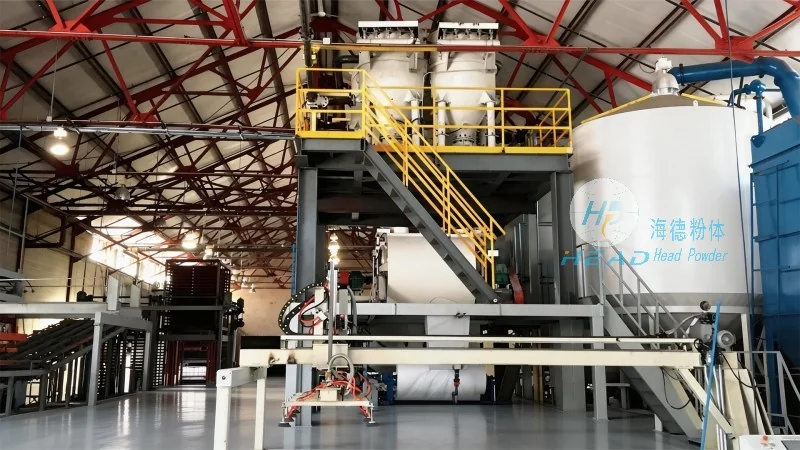
Overview of Common Loess Conveying Methods
Loess conveying involves moving this fine-grained soil through various systems, each with its own advantages and applications. Traditional methods such as belt conveyors, screw conveyors, and bucket elevators have been widely used, but they often face challenges with dust control and material degradation. In contrast, pneumatic conveying offers a more efficient and flexible solution, especially for handling loess in industrial and construction settings.
Loess Pneumatic Conveying: Principles and Advantages
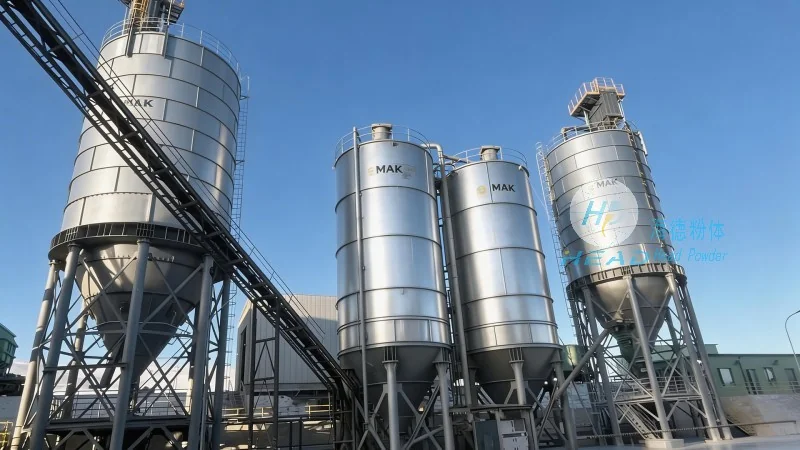
Pneumatic conveying uses compressed air to transport material through a pipeline system. This method is particularly suitable for loess due to its ability to handle fine particles without clogging or degradation. The process typically involves a blower or compressor that generates airflow, which pulls or pushes the loess through the pipeline. Key advantages of pneumatic conveying for loess include reduced dust generation, lower maintenance requirements, and the ability to transport material over long distances without the need for multiple transfer points.
Types of Pneumatic Conveying Systems for Loess
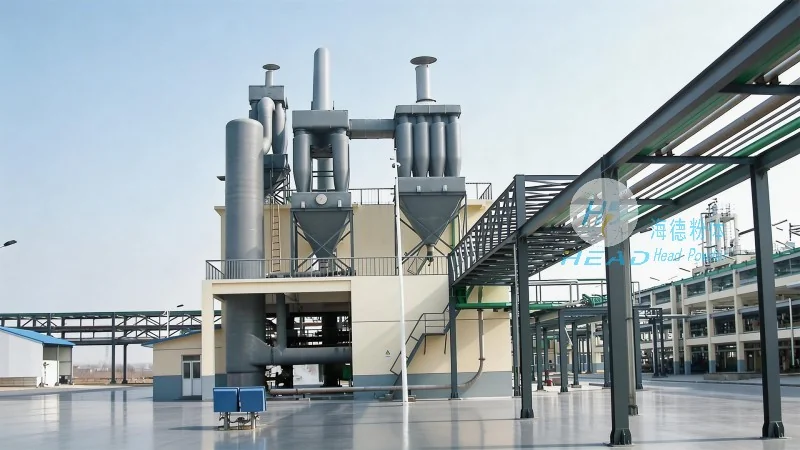
There are two main types of pneumatic conveying systems: pressure and vacuum. Pressure systems use compressed air to push the material forward, while vacuum systems use suction to draw the material into the pipeline. For loess, pressure systems are often preferred as they can handle higher material loads and longer distances. HeadPowder offers customized pressure pneumatic conveying systems tailored to specific project requirements, ensuring optimal performance and efficiency.
Applications and Benefits of Loess Pneumatic Conveying
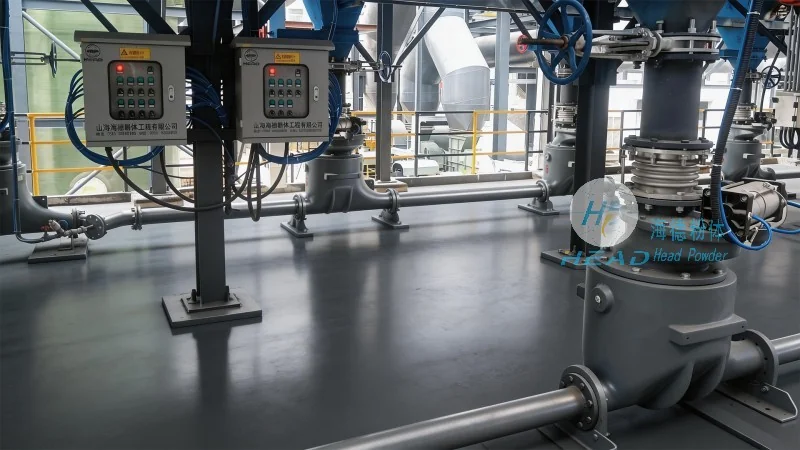
Loess pneumatic conveying is widely used in construction sites for transporting soil from excavation areas to disposal or reuse locations. It is also employed in agricultural settings for moving loess to improve soil quality or in environmental restoration projects for reclamation work. The benefits of this method extend beyond efficiency, as it minimizes environmental impact by reducing dust emissions and preventing soil contamination. HeadPowder's systems are designed to meet these needs, providing reliable and sustainable solutions for various industries.
HeadPowder: Your Trusted Partner for Loess Conveying Solutions
Shandong HeadPowder Engineering Co., Ltd. leverages its expertise in material handling technology to deliver comprehensive loess conveying solutions. With a focus on pneumatic conveying, the company provides customized systems that address the unique challenges of loess transport. HeadPowder's commitment to quality, innovation, and customer service ensures that clients receive the best possible solutions for their material handling needs. Based in Shandong, China, the company serves a wide range of industries, from construction to agriculture, and continues to lead the way in efficient loess conveying technology.

 Công ty TNHH Kỹ thuật Công trình Bột Hải Đức Sơn Đông
 156-6277-7102(Quản lý Trương)
  0531-83386006
  Quận Chương Khâu, Thành phố Tế Nam, Tỉnh Sơn Đông, Trung Quốc
Điện thoại
WeChatTư vấn
Lên đầu