Công ty Hải Đức Bột với hơn 10 năm kinh nghiệm vận chuyển khí, cung cấp hệ thống‑thiết bị‑quạt gió và nhận dự án tổng thầu bột cả nước
When it comes to transporting dry powders, selecting the right conveying method is crucial for efficiency, cost-effectiveness, and operational safety. Dry powders, such as those used in construction, pharmaceuticals, and food processing, require specialized equipment to handle their unique properties, including low bulk density, cohesive behavior, and susceptibility to dust explosions. The choice of conveying system directly impacts production line performance, material handling costs, and overall process reliability. In this article, we explore common dry powder conveying methods, with a focus on pneumatic conveying systems, and highlight the expertise of Shandong HeadPowder Engineering Co., Ltd. (referred to as HeadPowder) in providing tailored solutions for industrial applications.
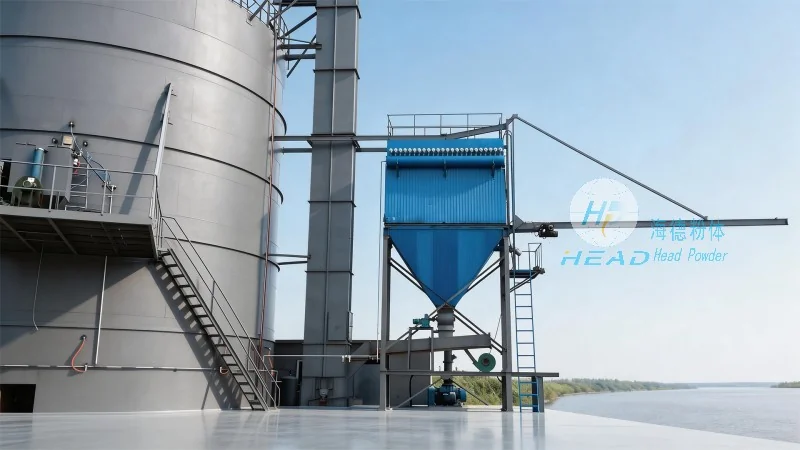
Understanding Dry Powder Conveying: Key Considerations
Dry powder conveying involves moving bulk materials from one location to another without the use of containers or intermediate storage. The primary goal is to achieve a smooth, continuous flow while minimizing material degradation, contamination, and energy consumption. Several factors influence the selection of a conveying method, including the powder's physical properties (e.g., particle size, moisture content, and flowability), the distance and elevation changes required, and the desired system capacity. Common challenges in dry powder handling include dust generation, material segregation, and the need for explosion-proof designs in hazardous environments. These considerations make it essential to choose a conveying system that matches the specific demands of the application.
Common Dry Powder Conveying Methods
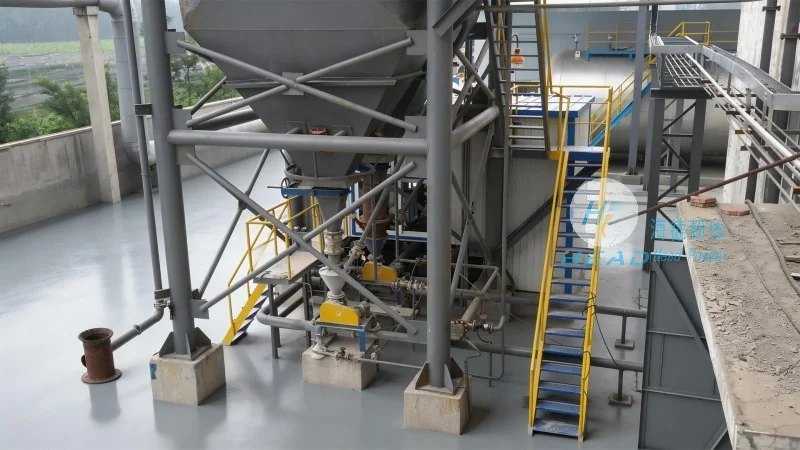
There are several established methods for transporting dry powders, each with its own advantages and limitations. The most common approaches include:
Pneumatic Conveying: This method uses compressed air or other gases to transport powders through a pipeline. Pneumatic systems can be categorized into pressure and vacuum types, offering flexibility for both short and long-distance transport. They are ideal for applications requiring high capacity, low maintenance, and the ability to handle abrasive or corrosive powders.
Mechanical Conveying: Mechanical systems, such as screw conveyors, belt conveyors, and bucket elevators, rely on mechanical components to move powders. These systems are often more cost-effective for short distances and lower capacities but may struggle with fine powders or those prone to caking. Mechanical conveyors are widely used in industries like agriculture and food processing where dust control is less critical.
Hybrid Systems: Some applications combine pneumatic and mechanical components to leverage the strengths of both methods. For example, a pneumatic system might be used to transport powders over long distances, while a mechanical conveyor handles the final stage of delivery to a processing unit. Hybrid systems provide greater versatility but require more complex design and maintenance.
Pneumatic Conveying: The Preferred Solution for Many Industries
Pneumatic conveying, particularly pressure and vacuum systems, has become the preferred method for many industrial applications due to its efficiency and adaptability. Pressure pneumatic systems use positive pressure to push powders through the pipeline, making them suitable for long-distance transport and high-capacity operations. Vacuum systems, on the other hand, use negative pressure to draw powders into the pipeline, which is ideal for short distances and applications where the material source is elevated.
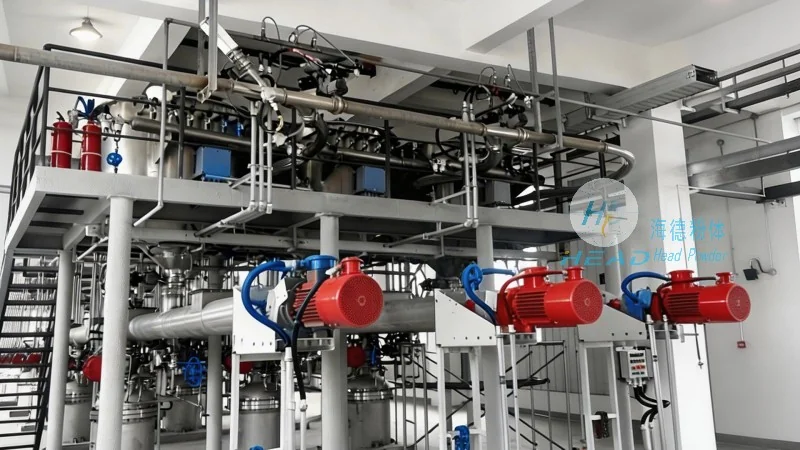
Key advantages of pneumatic conveying include:
Continuous Flow: Pneumatic systems can maintain a continuous, unbroken flow of material, reducing downtime and improving production throughput.
Low Maintenance: Compared to mechanical systems, pneumatic conveyors have fewer moving parts, leading to lower maintenance costs and longer service life.
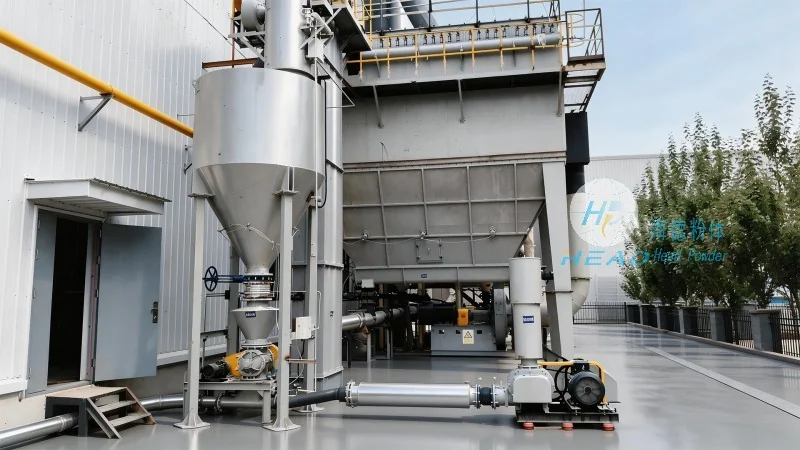
Flexibility: Pneumatic systems can be easily reconfigured to accommodate changes in production volume or process layout, making them suitable for dynamic industrial environments.
Explosion-Proof Options: For hazardous environments, explosion-proof pneumatic systems are available, ensuring safety without compromising performance.
HeadPowder's Expertise in Dry Powder Conveying Solutions
Shandong HeadPowder Engineering Co., Ltd. specializes in designing and manufacturing custom dry powder conveying systems tailored to the unique needs of each client. With years of experience in the industry, HeadPowder understands the challenges of handling dry powders and provides comprehensive solutions that address material properties, operational requirements, and safety standards. The company's team of engineers works closely with clients to assess their specific conveying needs, from initial material analysis to final system installation and commissioning.
HeadPowder's product line includes a range of pneumatic conveying equipment, such as rotary valves, dust collectors, and control systems, all designed to ensure reliable and efficient powder transport. The company's commitment to quality and innovation has earned it a reputation as a trusted partner in the dry powder handling industry. By leveraging advanced technology and industry best practices, HeadPowder delivers systems that meet or exceed client expectations, helping businesses improve productivity and reduce operational costs.

 Công ty TNHH Kỹ thuật Công trình Bột Hải Đức Sơn Đông
 156-6277-7102(Quản lý Trương)
  0531-83386006
  Quận Chương Khâu, Thành phố Tế Nam, Tỉnh Sơn Đông, Trung Quốc
Điện thoại
WeChatTư vấn
Lên đầu