Công ty Hải Đức Bột với hơn 10 năm kinh nghiệm vận chuyển khí, cung cấp hệ thống‑thiết bị‑quạt gió và nhận dự án tổng thầu bột cả nước
When it comes to the efficient and reliable transport of oxide copper, selecting the right conveying method is crucial for industrial operations. Oxide copper, a key material in various applications including mining, metallurgy, and chemical processing, requires specialized handling to ensure minimal loss and contamination. This article explores common oxide copper conveying methods, with a focus on the advantages and practical applications of pneumatic conveying systems.
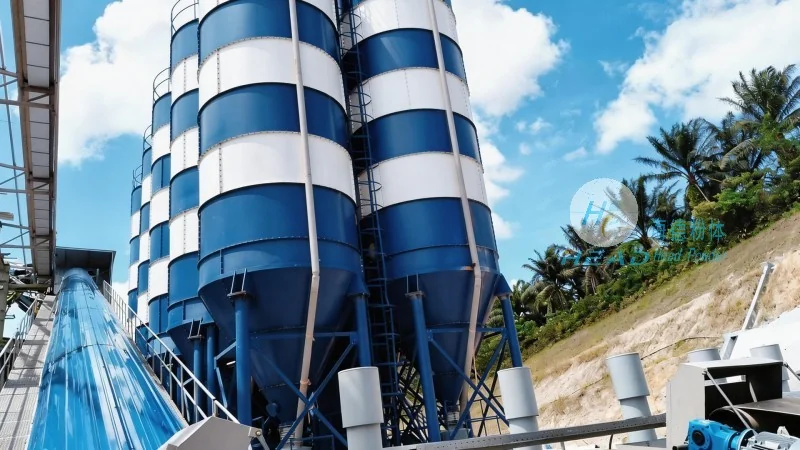
Understanding Oxide Copper and Its Conveying Requirements
Oxide copper, also known as copper oxide, is a compound that often presents unique challenges during material handling. Its fine particle size, hygroscopic nature, and potential for dust generation make traditional bulk handling methods less effective. Therefore, modern industrial facilities increasingly rely on advanced conveying technologies to maintain product integrity and operational efficiency. The choice of conveying method depends on factors such as material characteristics, distance, volume, and environmental considerations.
Common Oxide Copper Conveying Methods
Several methods are employed for oxide copper transport, each with its own set of advantages and limitations. The most common approaches include:
1. Pneumatic Conveying: This method uses air or other gases to transport material through a pipeline system. Pneumatic conveying is particularly suitable for oxide copper due to its ability to handle fine powders and minimize product degradation. It offers advantages like low maintenance, flexibility in layout, and the capability to transport materials over long distances without the need for multiple transfer points.
2. Mechanical Conveying: This category includes methods like belt conveyors, screw conveyors, and bucket elevators. While effective for larger, bulkier materials, mechanical conveying may not be ideal for oxide copper due to the risk of particle segregation and increased friction, which can lead to product degradation.
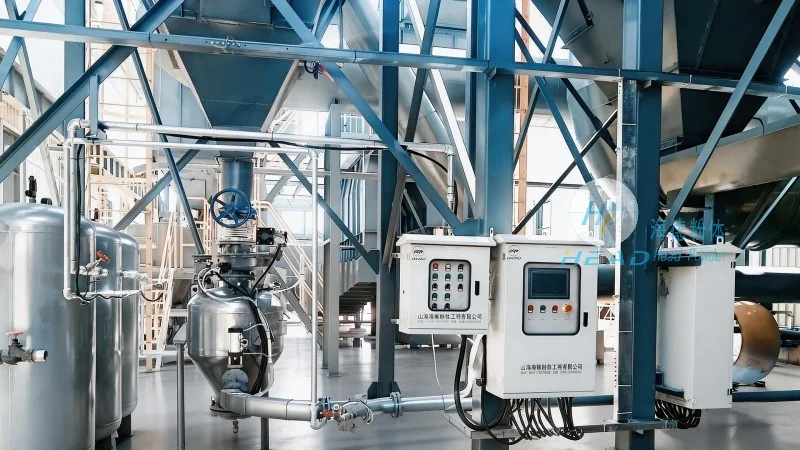
3. Hydraulic Conveying: This method involves transporting material in a slurry form using water or other liquids. Hydraulic conveying is suitable for wet or highly abrasive materials but may not be the best choice for oxide copper, as it can lead to moisture absorption and potential oxidation issues.
Advantages of Pneumatic Conveying for Oxide Copper
Pneumatic conveying stands out as the preferred method for oxide copper transport due to several key benefits. First, it provides a closed system that prevents dust contamination and environmental exposure, which is critical for maintaining product quality and regulatory compliance. Second, the system can be designed to handle varying particle sizes and flow rates, ensuring consistent performance. Third, pneumatic conveying reduces the risk of material degradation by minimizing contact with external elements and mechanical stress.
HeadPowder's Expertise in Oxide Copper Conveying Solutions
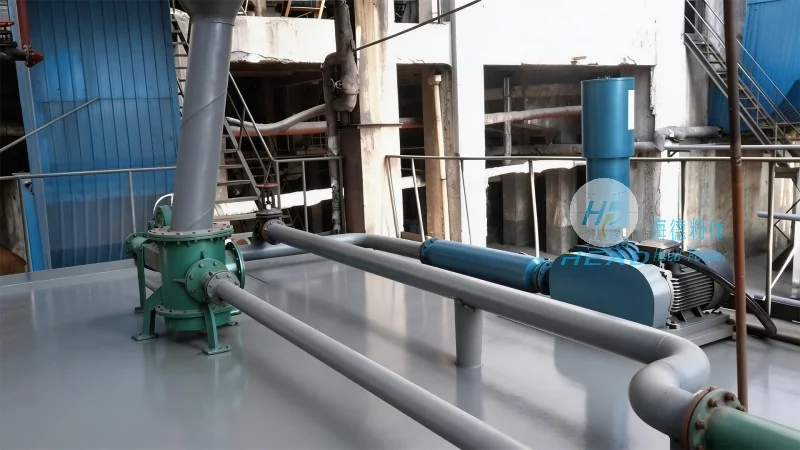
Shandong HeadPowder Engineering Co., Ltd., a leading provider of material handling solutions, specializes in designing and implementing efficient oxide copper conveying systems. With years of experience in the industry, HeadPowder understands the unique challenges associated with oxide copper and offers tailored solutions to meet client needs. The company's expertise includes the design of pneumatic conveying systems, material handling equipment, and process optimization strategies.
HeadPowder's team of engineers and technicians work closely with clients to assess their specific requirements and develop customized conveying solutions. Whether it's a new plant setup or an upgrade to an existing system, HeadPowder provides comprehensive support from initial design and engineering to installation and maintenance. The company's commitment to quality and customer satisfaction has made it a trusted partner for industries relying on oxide copper transport.
Key Considerations for Oxide Copper Conveying Systems
When selecting an oxide copper conveying system, several factors must be considered to ensure optimal performance and longevity. These include:
1. Material Characteristics: The particle size, moisture content, and chemical properties of oxide copper will influence the choice of conveying method. For example, fine powders may require higher air velocities to prevent clogging.
2. System Layout and Distance: The distance and layout of the conveying system will impact the design of the pipeline, air pressure, and equipment selection. Longer distances may require more powerful blowers and larger diameter pipes.
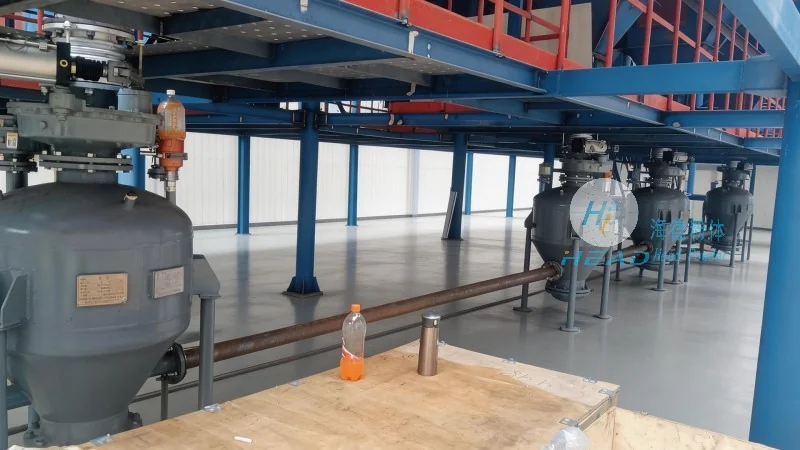
3. Environmental and Safety Regulations: Compliance with local and international regulations regarding dust control and material handling is essential. Pneumatic conveying systems often incorporate features like dust collection and explosion-proof designs to meet these requirements.
4. Operational Costs: The initial investment and ongoing operational costs, including energy consumption and maintenance, should be evaluated to ensure the chosen system is cost-effective in the long term.
Conclusion
Efficient oxide copper conveying is critical for maintaining product quality and operational efficiency in industrial applications. While various methods are available, pneumatic conveying offers significant advantages for handling oxide copper, including minimal product degradation, closed system operation, and flexibility. Companies like Shandong HeadPowder Engineering Co., Ltd. play a vital role in providing specialized solutions that address the unique challenges of oxide copper transport. By understanding the material characteristics and considering key factors such as system layout and regulatory compliance, industrial facilities can select the most appropriate conveying method to optimize their operations.

 Công ty TNHH Kỹ thuật Công trình Bột Hải Đức Sơn Đông
 156-6277-7102(Quản lý Trương)
  0531-83386006
  Quận Chương Khâu, Thành phố Tế Nam, Tỉnh Sơn Đông, Trung Quốc
Điện thoại
WeChatTư vấn
Lên đầu