Công ty Hải Đức Bột với hơn 10 năm kinh nghiệm vận chuyển khí, cung cấp hệ thống‑thiết bị‑quạt gió và nhận dự án tổng thầu bột cả nước
Silicomanganese, a critical alloy used in steelmaking and various industrial processes, requires efficient and reliable conveying methods to ensure smooth production workflows. For manufacturers and processors of silicomanganese, selecting the appropriate conveying system is essential to maintain productivity, minimize material loss, and enhance overall operational efficiency. This article explores common silicomanganese conveying methods, with a focus on the advantages and applications of pneumatic conveying systems.
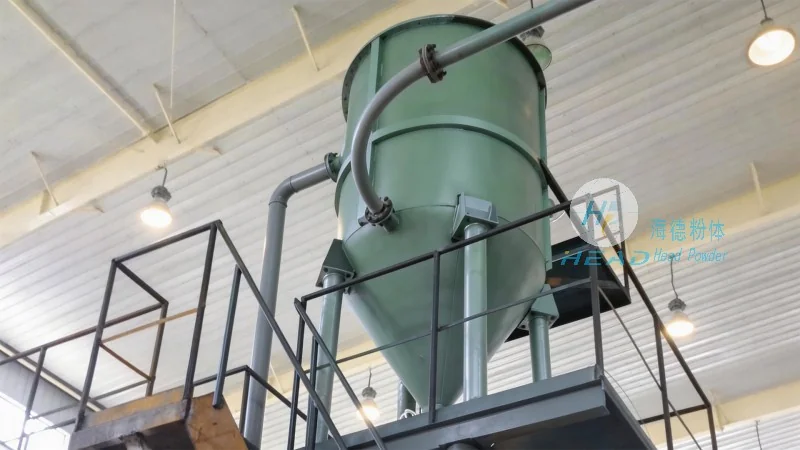
HeadPowder, a leading provider of powder handling solutions, specializes in developing tailored conveying systems for industrial materials like silicomanganese. With decades of experience in the field, the company understands the unique challenges associated with handling this high-value alloy. Based on the company's expertise, this overview aims to provide insights into the most effective silicomanganese conveying methods, particularly pneumatic conveying, which has become increasingly popular in modern industrial settings.
Silicomanganese Pneumatic Conveying: How It Works
Pneumatic conveying, also known as air conveying, utilizes compressed air to transport solid materials through a pipeline system. In the case of silicomanganese, this method involves feeding the material into a hopper, where it is then drawn into a pipeline by the force of the moving air. The air, typically under pressure, carries the material particles through the system, delivering them to the desired destination—such as a storage silo, processing unit, or packaging area. This process eliminates the need for mechanical components like belts or buckets, reducing maintenance requirements and minimizing the risk of material contamination.
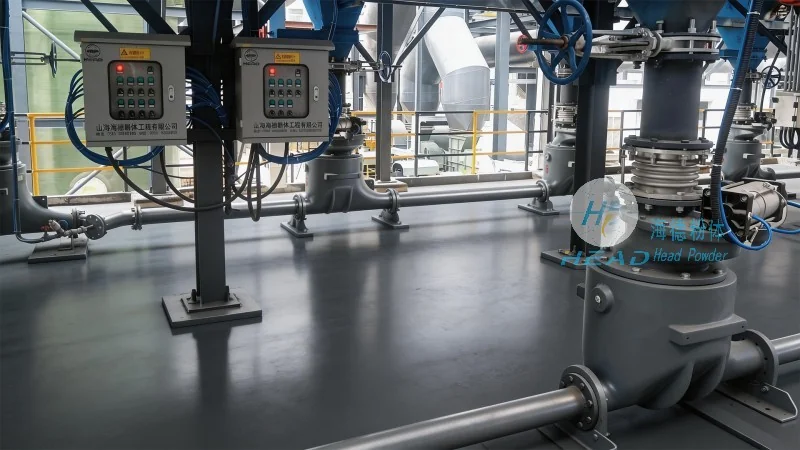
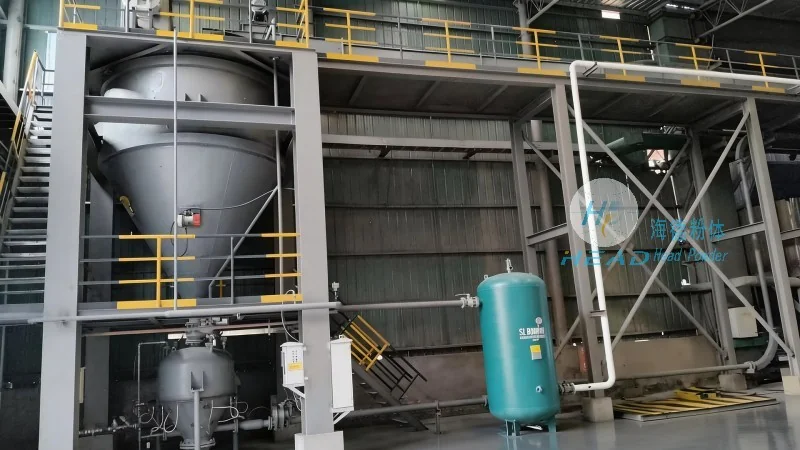
The pneumatic conveying system for silicomanganese typically consists of several key components: a hopper for material storage, a feeder to control the flow rate, a pipeline network, and a receiver or silo for material collection. The system may also include filters and cyclones to separate the material from the air, ensuring that the conveyed silicomanganese remains clean and free from dust or debris. HeadPowder's engineers design customized pneumatic conveying systems that optimize the flow rate, pressure, and pipeline layout to suit the specific characteristics of the silicomanganese being handled, such as particle size, density, and moisture content.
Advantages of Pneumatic Conveying for Silicomanganese
Compared to traditional conveying methods like belt conveyors or bucket elevators, pneumatic conveying offers several advantages for silicomanganese handling. One of the primary benefits is the ability to transport materials over long distances with minimal loss. The enclosed pipeline system prevents material spillage and dust emissions, which is particularly important for silicomanganese, as it can be a hazardous material if not handled properly. Additionally, pneumatic conveying systems are more flexible in terms of layout, allowing for changes in the production line without major structural modifications.
Another key advantage is the reduced risk of material degradation. Since the material is not exposed to external elements or mechanical friction, the quality of the silicomanganese remains intact. This is critical for applications where the alloy's purity and composition are essential, such as in the production of high-strength steel. Furthermore, pneumatic conveying systems are more energy-efficient than some other methods, as they can utilize the pressure of the air to move the material, reducing the need for additional mechanical power.
Applications of Silicomanganese Pneumatic Conveying
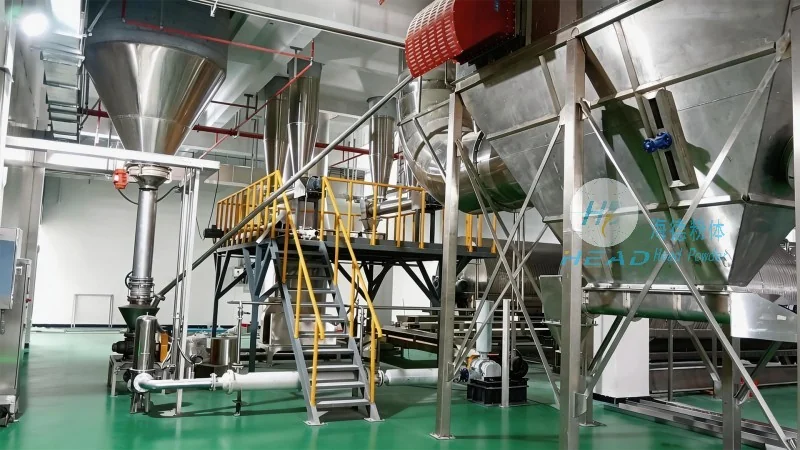
Silicomanganese pneumatic conveying systems are widely used in various industrial applications. In steel mills, for example, these systems are employed to transport silicomanganese from storage silos to the blast furnace or other processing units. The ability to handle large volumes of material quickly and efficiently ensures that the production line operates continuously without interruptions. In addition, the systems are used in chemical plants and foundries where silicomanganese is used as a deoxidizer or alloying agent. The flexibility of pneumatic conveying allows for integration with other processing equipment, such as mixers or reactors, to streamline the production process.
HeadPowder's pneumatic conveying solutions have been successfully implemented in numerous silicomanganese processing facilities across China. The company's engineers work closely with clients to assess their specific needs, from material characteristics to production capacity, and design a system that maximizes efficiency and reliability. By leveraging advanced technology and years of experience, HeadPowder ensures that its conveying systems meet the highest standards of performance and safety.
Conclusion
Choosing the right silicomanganese conveying method is essential for optimizing industrial operations. While there are various options available, pneumatic conveying has emerged as a preferred choice due to its efficiency, flexibility, and ability to maintain material quality. HeadPowder, with its expertise in powder handling and silicomanganese processing, provides customized pneumatic conveying systems that address the unique challenges of handling this valuable alloy. By investing in a reliable conveying system, manufacturers can enhance productivity, reduce costs, and ensure the consistent quality of their silicomanganese products.

 Công ty TNHH Kỹ thuật Công trình Bột Hải Đức Sơn Đông
 156-6277-7102(Quản lý Trương)
  0531-83386006
  Quận Chương Khâu, Thành phố Tế Nam, Tỉnh Sơn Đông, Trung Quốc
Điện thoại
WeChatTư vấn
Lên đầu