Công ty Hải Đức Bột với hơn 10 năm kinh nghiệm vận chuyển khí, cung cấp hệ thống‑thiết bị‑quạt gió và nhận dự án tổng thầu bột cả nước
Clay sand, a critical material in numerous industrial processes, demands efficient and reliable conveying systems to ensure smooth operations. The choice of conveying method significantly impacts production efficiency, material quality, and operational costs. Among the diverse options available, pneumatic conveying stands out as a highly effective solution for transporting clay sand. This article explores common clay sand conveying methods, with a focus on the advantages and applications of pneumatic conveying, while highlighting the expertise of Shandong HeadPowder Engineering Co., Ltd., a leading provider in this field.
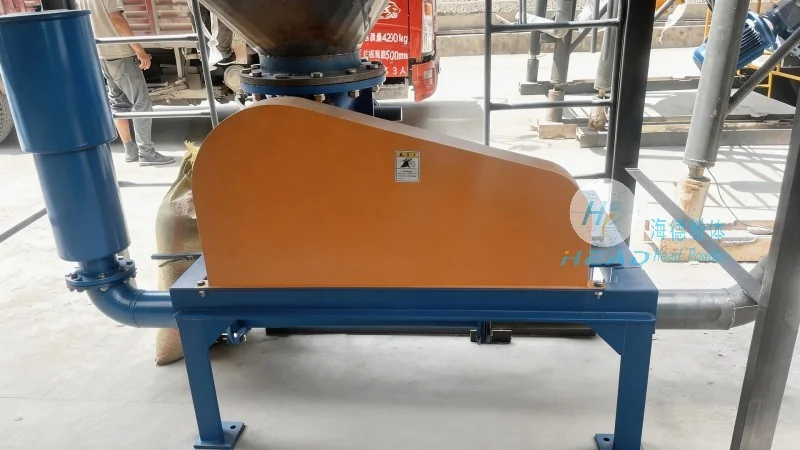
Company Background: Shandong HeadPowder Engineering Co., Ltd.
HeadPowder, a prominent enterprise based in Shandong, China, specializes in the design, manufacturing, and implementation of advanced material handling solutions. With years of experience and a commitment to innovation, HeadPowder has established itself as a trusted partner for industries relying on efficient clay sand transportation. The company’s expertise encompasses a wide range of conveying technologies, including pneumatic systems, and is dedicated to delivering tailored solutions that meet the specific needs of clients across various sectors.
Overview of Common Clay Sand Conveying Methods
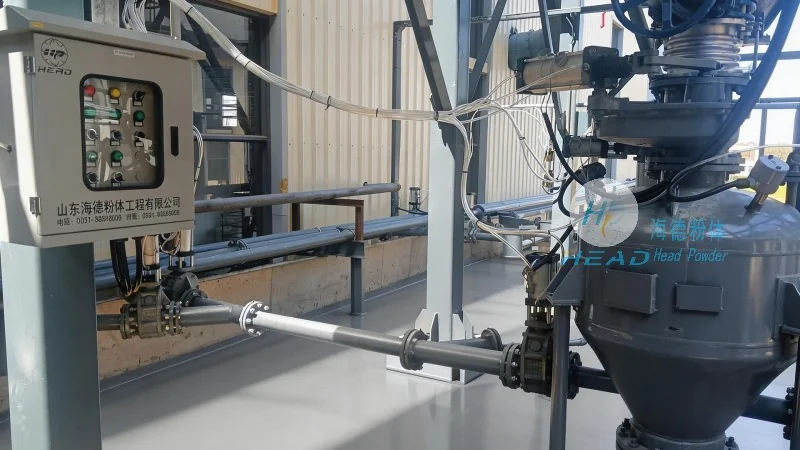
Clay sand can be transported using several methods, each with its own advantages and limitations. Traditional approaches include gravity-based systems, mechanical conveyors, and hydraulic methods. Gravity conveyors rely on the natural slope of the material to move it, which is suitable for short distances and low volumes but may not be efficient for complex layouts. Mechanical conveyors, such as belt conveyors and screw conveyors, are widely used for bulk material handling but can face challenges with abrasive or sticky materials like clay sand, leading to increased wear and maintenance costs. Hydraulic systems, while effective for certain applications, often require specialized infrastructure and may not be suitable for all environments.
Pneumatic Conveying: The Preferred Solution for Clay Sand
Pneumatic conveying, also known as air conveying, uses compressed air to transport materials through a pipeline. This method offers several key advantages for clay sand, including high efficiency, minimal material degradation, and the ability to handle abrasive or sticky substances without significant wear on equipment. The system typically consists of a blower, a hopper for material storage, and a pipeline network that directs the material to its destination. As air flows through the pipeline, it entrains the clay sand particles, creating a slurry that moves along the system. Pneumatic conveying is particularly effective for long-distance and high-volume transport, making it ideal for industrial applications where traditional methods may fall short.
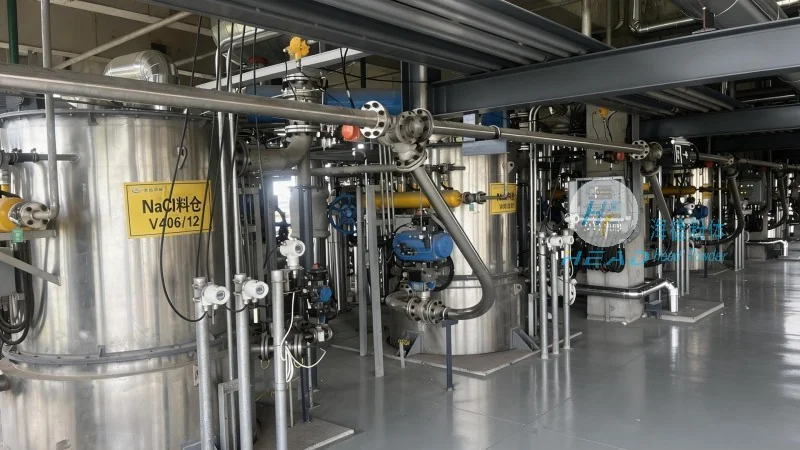
Key Advantages of Pneumatic Conveying for Clay Sand
One of the primary benefits of pneumatic conveying is its ability to maintain the integrity of clay sand. Unlike mechanical systems that may cause abrasion or compaction, pneumatic transport minimizes material degradation, ensuring that the final product remains consistent in quality. Additionally, this method reduces the risk of contamination, as the closed pipeline system prevents exposure to external elements. Operational flexibility is another significant advantage, as pneumatic systems can be easily adjusted to accommodate varying material volumes and flow rates. The energy efficiency of modern pneumatic conveying systems also contributes to lower operational costs, making it a cost-effective solution for long-term use.
Applications and Industries Utilizing Pneumatic Clay Sand Conveying
Pneumatic conveying of clay sand is widely adopted across various industries, including foundries, ceramics, and construction materials manufacturing. In foundries, clay sand is used for mold making, and pneumatic systems ensure that the material is delivered to molding stations without dust or contamination. The ceramics industry relies on consistent clay sand quality for producing high-quality products, and pneumatic conveying maintains the material’s properties throughout the process. Construction material manufacturers also benefit from efficient clay sand transport, as it supports the production of concrete and other building materials. HeadPowder’s expertise in pneumatic conveying has enabled the company to provide customized solutions for these industries, enhancing productivity and reducing operational challenges.
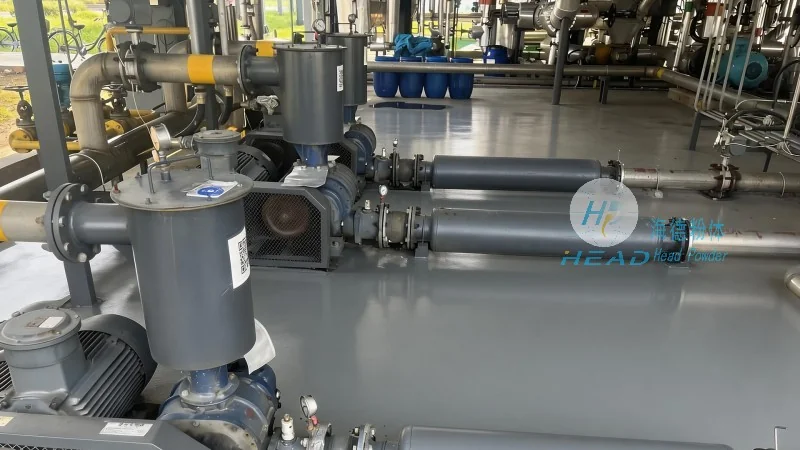
Conclusion: Choosing the Right Conveying Method for Clay Sand
When selecting a clay sand conveying method, it is essential to consider factors such as material characteristics, distance, volume, and operational requirements. While traditional methods like gravity and mechanical conveyors have their place, pneumatic conveying offers superior performance and reliability for many applications. Shandong HeadPowder Engineering Co., Ltd. continues to lead in the development and implementation of advanced pneumatic conveying systems, ensuring that clients receive tailored solutions that optimize their clay sand handling processes. By leveraging the company’s expertise and innovative technologies, industries can enhance efficiency, reduce costs, and maintain the quality of their clay sand products.

 Công ty TNHH Kỹ thuật Công trình Bột Hải Đức Sơn Đông
 156-6277-7102(Quản lý Trương)
  0531-83386006
  Quận Chương Khâu, Thành phố Tế Nam, Tỉnh Sơn Đông, Trung Quốc
Điện thoại
WeChatTư vấn
Lên đầu