Công ty Hải Đức Bột với hơn 10 năm kinh nghiệm vận chuyển khí, cung cấp hệ thống‑thiết bị‑quạt gió và nhận dự án tổng thầu bột cả nước
Activated carbon, a critical material in industrial processes such as air and water purification, chemical synthesis, and food processing, requires efficient and reliable conveying methods to maintain its quality and performance. The choice of conveying method significantly impacts operational efficiency, safety, and the overall cost of production. Among the various options available, pneumatic conveying stands out as a preferred solution for activated carbon transport due to its unique advantages in handling fine powders and maintaining product integrity.
Overview of Activated Carbon Conveying Methods
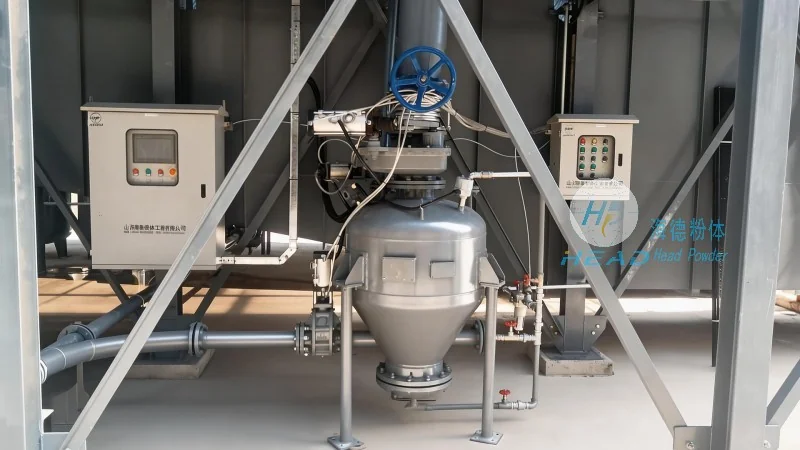
Common activated carbon conveying methods can be broadly categorized into mechanical and pneumatic systems. Mechanical methods include gravity feed, belt conveyors, screw conveyors, and bucket elevators. These systems are effective for bulk material handling but may pose challenges in maintaining the purity and structure of activated carbon, especially when dealing with fine particles. In contrast, pneumatic conveying uses air or other gases to transport the material, offering a more controlled and gentle approach to handling sensitive powders like activated carbon.
Introduction to Pneumatic Conveying for Activated Carbon
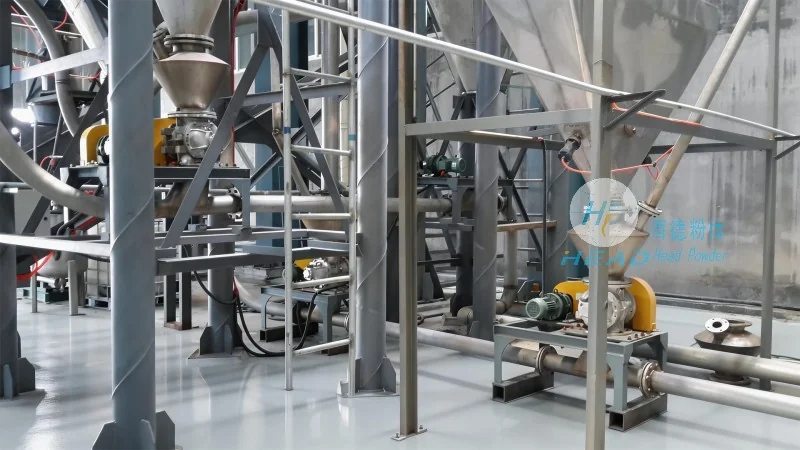
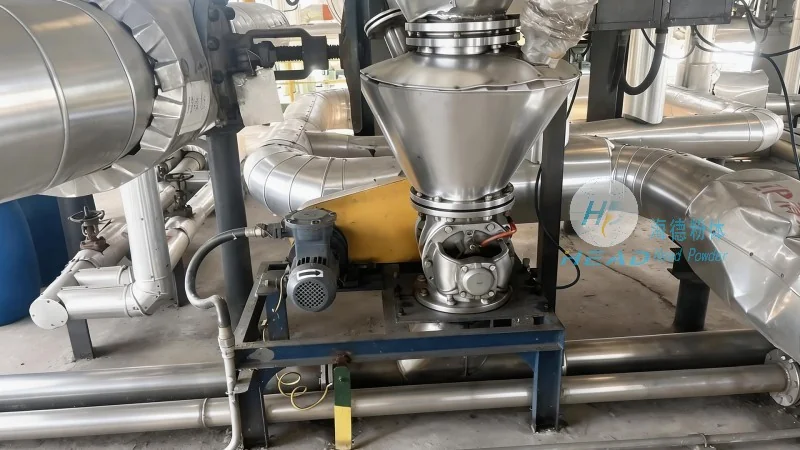
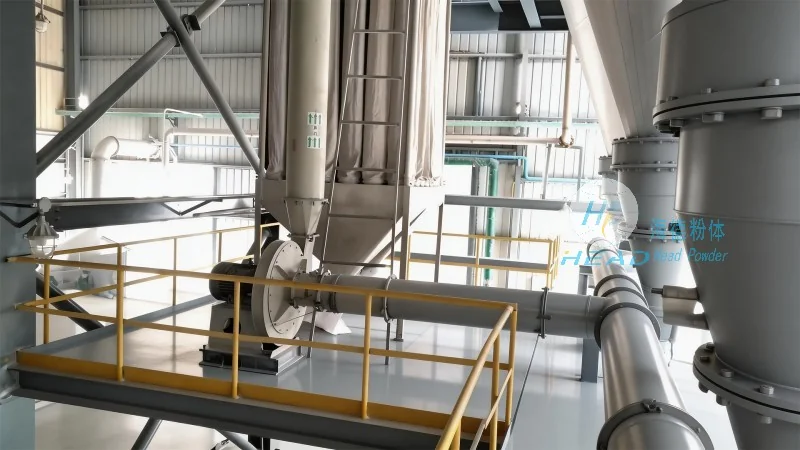
Pneumatic conveying for activated carbon involves the use of a pressurized air system to move the carbon particles through a pipeline. The process typically starts with an inlet feeder that introduces the material into the conveying line. As the air flows through the pipe, it entrains the carbon particles, transporting them to the destination point. The system includes key components such as a blower or compressor, a filter to remove dust from the air, and a receiver or silo for the final product. HeadPowder, a leading provider of material handling solutions, specializes in designing and manufacturing customized pneumatic conveying systems tailored to the specific needs of activated carbon applications.
Key Advantages of Pneumatic Conveying
One of the primary advantages of pneumatic conveying for activated carbon is its ability to preserve the material's physical properties. Unlike mechanical systems that may cause abrasion or compaction, pneumatic transport minimizes particle breakage and maintains the carbon's porosity and surface area. This is crucial for applications where the activated carbon's adsorption capacity is a key performance metric. Additionally, pneumatic systems offer high flexibility in terms of layout and distance, allowing for horizontal, vertical, or combined horizontal-vertical transport. They also reduce the risk of dust exposure and environmental contamination, making them safer and more compliant with industrial regulations.
Application Scenarios and Technical Considerations
Activated carbon pneumatic conveying is widely used in various industries, including chemical manufacturing, environmental remediation, and food processing. For instance, in a chemical plant, activated carbon is often transferred from a reactor to a storage tank or a downstream filtration unit. The system must be designed to handle the specific characteristics of the carbon, such as particle size distribution, moisture content, and bulk density. Technical considerations include the selection of appropriate air velocity to prevent particle deposition, the pressure drop across the system, and the power consumption of the blower. HeadPowder engineers work closely with clients to assess these factors and develop optimal solutions, ensuring that the conveying system operates efficiently and reliably under varying conditions.
In conclusion, pneumatic conveying represents a sophisticated and effective method for transporting activated carbon, offering benefits that traditional mechanical systems cannot match. By leveraging advanced engineering and customized design, companies like Shandong HeadPowder Engineering Co., Ltd., based in Shandong, China, provide high-quality pneumatic conveying solutions that enhance operational performance and product quality. The adoption of such systems not only improves the efficiency of activated carbon handling but also contributes to a safer and more sustainable industrial environment.

 Công ty TNHH Kỹ thuật Công trình Bột Hải Đức Sơn Đông
 156-6277-7102(Quản lý Trương)
  0531-83386006
  Quận Chương Khâu, Thành phố Tế Nam, Tỉnh Sơn Đông, Trung Quốc
Điện thoại
WeChatTư vấn
Lên đầu