Công ty Hải Đức Bột với hơn 10 năm kinh nghiệm vận chuyển khí, cung cấp hệ thống‑thiết bị‑quạt gió và nhận dự án tổng thầu bột cả nước
When it comes to handling and transporting PVC resin, selecting the right conveying method is crucial for efficiency, safety, and cost-effectiveness. Among the various options available, pneumatic conveying stands out as a popular and effective solution for many industrial applications. This article explores common PVC resin conveying methods, with a focus on the advantages and applications of pneumatic conveying, and is presented by Shandong HeadPowder Engineering Co., Ltd., a leading provider of material handling solutions based in Shandong, China.
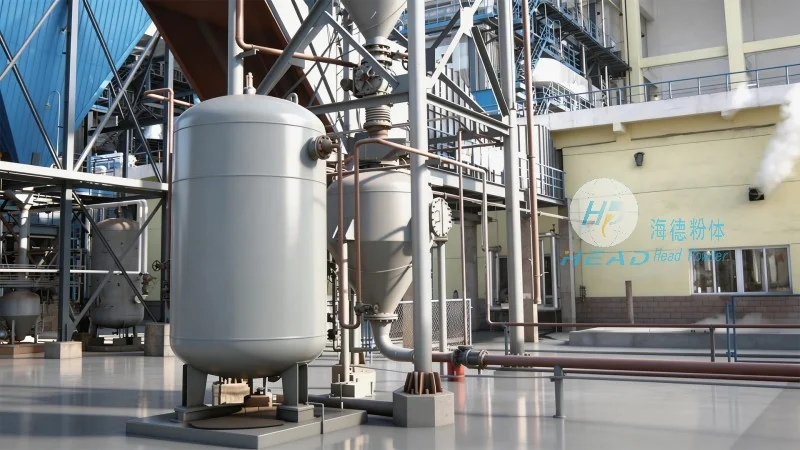
Pneumatic Conveying: How It Works and Its Advantages
Pneumatic conveying, also known as air conveying, is a method that uses compressed air to transport solid materials like PVC resin through a pipeline system. The process typically involves a hopper or storage silo where the resin is loaded, a blower or compressor that generates the air flow, and a pipeline network that carries the material to the destination. There are two main types of pneumatic conveying: pressure and vacuum systems. Pressure systems use compressed air to push the material forward, while vacuum systems use a vacuum to pull the material through the pipeline. Both methods are suitable for PVC resin, but the choice depends on factors such as the distance to be covered, the volume of material to be transported, and the specific characteristics of the resin.
Key Benefits of Pneumatic Conveying for PVC Resin
One of the primary advantages of pneumatic conveying for PVC resin is its ability to handle fine or powdery materials without the need for mechanical components that could cause clogging or wear. Unlike belt conveyors or screw conveyors, which may be prone to blockages or require frequent maintenance, pneumatic systems can transport PVC resin smoothly and continuously. Additionally, pneumatic conveying is more hygienic and cleaner, as the material is enclosed within the pipeline, reducing dust and contamination. This is particularly important in food and pharmaceutical industries, but also beneficial in general manufacturing settings. Another benefit is the flexibility of the system, as pipelines can be easily reconfigured or extended to accommodate changes in production needs or facility layout. The energy efficiency of pneumatic conveying is also noteworthy, as it can reduce operational costs compared to other methods that rely on heavy machinery or manual labor.
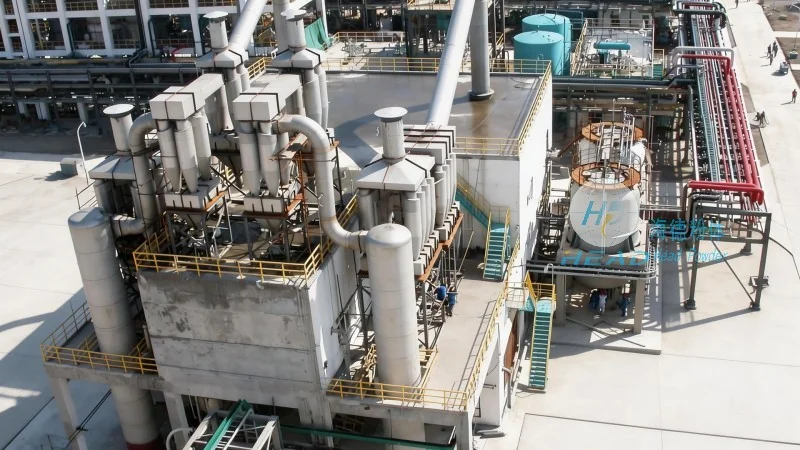
Applications of Pneumatic Conveying in PVC Resin Processing
Pneumatic conveying is widely used in various stages of PVC resin processing, from raw material handling to finished product transport. In the initial stages, PVC resin is often stored in silos or hoppers and conveyed to processing equipment such as mixers or extruders. The ability to transport the resin directly from storage to processing without intermediate handling reduces downtime and improves production efficiency. During the processing stage, pneumatic conveying can also be used to transfer the resin between different processing units, such as from a dryer to a mixer or from a mixer to an extruder. This seamless transfer ensures consistent material flow and minimizes the risk of material degradation or contamination. In the final stages, pneumatic conveying can be used to transport finished PVC products, such as pellets or sheets, to storage or packaging areas. The flexibility of the system allows for easy integration with other production lines, making it a versatile solution for PVC resin processing facilities.
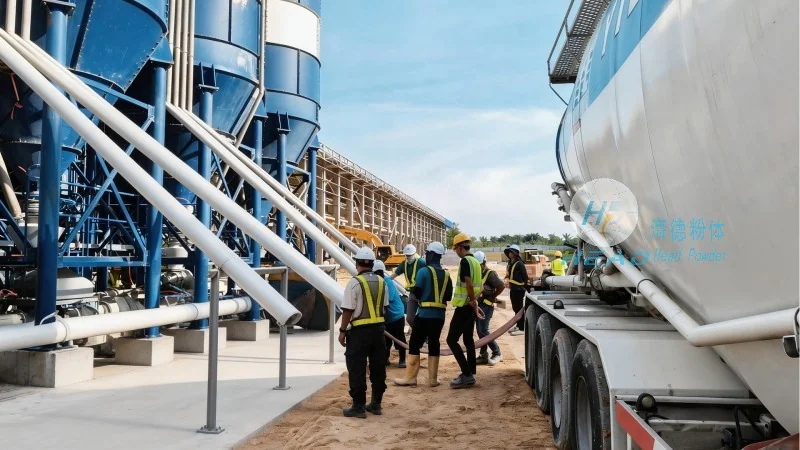
Considerations for Implementing Pneumatic Conveying Systems
While pneumatic conveying offers numerous benefits, there are several factors to consider when implementing such a system for PVC resin. First, the characteristics of the PVC resin itself, such as its particle size, moisture content, and flowability, must be evaluated. Fine or highly cohesive resins may require specialized equipment or additives to ensure smooth transport. Second, the distance and layout of the conveying system need to be carefully planned to optimize air pressure and flow rates. Excessive distance or complex layouts may require additional blower capacity or intermediate pulse jets to maintain material flow. Third, the system must be designed to handle potential issues such as dust accumulation, corrosion, or material buildup. Proper filtration, cleaning, and maintenance procedures are essential to ensure the longevity and reliability of the system. Finally, the cost of implementation and operation must be considered, as pneumatic conveying systems can be more expensive to install and maintain than other methods, especially for large-scale operations.
Conclusion and Company Overview
In conclusion, pneumatic conveying is a highly effective and versatile method for transporting PVC resin, offering advantages such as efficiency, hygiene, and flexibility. By understanding the principles and considerations of pneumatic conveying, manufacturers can optimize their material handling processes and improve overall productivity. Shandong HeadPowder Engineering Co., Ltd. specializes in providing customized material handling solutions, including pneumatic conveying systems, tailored to the specific needs of PVC resin processing facilities. With years of experience and a commitment to quality, HeadPowder offers reliable and efficient solutions that help clients achieve their production goals while maintaining safety and compliance. Based in Shandong, China, HeadPowder serves a wide range of industries, including plastics, chemicals, and food processing, and continues to innovate in material handling technology to meet the evolving needs of modern manufacturing.

 Công ty TNHH Kỹ thuật Công trình Bột Hải Đức Sơn Đông
 156-6277-7102(Quản lý Trương)
  0531-83386006
  Quận Chương Khâu, Thành phố Tế Nam, Tỉnh Sơn Đông, Trung Quốc
Điện thoại
WeChatTư vấn
Lên đầu