Công ty Hải Đức Bột với hơn 10 năm kinh nghiệm vận chuyển khí, cung cấp hệ thống‑thiết bị‑quạt gió và nhận dự án tổng thầu bột cả nước
When it comes to the efficient and reliable transport of stone powder particles, selecting the right conveying method is crucial for industrial operations. Stone powder, a common material in construction, mining, and manufacturing, requires specialized handling to ensure safety, efficiency, and minimal material loss. This article explores the common methods used for stone powder particle conveyance, with a particular focus on the advantages and applications of pneumatic conveying systems. As a leading provider in the field, Shandong HeadPowder Engineering Co., Ltd., based in Shandong, China, specializes in designing and implementing advanced conveying solutions tailored to the unique needs of various industries.
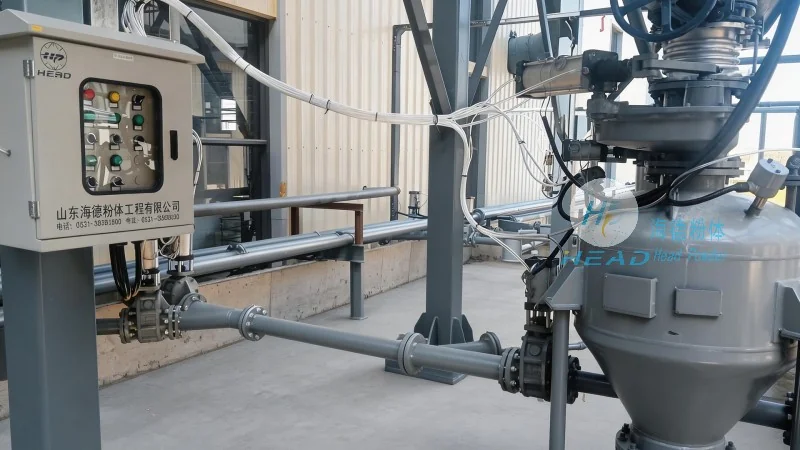
Understanding Stone Powder Particle Conveying: Key Considerations
Before delving into specific conveying methods, it's essential to understand the characteristics of stone powder that influence the choice of transport system. Stone powder typically consists of fine particles with varying sizes, densities, and moisture content. These factors affect how the material behaves during transport, including its flowability, dust generation, and potential for caking or blockage. Effective conveying solutions must address these challenges to maintain system performance and operational safety. Shandong HeadPowder Engineering Co., Ltd. recognizes these complexities and offers customized solutions that consider the specific properties of the stone powder being handled.
Common Conveying Methods for Stone Powder Particles
Several methods are commonly employed for the transport of stone powder particles, each with its own advantages and limitations. The primary categories include mechanical conveying systems, such as belt conveyors and screw conveyors, and pneumatic conveying systems. Mechanical systems are often used for bulk material handling over short distances, while pneumatic systems are preferred for longer distances, complex layouts, and applications requiring dust control. Below, we explore the key methods used in the industry:
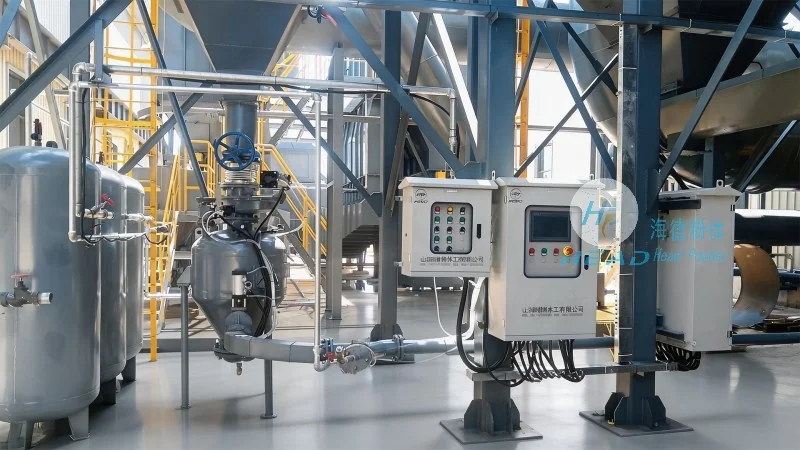
Belt Conveyors: A Traditional Approach for Stone Powder Transport
Belt conveyors are one of the most widely used mechanical conveying systems for transporting stone powder. These systems consist of a continuous belt that moves over rollers or pulleys, carrying the material from the source to the destination. Belt conveyors are particularly effective for handling large volumes of material over relatively short distances, such as in mining operations or bulk material storage facilities. They are known for their durability, low maintenance requirements, and ability to handle heavy loads. However, belt conveyors may face challenges when dealing with fine, powdery materials like stone powder, as the material can slip or create dust during transport. Shandong HeadPowder Engineering Co., Ltd. has experience in designing belt conveyor systems that incorporate features like anti-slip belts and dust suppression mechanisms to improve performance with stone powder.
Screw Conveyors: Efficient for Horizontal and Vertical Transport
Screw conveyors, also known as auger conveyors, are another common mechanical method for stone powder transport. These systems use a rotating screw (auger) inside a tube to move material along a horizontal or vertical path. Screw conveyors are ideal for applications where the material needs to be moved in a confined space or over vertical inclines. They are particularly effective for handling dry, free-flowing materials like stone powder, as the screw's rotation ensures consistent movement without the need for external forces. However, screw conveyors may struggle with sticky or cohesive materials, which can cause blockages or reduced efficiency. Shandong HeadPowder Engineering Co., Ltd. offers customized screw conveyor designs that address these issues, including variable speed drives and material conditioning equipment to maintain smooth operation.
Pneumatic Conveying: The Preferred Method for Stone Powder Handling
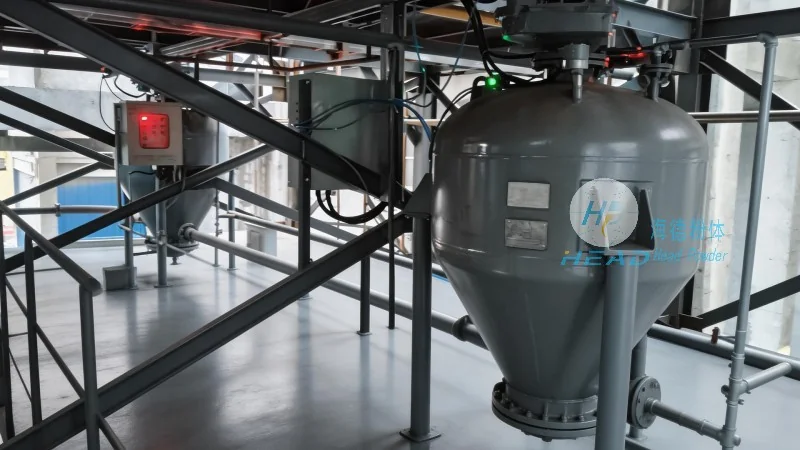
Pneumatic conveying systems are widely regarded as the most effective method for transporting stone powder particles, especially over longer distances or in complex layouts. These systems use air or other gases to move the material through a pipeline, eliminating the need for mechanical components that can cause wear or maintenance issues. Pneumatic conveying is particularly advantageous for stone powder due to its ability to handle fine particles, control dust, and maintain a clean environment. There are two main types of pneumatic conveying systems: pressure and vacuum. Pressure systems use compressed air to push the material through the pipeline, while vacuum systems use a vacuum to pull the material. Shandong HeadPowder Engineering Co., Ltd. specializes in designing both pressure and vacuum pneumatic conveying systems, selecting the appropriate type based on the specific requirements of the application.
Advantages of Pneumatic Conveying for Stone Powder
The adoption of pneumatic conveying systems for stone powder offers several key advantages over traditional mechanical methods. First, pneumatic systems provide a dust-free environment, which is critical for maintaining workplace safety and compliance with environmental regulations. Stone powder is often a fine, airborne material that can cause respiratory issues if not properly contained, and pneumatic systems effectively prevent dust dispersion. Second, pneumatic conveying allows for flexible system layouts, as the pipeline can be routed around obstacles or over long distances without the need for additional support structures. This flexibility is particularly beneficial in industrial settings where space is limited or the layout is complex. Third, pneumatic systems offer high efficiency in material transport, with minimal material loss and consistent flow rates. Shandong HeadPowder Engineering Co., Ltd. emphasizes these benefits in their design and implementation of pneumatic conveying solutions, ensuring that clients achieve optimal performance and cost savings.
Design Considerations for Stone Powder Pneumatic Conveying Systems
Implementing an effective pneumatic conveying system for stone powder requires careful consideration of several design factors. The first consideration is the material's properties, including particle size, density, and moisture content. These factors determine the appropriate air velocity and pressure required to move the material efficiently without causing blockages or excessive wear on the system components. Shandong HeadPowder Engineering Co., Ltd. conducts thorough material analysis to ensure the system is designed for optimal performance. Second, the system layout and distance of transport are critical. Longer distances may require higher air pressure or larger pipeline diameters to maintain material flow. Third, the system's components, such as the air compressor, cyclone separators, and material feeders, must be selected to handle the specific characteristics of stone powder. For example, cyclone separators are used to separate the material from the air stream, and their design must be optimized to prevent clogging with fine particles. Shandong HeadPowder Engineering Co., Ltd. utilizes advanced engineering software and expertise to design systems that meet these requirements and ensure long-term reliability.
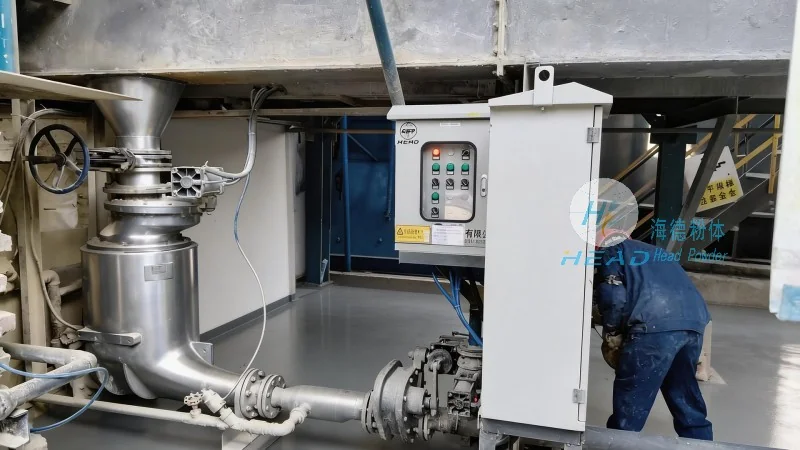
Case Studies: Successful Stone Powder Conveying Implementations
Shandong HeadPowder Engineering Co., Ltd. has successfully implemented numerous pneumatic conveying systems for stone powder in various industries. One notable case involved a construction materials company that needed to transport fine stone powder from a storage silo to a mixing plant over a distance of 500 meters. The company previously used a belt conveyor system, which suffered from frequent blockages and dust issues. After consulting with Shandong HeadPowder Engineering Co., Ltd., the company installed a pressure pneumatic conveying system with a cyclone separator and a material feeder. The new system significantly reduced material loss, improved dust control, and increased operational efficiency by 30%. Another case involved a mining operation that required transporting stone powder from a processing plant to a storage facility over a vertical distance of 20 meters. The company chose a vacuum pneumatic conveying system with a vertical pipeline and a rotary valve feeder. This system effectively handled the vertical transport, maintaining consistent flow rates and minimizing material degradation. These case studies demonstrate the effectiveness of pneumatic conveying systems in improving operational performance and addressing the unique challenges of stone powder transport.
Conclusion: Choosing the Right Conveying Method for Stone Powder
In conclusion, the choice of stone powder particle conveying method depends on several factors, including the material's properties, transport distance, and operational requirements. While mechanical systems like belt and screw conveyors are suitable for short-distance transport, pneumatic conveying systems offer superior performance for longer distances and complex layouts. Shandong HeadPowder Engineering Co., Ltd., with its expertise in designing and implementing advanced conveying solutions, provides customized pneumatic conveying systems that address the specific needs of stone powder handling. By considering factors such as material properties, system layout, and component selection, companies can achieve efficient, safe, and cost-effective transport of stone powder. As the demand for stone powder continues to grow in various industries, the adoption of advanced conveying technologies like pneumatic systems will remain essential for maintaining operational efficiency and meeting industry standards. Shandong HeadPowder Engineering Co., Ltd. remains committed to providing innovative solutions that enhance the performance of stone powder conveying systems and support the success of its clients.

 Công ty TNHH Kỹ thuật Công trình Bột Hải Đức Sơn Đông
 156-6277-7102(Quản lý Trương)
  0531-83386006
  Quận Chương Khâu, Thành phố Tế Nam, Tỉnh Sơn Đông, Trung Quốc
Điện thoại
WeChatTư vấn
Lên đầu