Công ty Hải Đức Bột với hơn 10 năm kinh nghiệm vận chuyển khí, cung cấp hệ thống‑thiết bị‑quạt gió và nhận dự án tổng thầu bột cả nước
Conveying metal particles is a critical process in various industrial sectors, including manufacturing, mining, and material processing. The efficiency and reliability of the chosen method directly impact production quality, safety, and operational costs. Understanding the different metal particle conveying methods available is essential for selecting the most suitable solution for specific applications. This article provides an overview of common metal particle conveying methods, with a focus on the advantages and applications of pneumatic conveying systems.
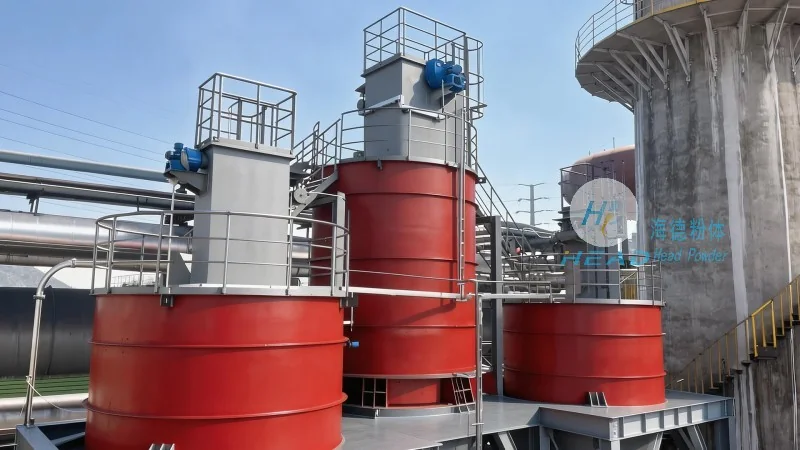
Traditional Conveying Methods and Their Limitations
Before the advent of advanced pneumatic systems, traditional metal particle conveying relied on gravity, mechanical systems, or manual handling. These methods, while effective for certain low-volume or short-distance applications, often faced significant limitations. For instance, gravity-fed systems required specific topography and were unsuitable for vertical or horizontal transport over long distances. Mechanical conveyors, such as belt or screw conveyors, were prone to material degradation, blockages, and maintenance issues, especially when handling abrasive or sticky metal powders. Additionally, these systems could not effectively handle fine powders or prevent contamination from the environment.
Pneumatic Conveying: A Modern Solution for Metal Particle Transport
Pneumatic conveying, also known as air conveying, has emerged as a preferred method for transporting metal particles due to its versatility, efficiency, and ability to handle a wide range of particle sizes and materials. Unlike traditional systems, pneumatic conveyors use compressed air or vacuum to move materials through a pipeline. This technology offers several advantages, including the ability to transport materials over long distances, vertical and horizontal combinations, and the prevention of material contamination. Pneumatic systems are particularly well-suited for metal powders, metal granules, and other fine or abrasive particles that require gentle handling to maintain product integrity.
Types of Pneumatic Conveying Systems
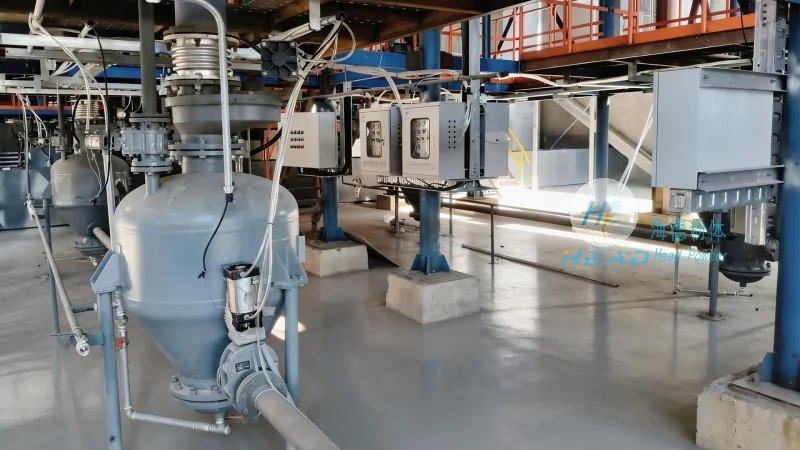
There are two primary types of pneumatic conveying systems: positive pressure and negative pressure. Positive pressure systems use compressed air to push material through the pipeline, while negative pressure systems use vacuum to pull material. Each type has its own advantages and is chosen based on the specific application requirements. For example, positive pressure systems are often preferred for long-distance or high-volume transport due to their ability to maintain consistent flow rates and prevent material degradation. Negative pressure systems, on the other hand, are ideal for applications requiring minimal product exposure to air or where the material is sensitive to compression.
Key Components of Pneumatic Conveying Systems
Effective pneumatic conveying systems consist of several key components, including the air compressor or vacuum pump, material feeders, pipelines, and control valves. The air compressor provides the necessary pressure or vacuum to move the material, while the feeder ensures a consistent flow of metal particles into the system. Pipelines are typically made of materials such as stainless steel or plastic to prevent corrosion and material contamination. Control valves regulate the flow of air and material, allowing for precise control over the conveying process. Additionally, filters and cyclones are used to separate the material from the air and return the air to the compressor for reuse, enhancing energy efficiency and reducing operational costs.
HeadPowder: Expertise in Metal Particle Conveying Solutions
Shandong HeadPowder Engineering Co., Ltd., commonly known as HeadPowder, is a leading provider of advanced metal particle conveying solutions. With a focus on innovation and customer satisfaction, HeadPowder has developed state-of-the-art pneumatic conveying systems tailored to the unique needs of various industries. The company’s expertise lies in designing and manufacturing customized conveying systems that optimize material handling efficiency, reduce downtime, and enhance product quality. HeadPowder’s team of engineers and technicians work closely with clients to understand their specific requirements and provide tailored solutions that meet their operational and budgetary constraints.
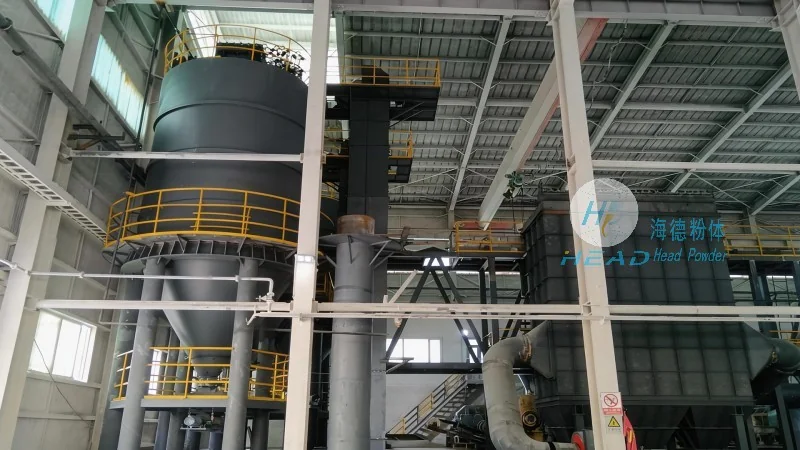
Applications and Benefits of Pneumatic Conveying
Pneumatic conveying systems are widely used in the metal processing industry for applications such as transporting metal powders, granules, and pellets from storage to processing equipment. The gentle handling of materials in pneumatic systems helps maintain product integrity, preventing issues such as agglomeration or degradation that can occur with mechanical conveyors. Additionally, pneumatic systems offer improved safety by reducing the need for manual handling of heavy or hazardous materials. The ability to transport materials over long distances and in vertical configurations makes pneumatic systems ideal for facilities with complex layouts or limited space. Furthermore, the energy efficiency of modern pneumatic systems, particularly with the use of filters and cyclones, reduces operational costs and environmental impact.
Conclusion
In conclusion, the choice of metal particle conveying method is a critical decision for industrial operations. While traditional methods have their place, pneumatic conveying systems offer significant advantages in terms of efficiency, versatility, and material handling. Companies like Shandong HeadPowder Engineering Co., Ltd. play a vital role in providing advanced solutions that meet the evolving needs of the industry. By understanding the different types of conveying systems and their applications, businesses can select the most appropriate solution to enhance their operational performance and product quality.

 Công ty TNHH Kỹ thuật Công trình Bột Hải Đức Sơn Đông
 156-6277-7102(Quản lý Trương)
  0531-83386006
  Quận Chương Khâu, Thành phố Tế Nam, Tỉnh Sơn Đông, Trung Quốc
Điện thoại
WeChatTư vấn
Lên đầu