Công ty Hải Đức Bột với hơn 10 năm kinh nghiệm vận chuyển khí, cung cấp hệ thống‑thiết bị‑quạt gió và nhận dự án tổng thầu bột cả nước
Biomass powder, derived from organic materials such as wood chips, agricultural residues, and other renewable resources, is a critical component in various industrial applications including energy production, chemical processing, and material manufacturing. Efficient and reliable conveying of these powders is essential to maintain production efficiency and ensure product quality. This article provides a detailed comparison of common biomass powder conveying methods, focusing on their operational principles, advantages, and typical applications.
1. Screw Conveyors for Biomass Powder Handling
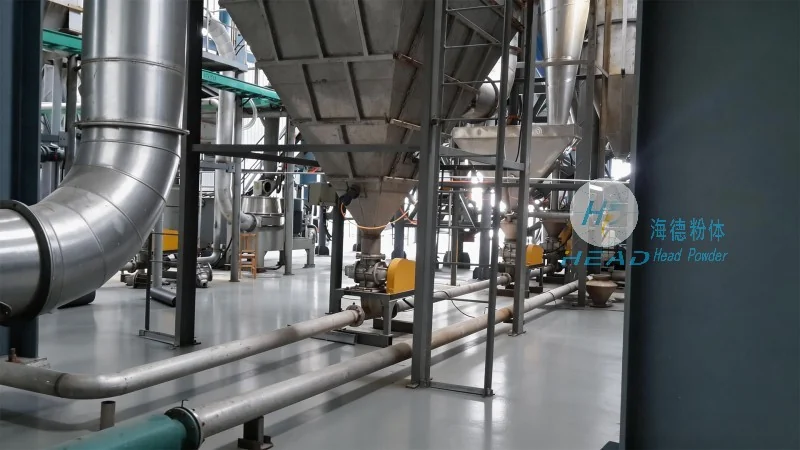
Screw conveyors, also known as auger conveyors, are widely used for the horizontal or slightly inclined transport of biomass powders. These systems consist of a rotating helical screw blade enclosed within a cylindrical tube. As the screw rotates, the powder is pushed forward along the tube, making screw conveyors suitable for short to medium distance transport. They are particularly effective for handling dry, free-flowing powders with minimal dust generation. The design allows for easy integration into existing processing lines, and their compact structure makes them ideal for space-constrained applications. However, screw conveyors may experience wear and tear on the screw and housing due to abrasive biomass materials, and they are generally less efficient for vertical lifting compared to other methods.
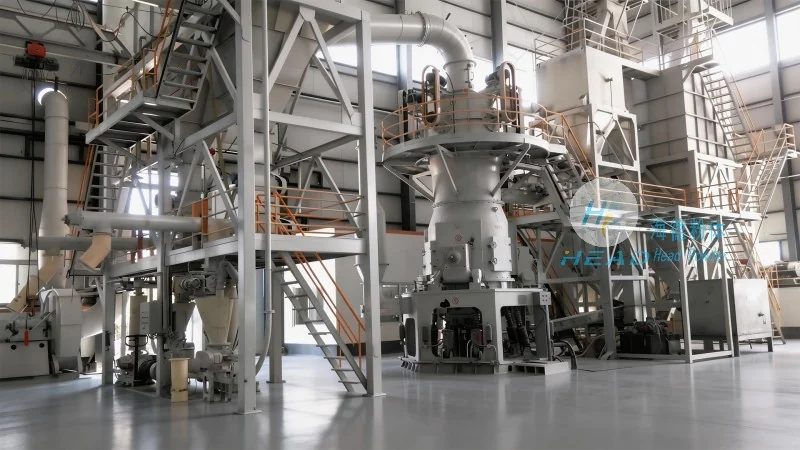
2. Pneumatic Conveying Systems
Pneumatic conveying systems utilize air or other gases to transport biomass powders through a pipeline network. These systems can be categorized into pressure and vacuum types. Pressure systems push the powder using compressed air, while vacuum systems draw the material into the system using a vacuum pump. Pneumatic conveyors offer high transport capacities and the ability to move powders over long distances, including vertical lifts. They are well-suited for applications requiring dust control and contamination prevention, as the material is enclosed within the pipeline. However, pneumatic systems may require higher energy input, especially for long-distance or high-density powder transport, and can be more complex to install and maintain compared to mechanical conveyors.
3. Belt Conveyors in Biomass Powder Transport
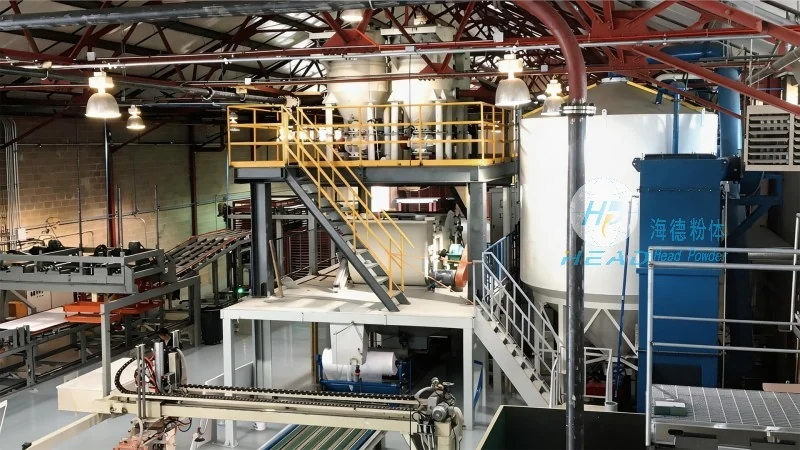
Belt conveyors are commonly employed for the horizontal and inclined transport of biomass powders, particularly in bulk material handling scenarios. These systems consist of a continuous belt supported by rollers, with the powder placed on the belt and moved by friction. Belt conveyors are capable of handling large volumes of material and are suitable for both dry and slightly moist powders. They are often used in combination with other equipment, such as feeders and classifiers, to form integrated processing lines. The design allows for easy customization of the conveyor length and inclination angle, making them adaptable to various production environments. However, belt conveyors may generate more dust compared to enclosed systems, and the belt itself requires regular maintenance to prevent wear and tear.
4. Comparison and Selection Considerations
When selecting a biomass powder conveying method, several factors must be considered, including the type and properties of the material, the required transport distance and elevation, operational efficiency, and cost. Screw conveyors are cost-effective for short-distance horizontal transport of dry powders, while pneumatic systems excel in long-distance or vertical transport with dust control. Belt conveyors are ideal for high-volume, horizontal transport but may require additional dust suppression measures. The choice of system also depends on the specific application, such as energy generation, chemical processing, or material manufacturing, as each industry has unique requirements for material handling.
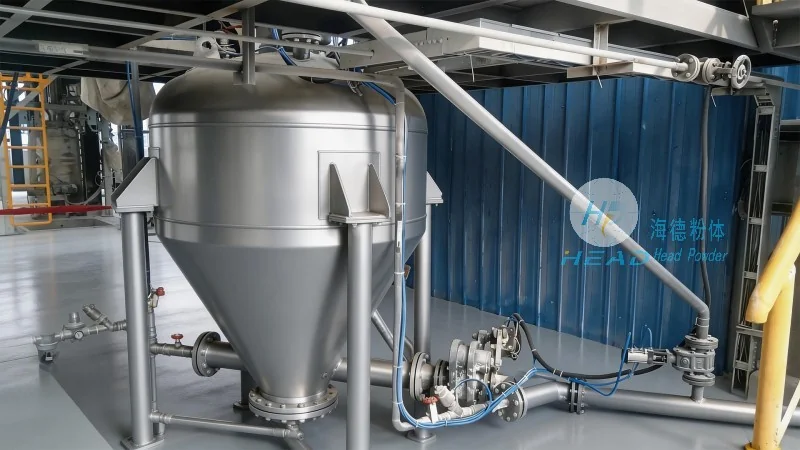
About Shandong HeadPowder Engineering Co., Ltd.
Shandong HeadPowder Engineering Co., Ltd., operating under the brand name headpowder, specializes in the design, manufacturing, and supply of advanced material handling equipment tailored for biomass and other powder applications. With a focus on innovation and customer-centric solutions, headpowder provides customized conveying systems that meet the specific needs of industrial clients. The company’s products are engineered to ensure high efficiency, reliability, and durability, supporting sustainable operations in the biomass industry. HeadPowder’s expertise in material handling technology enables them to deliver solutions that enhance productivity and reduce operational costs for their clients.

 Công ty TNHH Kỹ thuật Công trình Bột Hải Đức Sơn Đông
 156-6277-7102(Quản lý Trương)
  0531-83386006
  Quận Chương Khâu, Thành phố Tế Nam, Tỉnh Sơn Đông, Trung Quốc
Điện thoại
WeChatTư vấn
Lên đầu