Công ty Hải Đức Bột với hơn 10 năm kinh nghiệm vận chuyển khí, cung cấp hệ thống‑thiết bị‑quạt gió và nhận dự án tổng thầu bột cả nước
Flaky graphite, a key industrial material, requires efficient and reliable conveying methods for various applications. The choice of conveying method depends on factors such as material properties, production scale, and operational environment. This article provides a detailed comparison of common flaky graphite conveying methods, helping industry professionals select the most suitable approach for their specific needs.
Company Overview: Shandong HeadPowder Engineering Co., Ltd.
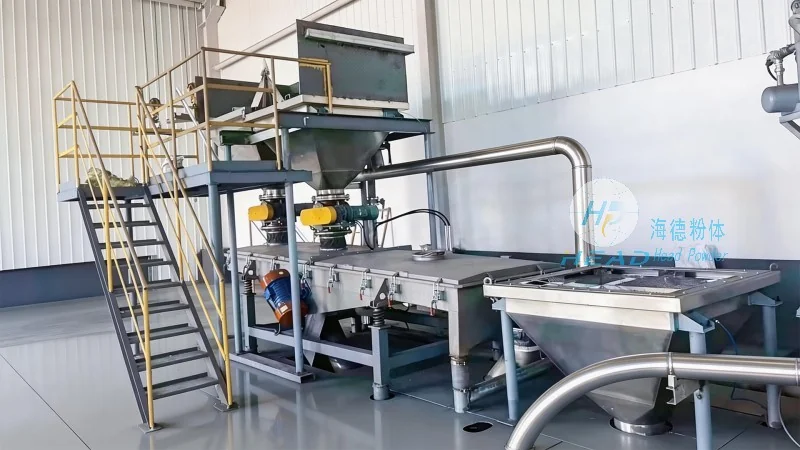
As a leading manufacturer in the graphite processing industry, Shandong HeadPowder Engineering Co., Ltd. specializes in the production and supply of high-quality flaky graphite products. With a strong focus on technological innovation and customer satisfaction, the company offers comprehensive solutions for graphite handling and transportation. HeadPowder is committed to providing reliable conveying systems that meet the diverse requirements of clients across different sectors.
1. Gravity Conveying Systems
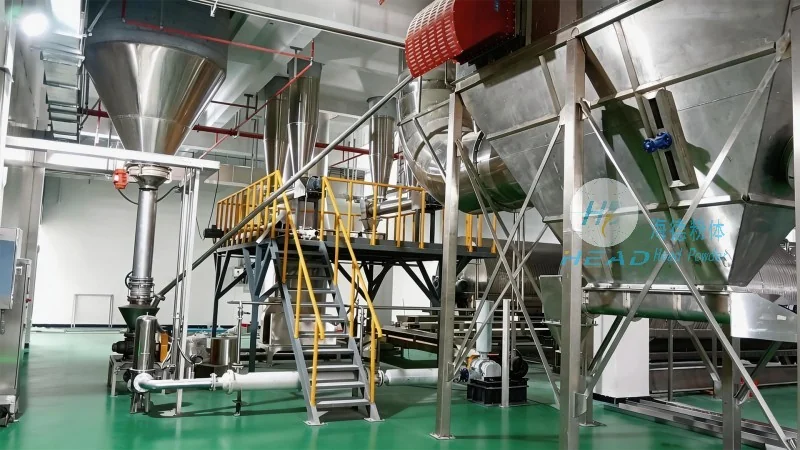
Gravity conveying is a traditional method that utilizes the natural downward movement of materials under the influence of gravity. This approach is particularly effective for flaky graphite with suitable particle size and density. The system typically consists of inclined chutes or hoppers that allow the material to flow smoothly from the source to the destination. Gravity conveying offers advantages such as low energy consumption, minimal maintenance, and the ability to handle large volumes of material. However, it is limited by the need for a suitable slope and may not be suitable for materials with high moisture content or fine particles.
2. Mechanical Conveying Systems
Mechanical conveying systems employ machinery to transport flaky graphite, including belt conveyors, screw conveyors, and bucket elevators. Belt conveyors are widely used due to their flexibility and ability to cover long distances. They are suitable for both dry and slightly wet graphite, ensuring consistent material flow. Screw conveyors are ideal for vertical or inclined transport, providing reliable performance in confined spaces. Bucket elevators are effective for vertical lifting, especially when dealing with heavy or abrasive materials. Mechanical conveying systems offer higher control over speed and direction, making them suitable for applications requiring precise material handling. However, they may involve higher initial costs and require regular maintenance to ensure optimal performance.
3. Air Conveying Systems
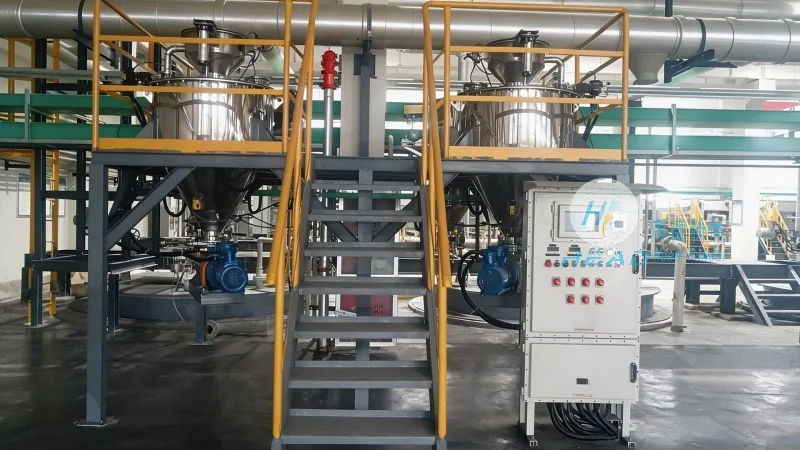
Air conveying, also known as pneumatic conveying, uses compressed air to transport flaky graphite through a pipeline system. This method is particularly advantageous for handling fine or dusty materials, as it prevents dust contamination and ensures a clean transfer process. Air conveying systems are available in both positive and negative pressure configurations. Positive pressure systems push the material through the pipeline using air, while negative pressure systems draw the material in using suction. Air conveying offers advantages such as low noise levels, minimal material degradation, and the ability to transport materials over long distances. However, it may be less efficient for very heavy or large flake graphite particles and requires careful control of air pressure to avoid system blockages.
4. Hydraulic Conveying Systems
Hydraulic conveying systems utilize water or other liquids to transport flaky graphite, often used in mining and processing applications. The material is suspended in the liquid and transported through pipelines. This method is effective for handling wet or sticky graphite, as the liquid helps to break down agglomerates and maintain a consistent flow. Hydraulic conveying offers advantages such as high capacity and the ability to transport materials over long distances with minimal energy consumption. However, it requires additional equipment for liquid management and may not be suitable for applications where water contamination is a concern.
Conclusion and Recommendations
Choosing the right flaky graphite conveying method is crucial for optimizing production efficiency and ensuring product quality. The selection should be based on a thorough analysis of material characteristics, operational requirements, and cost considerations. Shandong HeadPowder Engineering Co., Ltd. provides tailored conveying solutions that address the specific needs of clients, combining expertise in material handling with advanced technology. By understanding the strengths and limitations of each conveying method, industry professionals can make informed decisions that enhance operational performance and reduce costs. Whether using gravity, mechanical, air, or hydraulic systems, the goal is to achieve efficient, reliable, and cost-effective transportation of flaky graphite for various industrial applications.

 Công ty TNHH Kỹ thuật Công trình Bột Hải Đức Sơn Đông
 156-6277-7102(Quản lý Trương)
  0531-83386006
  Quận Chương Khâu, Thành phố Tế Nam, Tỉnh Sơn Đông, Trung Quốc
Điện thoại
WeChatTư vấn
Lên đầu