Công ty Hải Đức Bột với hơn 10 năm kinh nghiệm vận chuyển khí, cung cấp hệ thống‑thiết bị‑quạt gió và nhận dự án tổng thầu bột cả nước
When it comes to handling and transporting soybeans and other grains, selecting the right conveying method is crucial for efficiency, cost-effectiveness, and product integrity. Shandong HeadPowder Engineering Co., Ltd., a leading provider of industrial conveying solutions from China, offers insights into the most common methods used in the industry. This article provides a detailed comparison of these methods, highlighting their applications, advantages, and considerations.
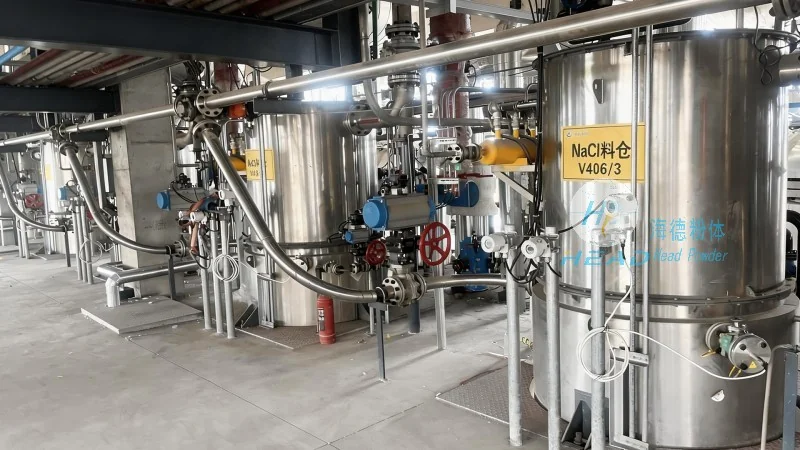
1. Screw Conveyors for Soybean Transport
Screw conveyors, also known as auger conveyors, are widely used for moving soybeans due to their simplicity and effectiveness. These systems consist of a rotating helical screw inside a tube or trough. As the screw rotates, it pushes the material forward, making screw conveyors ideal for horizontal or slightly inclined transport. They are particularly suitable for transporting dry, free-flowing soybeans without the need for additional power beyond the motor driving the screw. The design allows for a compact footprint, making them suitable for both small and large-scale operations. However, screw conveyors may experience issues with clogging if the soybeans are too wet or contain large debris, which can affect their performance and require regular maintenance to ensure smooth operation.
2. Belt Conveyors in Soybean Handling
Belt conveyors are another popular choice for soybean transport, especially in bulk handling applications. These systems use a continuous belt that moves over rollers or pulleys to transport the material. Belt conveyors are highly efficient for long-distance transport and can handle large volumes of soybeans. They are commonly used in processing plants and storage facilities to move soybeans from storage bins to processing equipment. The advantage of belt conveyors lies in their ability to transport materials at a consistent speed, reducing the risk of spillage and ensuring a steady flow. However, they require more space compared to screw conveyors and may need additional support structures for longer runs. Regular inspection of the belt and pulleys is necessary to prevent wear and tear, which can impact the overall efficiency of the system.
3. Bucket Elevators for Vertical Soybean Transport
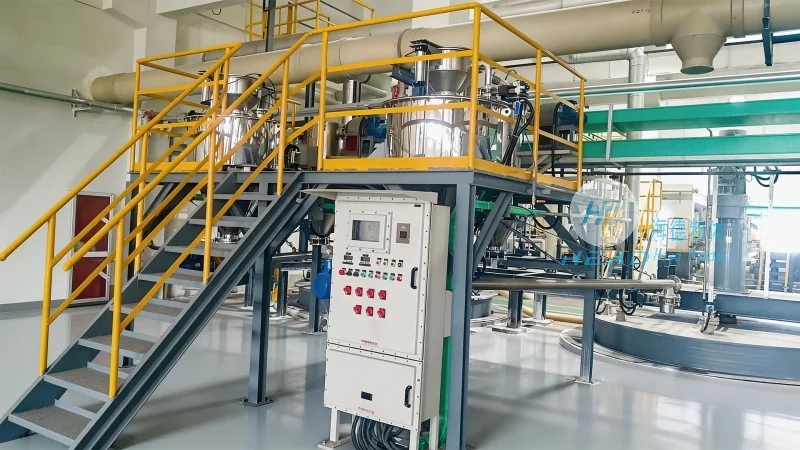
For vertical transport of soybeans, bucket elevators are a reliable solution. These systems use a series of buckets attached to a chain or belt that moves vertically. As the buckets ascend, they carry the soybeans up, and then discharge them at the top. Bucket elevators are ideal for moving soybeans from ground level to elevated storage or processing areas. They are capable of handling a wide range of materials, including soybeans, and can operate at high speeds, making them suitable for high-volume operations. The enclosed design of bucket elevators helps prevent material spillage and contamination, maintaining product quality. However, they may be more complex to install and maintain compared to other methods, and the buckets can wear out over time, requiring periodic replacement.
4. Pneumatic Conveying Systems for Soybean Transport
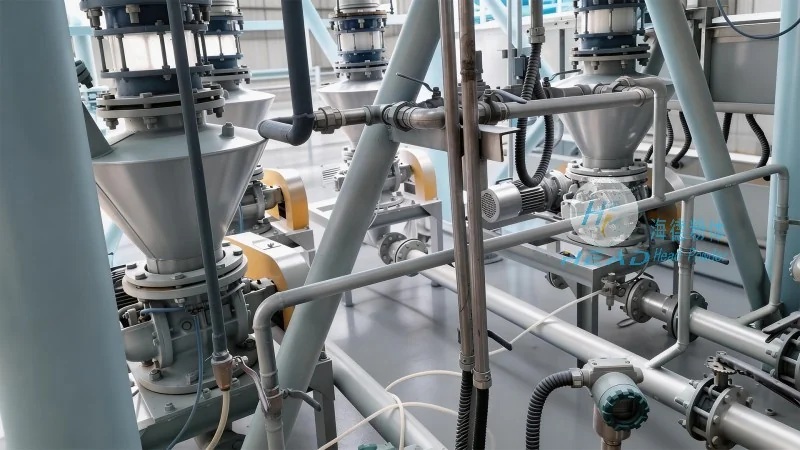
Pneumatic conveying systems use air pressure to transport soybeans through a pipeline. These systems can be either positive pressure (where air pushes the material) or negative pressure (where air pulls the material). Pneumatic conveyors are particularly useful for transporting soybeans over long distances or in areas with limited space, as they require less floor space compared to other methods. They are also effective for handling materials that are dusty or have a tendency to create dust, as the system can capture and filter the air. However, pneumatic conveying systems may experience pressure drops over long distances, which can reduce the transport capacity. Additionally, they require proper air filtration and cleaning to prevent dust accumulation and maintain air quality.
5. Comparison and Selection Considerations
When choosing a conveying method for soybean transport, several factors should be considered. The distance and direction of transport (horizontal, vertical, or both) are key determinants. For short horizontal distances, screw conveyors may be sufficient, while for longer distances or vertical transport, bucket elevators or belt conveyors might be more appropriate. The volume of soybeans to be transported also plays a role; belt conveyors and pneumatic systems are better suited for high-volume operations. The physical properties of the soybeans, such as moisture content and particle size, can affect the choice of system. Wet or sticky soybeans may cause issues with screw conveyors and require additional drying or cleaning steps. Finally, the available space and budget constraints should be evaluated. Each conveying method has its advantages and limitations, and the optimal choice depends on the specific requirements of the operation.
Shandong HeadPowder Engineering Co., Ltd. specializes in designing and manufacturing customized conveying solutions tailored to the needs of soybean processing and storage facilities. By understanding the unique challenges and requirements of each operation, the company ensures that the selected conveying method maximizes efficiency, minimizes downtime, and maintains the quality of the soybeans throughout the transport process. Whether it's a screw conveyor for horizontal transport or a bucket elevator for vertical movement, HeadPowder provides reliable and efficient solutions that meet the demands of modern soybean handling operations.

 Công ty TNHH Kỹ thuật Công trình Bột Hải Đức Sơn Đông
 156-6277-7102(Quản lý Trương)
  0531-83386006
  Quận Chương Khâu, Thành phố Tế Nam, Tỉnh Sơn Đông, Trung Quốc
Điện thoại
WeChatTư vấn
Lên đầu