Công ty Hải Đức Bột với hơn 10 năm kinh nghiệm vận chuyển khí, cung cấp hệ thống‑thiết bị‑quạt gió và nhận dự án tổng thầu bột cả nước
When it comes to handling sawdust and wood flour in industrial settings, selecting the right conveying method is crucial for efficiency, cost-effectiveness, and operational safety. Various technologies are available, each with distinct advantages and limitations. This article provides a detailed comparison of common sawdust and wood flour conveying methods, focusing on the key factors that influence the choice of equipment for different applications.
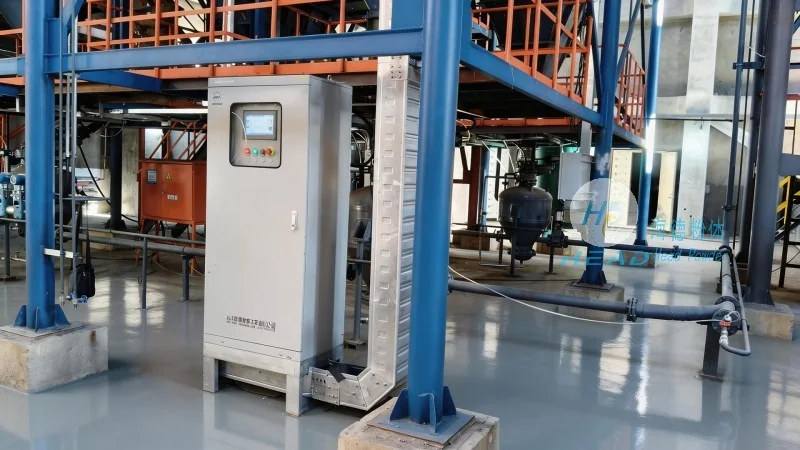
Introduction to Sawdust and Wood Flour Conveying
Sawdust and wood flour are fine, dry wood particles produced during woodworking processes. These materials are widely used in manufacturing, packaging, and other industries. Efficient and reliable conveying systems are essential to move these materials from one processing stage to another without degradation or loss. The choice of conveying method depends on factors such as material characteristics, production volume, distance to be covered, and the environment where the conveying takes place.
Key Factors Influencing Conveying Method Selection
Before diving into specific methods, it's important to understand the key factors that affect the selection of a conveying system. These factors include the physical properties of the material, such as particle size, moisture content, and bulk density. The required conveying capacity and distance are also critical. Additionally, considerations like space availability, environmental regulations, and maintenance requirements play a significant role in determining the most suitable option.
1. Screw Conveyors (Auger Conveyors)
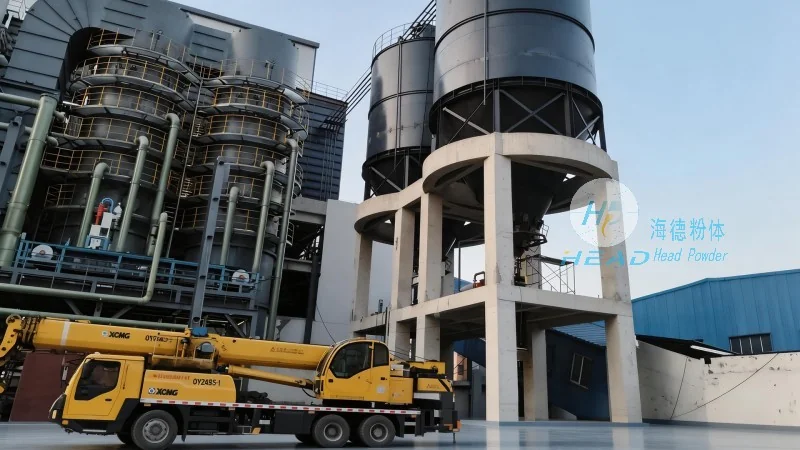
Screw conveyors, also known as auger conveyors, are one of the most common and versatile methods for transporting sawdust and wood flour. These systems consist of a rotating helical screw inside a tube or trough. The screw pushes the material forward as it rotates, making it suitable for horizontal, vertical, or inclined conveying. Screw conveyors are particularly effective for handling dry, free-flowing materials with moderate to high bulk density. They are relatively simple in design, easy to install, and require minimal maintenance. However, they may not be ideal for very fine or dusty materials, as the screw can cause excessive friction and heat buildup, potentially leading to material degradation. The conveying capacity of screw conveyors is generally lower compared to other methods, and they are best suited for shorter distances and moderate production rates.
2. Pneumatic Conveying Systems
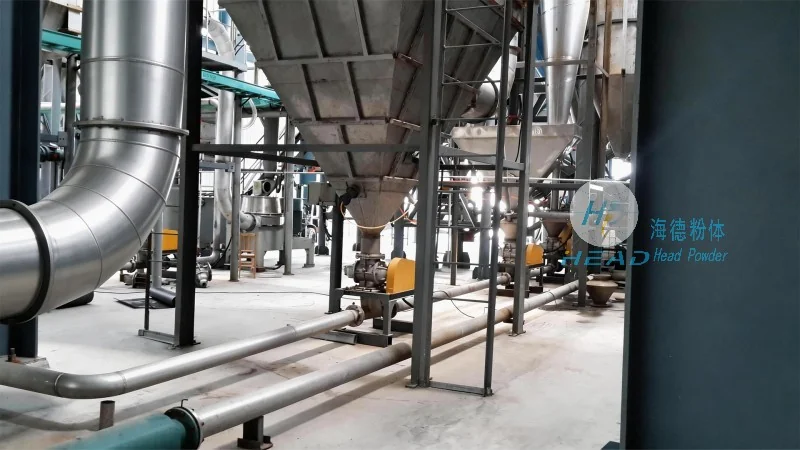
Pneumatic conveying systems use air or other gases to transport sawdust and wood flour through a pipeline. These systems can be categorized into two main types: pressure and vacuum. Pressure systems use compressed air to push the material forward, while vacuum systems use suction to draw the material into the pipeline. Pneumatic conveying offers high flexibility, as it can handle long distances and complex layouts. It is also effective for handling fine, dusty materials that are difficult to move with mechanical systems. However, the cost of compressed air and the potential for material degradation due to friction and heat are significant considerations. Pneumatic systems require more energy compared to other methods and may need additional filtration to prevent dust accumulation in the system. They are particularly suitable for applications where the material needs to be transported over long distances or through multiple processing stages.
3. Belt Conveyors
Belt conveyors are another common method for transporting sawdust and wood flour, especially in applications requiring high capacity and long distances. These systems consist of a continuous belt that moves over rollers or idlers, carrying the material from one point to another. Belt conveyors are highly efficient for moving large volumes of material and are suitable for both horizontal and inclined conveying. They are particularly effective for handling bulk materials with moderate to high bulk density. The main advantages of belt conveyors include high capacity, low maintenance, and the ability to handle a wide range of material sizes. However, they require more space compared to other methods and may not be suitable for very fine or dusty materials, as the belt can cause material degradation and require frequent cleaning. Belt conveyors are best suited for applications where the material needs to be transported over long distances and in large quantities.
4. Bucket Elevators
Bucket elevators are vertical or inclined conveyors that use a series of buckets attached to a chain or belt to transport sawdust and wood flour. The buckets scoop the material at the bottom and release it at the top, making it ideal for vertical conveying. Bucket elevators are highly efficient for moving materials vertically over short to medium distances. They are particularly effective for handling dry, free-flowing materials with moderate to high bulk density. The main advantages of bucket elevators include high capacity, low power consumption, and the ability to handle materials with high moisture content. However, they are limited to vertical or steeply inclined conveying and may not be suitable for very fine or dusty materials, as the buckets can cause material degradation and require regular maintenance. Bucket elevators are best suited for applications where vertical movement is required, such as in processing plants where materials need to be lifted to different levels.
5. Vibrating Conveyors
Vibrating conveyors use vibrations to move sawdust and wood flour along a trough. The system consists of a conveyor bed that vibrates at a specific frequency and amplitude, causing the material to move forward. Vibrating conveyors are particularly effective for handling fine, dusty materials that are difficult to move with other methods. They are also suitable for applications where the material needs to be conveyed over long distances and in a controlled manner. The main advantages of vibrating conveyors include low maintenance, low power consumption, and the ability to handle materials with high moisture content. However, they may not be suitable for very large or heavy materials, as the vibrations can cause excessive wear and tear on the equipment. Vibrating conveyors are best suited for applications where the material needs to be conveyed in a gentle manner, such as in food processing or pharmaceutical industries.
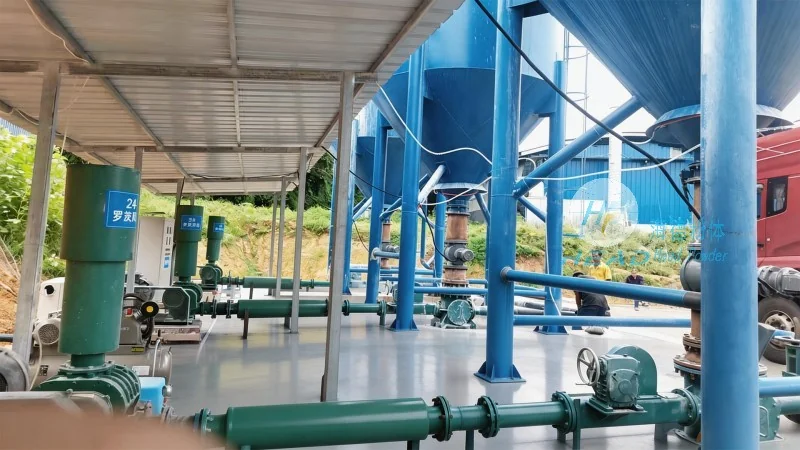
Conclusion and Recommendations
Choosing the right sawdust and wood flour conveying method depends on a variety of factors, including material characteristics, production volume, and operational requirements. Each method has its own strengths and limitations. For example, screw conveyors are ideal for short distances and moderate production rates, while pneumatic systems are better suited for long distances and fine materials. Belt conveyors are suitable for high-capacity applications, and bucket elevators are effective for vertical conveying. Vibrating conveyors are a good choice for gentle handling of fine materials.
When selecting a conveying system, it is important to consider the specific needs of the application and to consult with experts to ensure the most efficient and cost-effective solution. Shandong HeadPowder Engineering Co., Ltd., a leading manufacturer of conveying equipment, offers a range of solutions tailored to the unique requirements of sawdust and wood flour processing. With years of experience in the industry, HeadPowder provides high-quality, reliable equipment designed to meet the demands of modern industrial applications.

 Công ty TNHH Kỹ thuật Công trình Bột Hải Đức Sơn Đông
 156-6277-7102(Quản lý Trương)
  0531-83386006
  Quận Chương Khâu, Thành phố Tế Nam, Tỉnh Sơn Đông, Trung Quốc
Điện thoại
WeChatTư vấn
Lên đầu