Công ty Hải Đức Bột với hơn 10 năm kinh nghiệm vận chuyển khí, cung cấp hệ thống‑thiết bị‑quạt gió và nhận dự án tổng thầu bột cả nước
Gravity dust, often collected from industrial processes such as power plants, cement production, and other manufacturing facilities, requires efficient and reliable conveying methods to transport it from collection points to disposal or recycling locations. Among the various techniques available, gravity dust pneumatic conveying stands out as a versatile and effective solution. This article explores common gravity dust conveying methods, focusing on the principles and applications of gravity dust pneumatic conveying systems, with insights from Shandong HeadPowder Engineering Co., Ltd., a leading provider in the field.
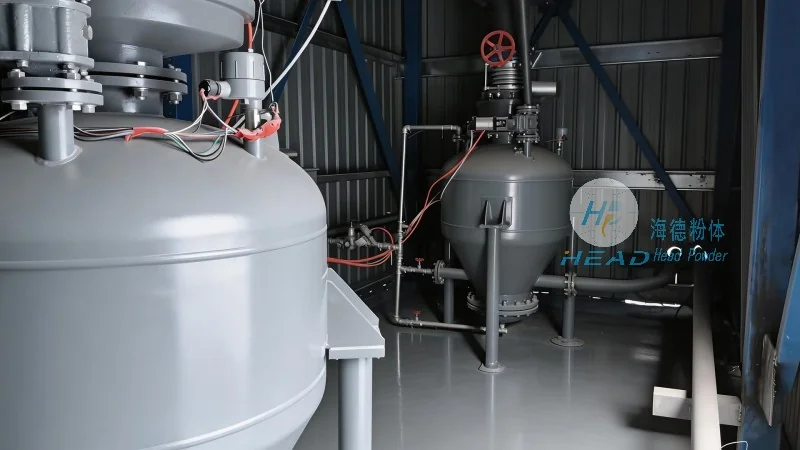
Understanding Gravity Dust and Its Conveying Challenges
Gravity dust, also known as fly ash or fine particulate matter, is typically collected using gravity dust collectors. These systems capture dust particles through the use of gravity and filtration, resulting in a dry, fine material that needs to be transported without compromising its quality or causing environmental issues. The primary challenges in conveying gravity dust include maintaining particle integrity, preventing clogging in pipelines, and ensuring energy efficiency. Traditional methods like bucket elevators or belt conveyors may struggle with fine, abrasive particles, making pneumatic conveying a preferred choice for many industries.
Gravity Dust Pneumatic Conveying: A Comprehensive Overview
Gravity dust pneumatic conveying utilizes air or gas to transport dry powders, including gravity dust, through a pipeline system. This method offers several advantages over mechanical conveying, such as reduced wear and tear on equipment, lower maintenance costs, and the ability to handle fine, abrasive particles without clogging. The system typically consists of a dust collector, a conveying line, and a discharge device. Air is introduced into the pipeline at a controlled velocity, creating a flow that carries the dust particles to the destination. The key to successful pneumatic conveying lies in maintaining the correct air velocity and pressure to ensure efficient transport without damaging the particles or causing excessive energy consumption.
Key Components of Gravity Dust Pneumatic Conveying Systems
Shandong HeadPowder Engineering Co., Ltd. specializes in designing and manufacturing gravity dust pneumatic conveying systems tailored to the specific needs of industrial applications. The core components of these systems include:
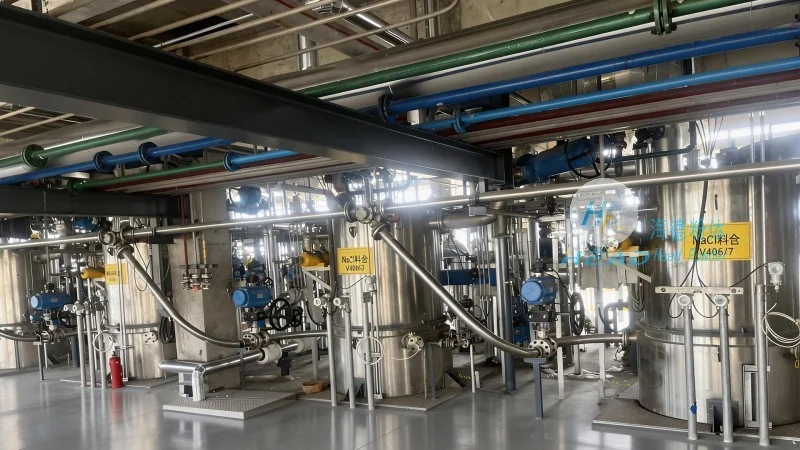
Dust Collector: The initial stage where gravity dust is captured from the process air stream. Efficient dust collection is crucial to ensure that only the target particles are conveyed.
Pneumatic Conveying Line: A network of pipes that transports the dust from the collector to the discharge point. The design of the pipeline, including bends, valves, and filters, is critical to maintaining system efficiency and preventing clogging.
Air Supply System: Compressors or blowers that generate the necessary air pressure and velocity to move the dust particles. The choice of air supply equipment depends on the material characteristics, conveying distance, and system capacity.
Discharge and Control Equipment: Devices such as rotary valves, cyclones, or filters that control the release of dust at the destination and prevent backflow or contamination.
Types of Gravity Dust Pneumatic Conveying Systems
There are two main types of pneumatic conveying systems used for gravity dust: dilute phase and dense phase. Dilute phase systems operate at higher air velocities, typically 20-30 m/s, and are suitable for short to medium conveying distances. They are efficient for fine powders but may require larger air volumes. Dense phase systems, on the other hand, operate at lower velocities (5-15 m/s) and higher pressure, making them ideal for longer distances and more abrasive materials. Shandong HeadPowder Engineering Co., Ltd. offers both types, allowing customers to choose the most suitable system based on their specific requirements.
Advantages of Gravity Dust Pneumatic Conveying
Implementing gravity dust pneumatic conveying systems provides numerous benefits for industrial operations. These include:
Energy Efficiency: Compared to mechanical conveyors, pneumatic systems can be more energy-efficient, especially for long-distance transport.
Reduced Maintenance: With fewer moving parts and less wear on components, maintenance costs are lower over the system's lifespan.
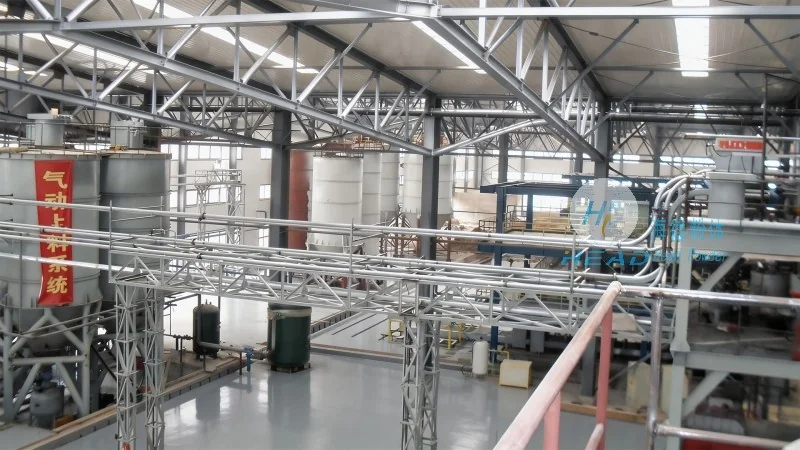
Environmental Compliance: Properly designed systems minimize dust emissions and ensure compliance with environmental regulations.
Flexibility: Pneumatic conveying systems can be easily integrated into existing facilities and adapted to changing production needs.
Applications in Industrial Settings
Gravity dust pneumatic conveying is widely used in various industries, including power generation, cement manufacturing, and chemical processing. In power plants, for example, fly ash from coal combustion is collected and conveyed using pneumatic systems to be used as raw material in cement production or disposed of safely. In cement plants, the fine dust collected from grinding processes is conveyed to storage silos or recycling facilities. Shandong HeadPowder Engineering Co., Ltd. has successfully implemented these systems in numerous projects across China, demonstrating their effectiveness and reliability.
Conclusion
Gravity dust pneumatic conveying is a critical technology for efficiently handling and transporting fine particulate matter from industrial processes. By understanding the principles and components of these systems, as well as the advantages they offer, industries can improve operational efficiency, reduce costs, and ensure environmental compliance. Shandong HeadPowder Engineering Co., Ltd. remains committed to providing high-quality gravity dust conveying solutions that meet the evolving needs of modern industrial applications.

 Công ty TNHH Kỹ thuật Công trình Bột Hải Đức Sơn Đông
 156-6277-7102(Quản lý Trương)
  0531-83386006
  Quận Chương Khâu, Thành phố Tế Nam, Tỉnh Sơn Đông, Trung Quốc
Điện thoại
WeChatTư vấn
Lên đầu