Công ty Hải Đức Bột với hơn 10 năm kinh nghiệm vận chuyển khí, cung cấp hệ thống‑thiết bị‑quạt gió và nhận dự án tổng thầu bột cả nước
When it comes to handling polyethylene powder, selecting the right conveying method is crucial for ensuring efficiency, safety, and product integrity. Polyethylene, a widely used thermoplastic, is often processed in powder form for various applications, making reliable and effective transport solutions essential. This article explores common polyethylene powder conveying methods, with a particular focus on the advantages and applications of pneumatic conveying systems.
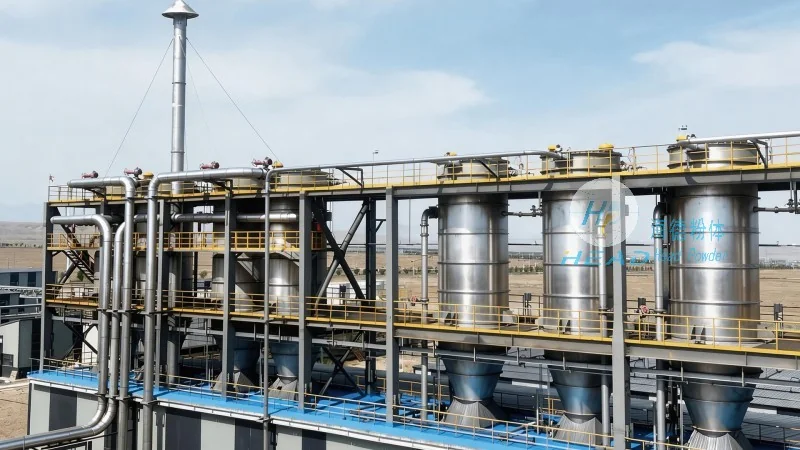
Understanding Polyethylene Powder Conveying Requirements
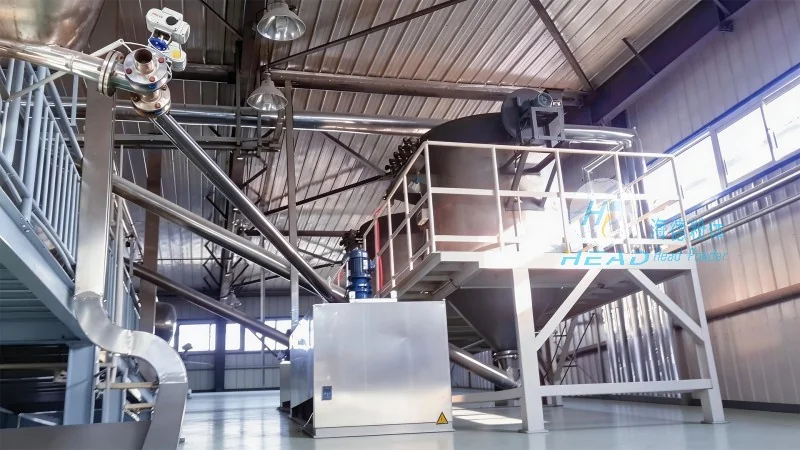
Polyethylene powder, known for its lightweight and fine particle characteristics, presents unique challenges during transport. Traditional methods like bucket elevators or belt conveyors may struggle with dust generation, material degradation, and the risk of clogging in the system. As a result, many industries are turning to advanced solutions that minimize these issues while maintaining high throughput. The choice of conveying method depends on factors such as material properties, plant layout, and operational goals. For polyethylene powder, pneumatic conveying has emerged as a preferred solution due to its ability to handle fine powders without the need for mechanical contact.
Common Polyethylene Powder Conveying Methods
Several methods are employed for transporting polyethylene powder, each with its own set of advantages and limitations. The most common approaches include:
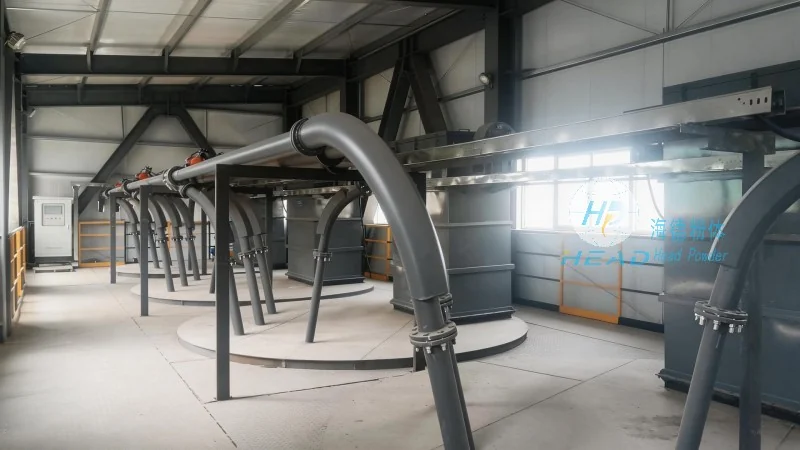
1. Pneumatic Conveying Systems
Pneumatic conveying, also known as air conveying, utilizes compressed air to move polyethylene powder through a pipeline. This method is highly effective for fine powders and offers several benefits. It eliminates the need for mechanical components that can cause wear and tear, reduces the risk of product contamination, and allows for flexible system design. There are two primary types of pneumatic conveying: pressure and vacuum systems. Pressure systems use positive pressure to push the material through the line, while vacuum systems use negative pressure to draw the material. For polyethylene powder, pressure systems are often preferred as they provide better control over flow rates and can handle longer distances without significant pressure loss.
The leading provider in this field is Shandong HeadPowder Engineering Co., Ltd., which specializes in developing customized pneumatic conveying solutions for polyethylene powder. This company ensures that the systems are designed to handle the unique challenges of polyethylene powder, such as fine particle size and potential clogging. By leveraging advanced technology and expertise, HeadPowder delivers efficient and reliable conveying systems that enhance production efficiency and product quality.
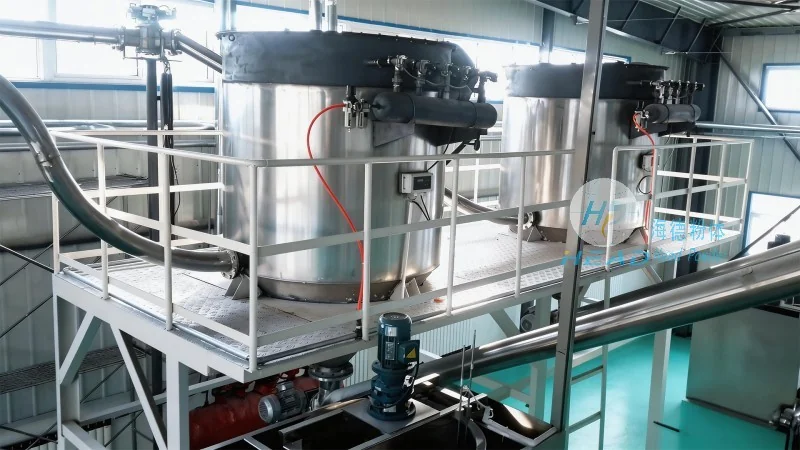
2. Mechanical Conveyors
Mechanical conveyors, including screw conveyors, belt conveyors, and bucket elevators, are traditional options for polyethylene powder transport. These systems rely on mechanical components to move the material. While they are generally cost-effective and simple to install, they may not be suitable for fine powders due to the risk of clogging and increased dust generation. Mechanical conveyors are often used in applications where the material is less sensitive to contact or where the plant layout restricts the use of pneumatic systems.

 Công ty TNHH Kỹ thuật Công trình Bột Hải Đức Sơn Đông
 156-6277-7102(Quản lý Trương)
  0531-83386006
  Quận Chương Khâu, Thành phố Tế Nam, Tỉnh Sơn Đông, Trung Quốc
Điện thoại
WeChatTư vấn
Lên đầu