Công ty Hải Đức Bột với hơn 10 năm kinh nghiệm vận chuyển khí, cung cấp hệ thống‑thiết bị‑quạt gió và nhận dự án tổng thầu bột cả nước
When it comes to the efficient handling and transportation of flake graphite powder, selecting the right conveying method is crucial for industrial applications. Flake graphite, known for its excellent lubricating properties and electrical conductivity, is widely used in various industries such as refractories, batteries, and lubricants. However, the fine and lightweight nature of flake graphite powder presents unique challenges in material handling, making the choice of conveying system critical to operational efficiency and product quality. This article explores common flake graphite powder conveying methods, with a particular focus on pneumatic conveying systems, and highlights the expertise of Shandong HeadPowder Engineering Co., Ltd. (referred to as HeadPowder) in providing tailored solutions for graphite powder transportation.
Understanding Flake Graphite Powder and Its Conveying Challenges
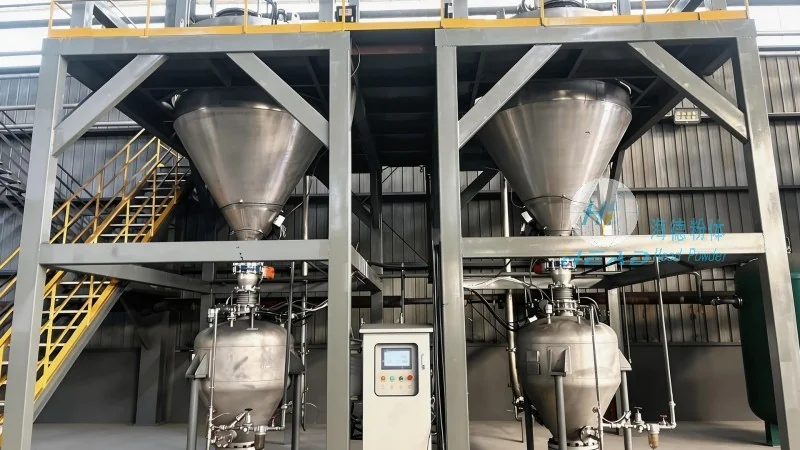
Flake graphite powder is characterized by its plate-like structure, which contributes to its low density and high surface area. These properties make it prone to dust generation and airflow resistance during transportation. Traditional bulk material handling methods, such as belt conveyors or screw conveyors, may not be ideal due to the risk of material degradation, clogging, or loss of product integrity. Therefore, specialized conveying systems are often required to maintain the quality and consistency of flake graphite powder. The primary goal of any conveying system is to move the powder from the source to the destination while minimizing segregation, attrition, and contamination. This section outlines the key challenges associated with flake graphite powder and the importance of selecting an appropriate conveying method.
Common Conveying Methods for Flake Graphite Powder
Several methods are employed for the transportation of flake graphite powder, each with its own advantages and limitations. The most common approaches include mechanical conveyors, pneumatic conveying systems, and hydraulic systems. Mechanical conveyors, such as belt conveyors and screw conveyors, are widely used for bulk materials but may not be suitable for fine powders due to the risk of material buildup and clogging. Screw conveyors, in particular, can cause excessive shear and attrition, which may affect the particle size distribution and quality of the graphite powder. On the other hand, pneumatic conveying systems offer a more flexible and efficient solution for handling fine powders like flake graphite. These systems use air or other gases to transport the material through pipes, providing a clean and enclosed environment that minimizes dust exposure and product contamination.
Pneumatic Conveying: A Detailed Overview
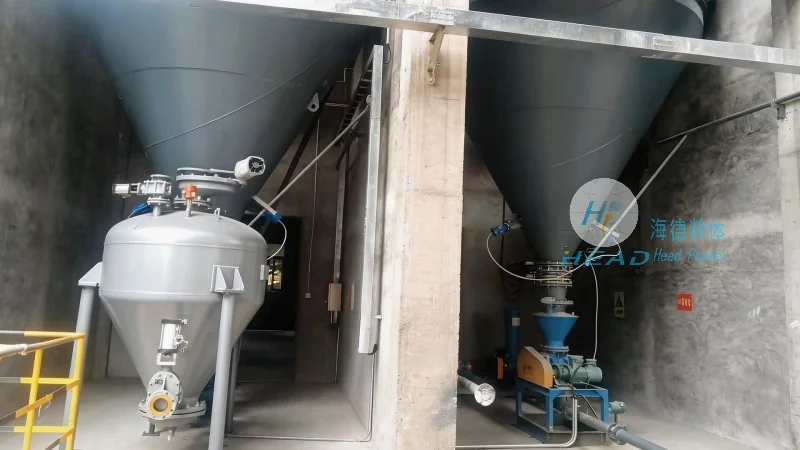
Pneumatic conveying is a widely adopted method for transporting flake graphite powder due to its ability to handle fine, lightweight materials with minimal degradation. There are two main types of pneumatic conveying systems: pressure and vacuum. Pressure systems use compressed air to push the material through the pipeline, while vacuum systems use suction to draw the material into the system. Both methods are effective for flake graphite powder, but the choice depends on factors such as the distance to be covered, the volume of material to be transported, and the desired system pressure. Pressure pneumatic conveying is generally preferred for longer distances and higher material volumes, as it offers higher conveying velocities and better control over the material flow. Vacuum systems, on the other hand, are more suitable for shorter distances and lower material loads, as they are less prone to pressure buildup and can handle more delicate materials.
Key Components of a Pneumatic Conveying System for Flake Graphite Powder
A pneumatic conveying system for flake graphite powder typically consists of several key components, including a feeder, a conveying line, a receiver, and control equipment. The feeder is responsible for feeding the graphite powder into the system at a consistent rate, ensuring a smooth and continuous flow. For flake graphite powder, a rotary valve or a screw feeder is commonly used to prevent material bridging and ensure uniform feeding. The conveying line is made of materials that are resistant to corrosion and abrasion, such as stainless steel or plastic, to prevent the graphite from adhering to the pipe walls and causing blockages. The receiver is where the graphite powder is collected after being transported through the system, and it is typically equipped with a dust collection system to prevent airborne emissions. Control equipment, such as pressure regulators and flow meters, is used to monitor and adjust the system parameters to maintain optimal performance.
Advantages of Pneumatic Conveying for Flake Graphite Powder
Compared to other conveying methods, pneumatic conveying offers several advantages for flake graphite powder. First, it provides a closed system that minimizes dust exposure and environmental contamination, which is essential for maintaining product quality and complying with environmental regulations. Second, it allows for the transportation of fine powders over long distances without the need for intermediate storage or handling, reducing the risk of material segregation and degradation. Third, pneumatic conveying systems are more flexible and can be easily integrated with other processing equipment, such as mixers or classifiers, to form a complete production line. Finally, these systems are relatively easy to install and maintain, with lower capital costs compared to other bulk material handling solutions.
Applications of Pneumatic Conveying in Flake Graphite Processing
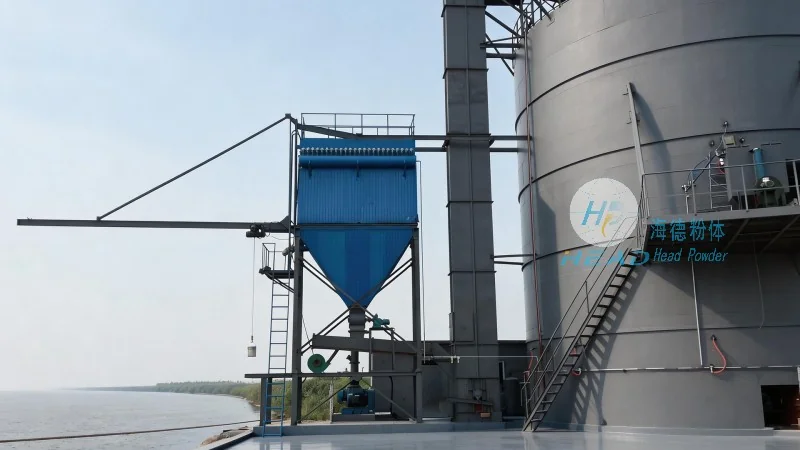
Pneumatic conveying is widely used in various applications involving flake graphite powder, including raw material handling, intermediate processing, and final product packaging. In raw material handling, pneumatic systems are used to transport graphite ore from storage silos to grinding mills, ensuring a consistent supply of material for the production process. During intermediate processing, such as classification or blending, pneumatic conveying is used to move the processed graphite powder between different equipment, maintaining the product's quality and preventing cross-contamination. Finally, in the final product packaging stage, pneumatic systems are used to transport the finished flake graphite powder into packaging containers, ensuring a clean and efficient packaging process.
Case Study: HeadPowder's Pneumatic Conveying Solutions
Shandong HeadPowder Engineering Co., Ltd. (HeadPowder) is a leading manufacturer of specialized equipment for the handling and processing of graphite materials. With years of experience in the industry, HeadPowder has developed advanced pneumatic conveying systems tailored to the unique needs of flake graphite powder. The company's solutions are designed to maximize efficiency, minimize material loss, and ensure product quality. For example, HeadPowder has implemented a pressure pneumatic conveying system for a customer in the battery industry, which successfully transported flake graphite powder from a storage silo to a mixing plant over a distance of 200 meters. The system was equipped with a rotary valve feeder and a stainless steel conveying line, ensuring a smooth and continuous flow of material. The customer reported a significant reduction in material degradation and a higher product yield, leading to increased profitability. HeadPowder's expertise in pneumatic conveying systems has made it a trusted partner for many graphite processing companies, providing reliable and efficient solutions for their material handling needs.
Conclusion: Choosing the Right Conveying Method for Flake Graphite Powder
In conclusion, the choice of conveying method for flake graphite powder depends on several factors, including the material properties, the distance to be covered, and the desired system performance. While mechanical conveyors may be suitable for some applications, pneumatic conveying systems offer a more efficient and reliable solution for handling fine, lightweight materials like flake graphite. Shandong HeadPowder Engineering Co., Ltd. (HeadPowder) has demonstrated its expertise in providing tailored pneumatic conveying solutions for the graphite industry, helping companies improve their operational efficiency and product quality. By selecting the right conveying system, manufacturers can ensure the safe and efficient transportation of flake graphite powder, meeting the demands of modern industrial applications.

 Công ty TNHH Kỹ thuật Công trình Bột Hải Đức Sơn Đông
 156-6277-7102(Quản lý Trương)
  0531-83386006
  Quận Chương Khâu, Thành phố Tế Nam, Tỉnh Sơn Đông, Trung Quốc
Điện thoại
WeChatTư vấn
Lên đầu