Công ty Hải Đức Bột với hơn 10 năm kinh nghiệm vận chuyển khí, cung cấp hệ thống‑thiết bị‑quạt gió và nhận dự án tổng thầu bột cả nước
When it comes to managing fly ash, an efficient and reliable system is crucial for industrial operations. The design of a fly ash pneumatic conveying system requires careful consideration of various factors to ensure optimal performance, safety, and cost-effectiveness. This article will guide you through the key aspects of designing a reasonable fly ash pneumatic conveying system, highlighting the expertise of Shandong HeadPowder Engineering Co., Ltd., a leading provider in the field, based in Shandong, China.
Understanding the Core Components of a Fly Ash Pneumatic Conveying System
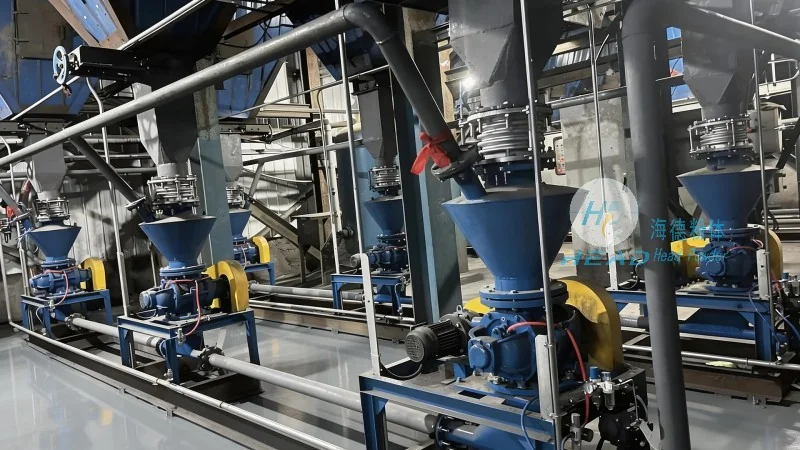
A well-designed fly ash pneumatic conveying system typically consists of several critical components that work in harmony to transport fly ash from its source to the destination. The primary elements include the hopper for material storage, a feeder to control the flow rate, a conveying pipeline network, a dust collector to manage airborne particles, and a receiver for the discharged material. Each component plays a vital role in maintaining the system's efficiency and preventing operational issues.
Key Design Principles for Optimal Performance
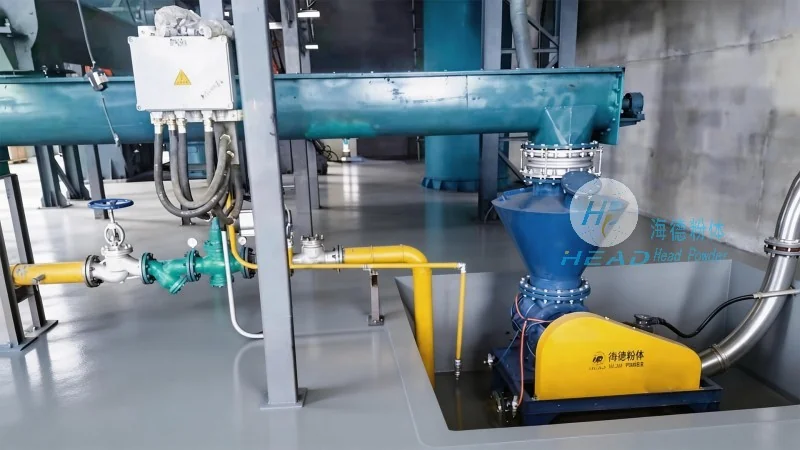
Designing a successful fly ash pneumatic conveying system involves adhering to several fundamental principles. First, the system must be tailored to the specific characteristics of the fly ash, such as its particle size, moisture content, and bulk density. These properties directly impact the required air velocity and pressure to achieve effective transport. Second, the pipeline layout should be optimized to minimize pressure losses and avoid bends or obstructions that could lead to blockages or reduced efficiency. Third, incorporating a dust collection system is essential for maintaining air quality and complying with environmental regulations. Lastly, selecting appropriate materials for the equipment, such as corrosion-resistant metals for the hopper and feeder, ensures the system's longevity and reliability.
System Sizing and Capacity Considerations
Accurately determining the system's capacity is a critical step in the design process. This involves calculating the required conveying rate based on the production volume of fly ash and the desired throughput. The system's capacity must be matched with the feeder's output and the pipeline's diameter to ensure smooth material flow without excessive pressure drops. Shandong HeadPowder Engineering Co., Ltd. employs advanced engineering methods to perform these calculations, taking into account factors like the material's flowability and the system's operating conditions. By properly sizing the components, the system can operate at peak efficiency, minimizing energy consumption and maximizing productivity.
Material Handling and Safety Measures
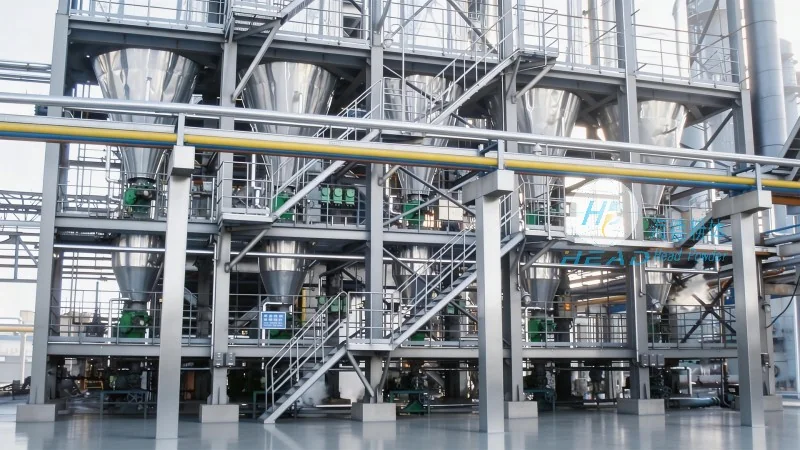
Ensuring the safe and efficient handling of fly ash is paramount in any pneumatic conveying system. The design must incorporate safety features to prevent dust explosions and material blockages. For instance, installing explosion relief valves or spark arrestors in the dust collector can mitigate the risk of explosions. Additionally, using a positive pressure system, where the conveying air is under pressure, helps maintain a sealed environment and prevents dust from escaping into the workplace. The system should also include monitoring equipment to detect pressure changes or blockages, allowing for timely maintenance and preventing system downtime.
Integration with Existing Infrastructure
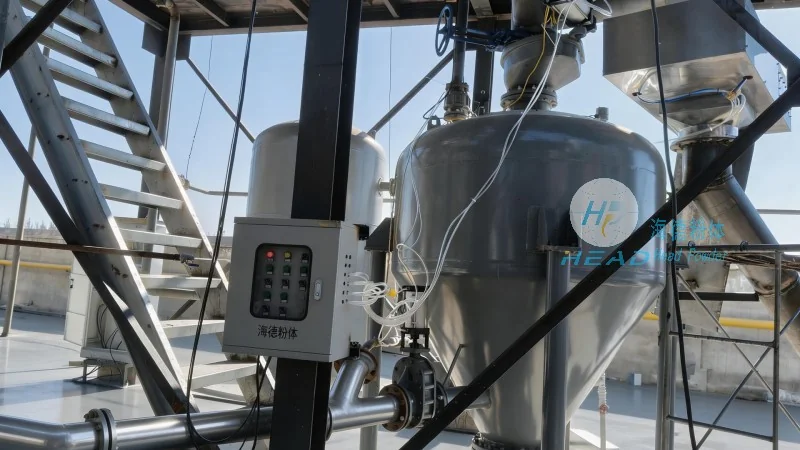
When designing a new fly ash pneumatic conveying system, it is essential to consider its integration with existing industrial infrastructure. This includes assessing the available space, power supply, and existing material handling equipment. The system should be designed to minimize disruptions to current operations while maximizing compatibility with the plant's layout. Shandong HeadPowder Engineering Co., Ltd. offers comprehensive solutions that can be customized to fit the specific needs of each client, ensuring seamless integration and minimal impact on daily operations.
Maintenance and Long-Term Reliability
A well-designed fly ash pneumatic conveying system not only performs efficiently but also requires regular maintenance to ensure long-term reliability. The system's components, such as the hopper, feeder, and pipeline, should be constructed from durable materials that can withstand the abrasive nature of fly ash. Regular cleaning and inspection of the equipment are necessary to prevent clogging and maintain optimal performance. Shandong HeadPowder Engineering Co., Ltd. provides maintenance services and spare parts to support clients in keeping their systems in top condition, extending their operational life and reducing downtime.
Conclusion
Designing a reasonable fly ash pneumatic conveying system is a complex process that requires a deep understanding of material properties, system components, and operational requirements. By following the principles outlined above and leveraging the expertise of Shandong HeadPowder Engineering Co., Ltd., industrial facilities can achieve efficient, safe, and cost-effective fly ash handling solutions. Whether for new installations or system upgrades, a well-designed pneumatic conveying system is essential for maintaining productivity and complying with environmental standards.

 Công ty TNHH Kỹ thuật Công trình Bột Hải Đức Sơn Đông
 156-6277-7102(Quản lý Trương)
  0531-83386006
  Quận Chương Khâu, Thành phố Tế Nam, Tỉnh Sơn Đông, Trung Quốc
Điện thoại
WeChatTư vấn
Lên đầu