Công ty Hải Đức Bột với hơn 10 năm kinh nghiệm vận chuyển khí, cung cấp hệ thống‑thiết bị‑quạt gió và nhận dự án tổng thầu bột cả nước
When it comes to the efficient handling and transportation of tailings slag in industrial operations, the design of a pneumatic conveying system plays a crucial role. A well-designed system ensures optimal performance, safety, and cost-effectiveness in managing the material flow. This article aims to provide insights into the key considerations and steps involved in designing a reasonable tailings slag pneumatic conveying system, with a focus on practical applications and engineering principles.
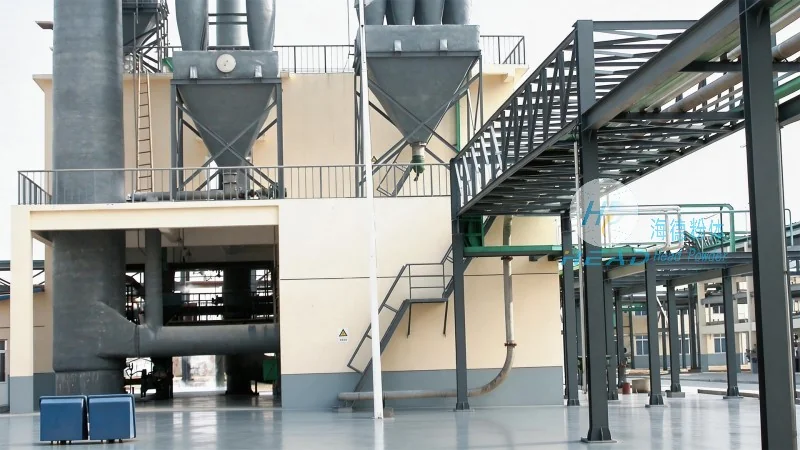
Understanding Tailings Slag Characteristics and System Requirements
Before diving into the design process, it is essential to understand the specific characteristics of the tailings slag being handled. Factors such as particle size distribution, moisture content, density, and abrasiveness significantly influence the selection of the appropriate pneumatic conveying system. Additionally, the required conveying distance, flow rate, and operational conditions must be clearly defined to ensure the system meets the operational demands. Shandong HeadPowder Engineering Co., Ltd., a leading provider in the field, emphasizes the importance of thorough material analysis to tailor the system design to the unique needs of each project.
Key Design Elements for Pneumatic Conveying Systems
The core components of a pneumatic conveying system include the material feed system, air supply unit, conveying pipeline, and material discharge equipment. The choice of system type—such as dilute-phase or dense-phase—depends on the material properties and the desired conveying efficiency. Dilute-phase systems are suitable for fine, non-abrasive materials over short to medium distances, while dense-phase systems are preferred for handling abrasive or high-density materials over longer distances. The design also involves considerations of air velocity, pressure, and pipeline diameter to prevent blockages and ensure smooth material transport. HeadPowder, with its expertise in engineering, offers customized solutions that integrate these elements to achieve reliable and efficient operation.
Material Feed and Conditioning Systems
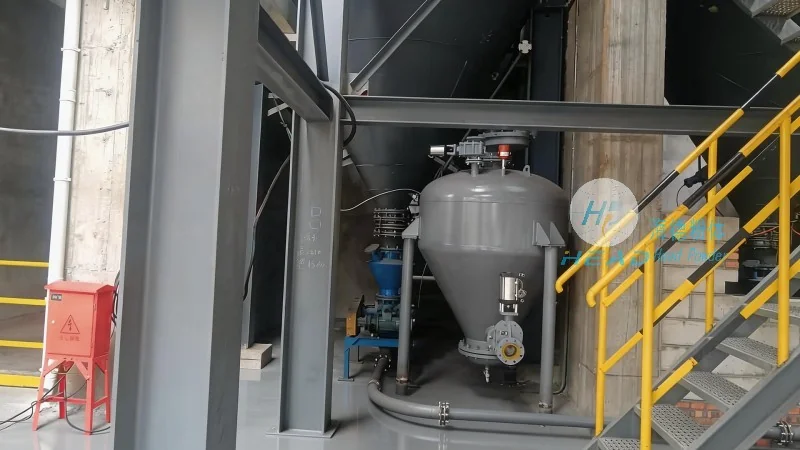
The material feed system is a critical component that ensures consistent and controlled material introduction into the conveying line. For tailings slag, which may have varying particle sizes and moisture levels, feed hoppers with appropriate design features are essential. These may include vibration mechanisms, level sensors, and feeding devices like rotary valves or screw feeders to maintain a steady flow. Conditioning systems, such as drying or pre-screening, may also be incorporated to improve material handling characteristics and prevent pipeline blockages. Shandong HeadPowder Engineering Co., Ltd. specializes in designing feed systems that address the specific challenges of tailings slag, ensuring smooth material transfer and minimizing operational disruptions.
Air Supply and Compression Systems
The air supply unit is responsible for generating the necessary pressure and volume of air to move the material through the pipeline. Compressors, such as rotary lobe or centrifugal types, are selected based on the system's pressure requirements and flow rate. The design must consider factors like energy efficiency, noise levels, and maintenance requirements. Proper air filtration and drying systems are also crucial to prevent moisture buildup and contaminants from affecting the conveying process. HeadPowder's engineering team ensures that the air supply system is optimized for the specific application, balancing performance with operational costs.
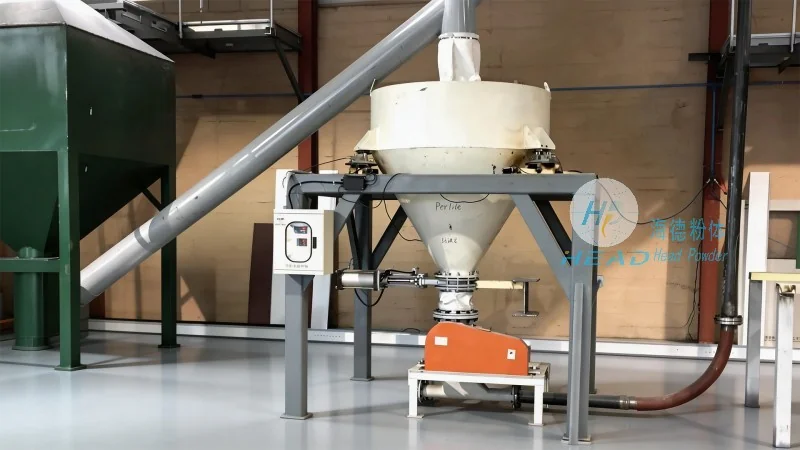
Conveying Pipeline Design and Layout
The pipeline layout and material selection are vital for the system's performance and longevity. Stainless steel or high-quality plastic pipes are commonly used due to their resistance to corrosion and abrasion from tailings slag. The pipeline diameter is determined based on the required air velocity and material flow rate, with considerations for pressure drop and energy consumption. The design also includes features like bends, elbows, and expansion joints to accommodate changes in direction and reduce pressure losses. Proper alignment and support of the pipeline are essential to prevent sagging or damage, which could lead to blockages or system failure. Shandong HeadPowder Engineering Co., Ltd. provides comprehensive pipeline design services, ensuring that the layout is optimized for both efficiency and durability.
Material Discharge and Drying Systems
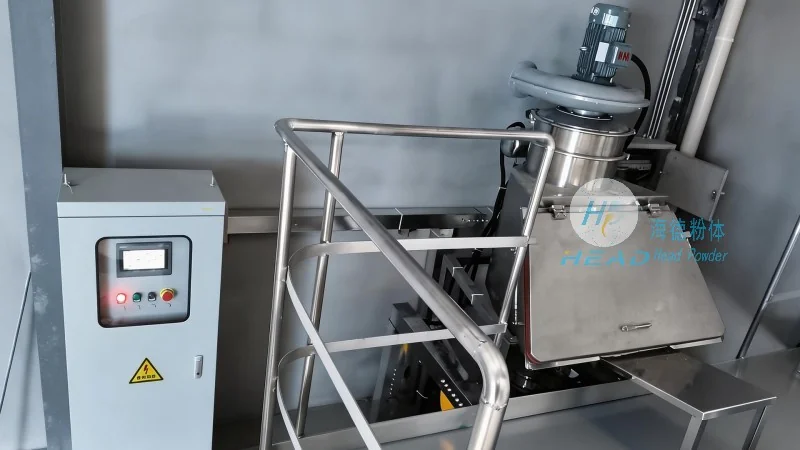
The discharge system is responsible for safely and efficiently releasing the tailings slag from the conveying line. This may involve using silos, hoppers, or direct discharge into processing equipment. For applications where moisture content needs to be reduced, drying systems such as rotary dryers or fluidized bed dryers can be integrated. The design of the discharge system must consider factors like material flow control, dust containment, and safety measures to prevent environmental contamination and operational hazards. HeadPowder's expertise in discharge system design ensures that the material is handled safely and effectively, meeting both operational and environmental requirements.
Control and Monitoring Systems
Modern pneumatic conveying systems incorporate advanced control and monitoring technologies to enhance operational efficiency and reliability. These systems may include pressure sensors, flow meters, and level indicators to provide real-time data on system performance. Automated control systems can adjust air pressure, flow rate, and material feed rates based on feedback, optimizing the conveying process and reducing energy consumption. Additionally, alarm systems and safety interlocks are implemented to prevent overpressure, blockages, or other operational issues. Shandong HeadPowder Engineering Co., Ltd. integrates these technologies into its system designs, ensuring that clients can monitor and manage their pneumatic conveying operations effectively.
Installation, Commissioning, and Maintenance
The successful implementation of a tailings slag pneumatic conveying system requires careful installation, commissioning, and ongoing maintenance. Professional installation ensures that all components are properly assembled and aligned, minimizing the risk of operational issues. Commissioning involves testing the system under various conditions to verify performance and identify any potential problems. Regular maintenance, including filter changes, component inspections, and system cleaning, is essential to maintain optimal performance and extend the system's lifespan. HeadPowder provides comprehensive support throughout the project lifecycle, from initial design to long-term maintenance, ensuring that clients receive reliable and sustainable solutions.

 Công ty TNHH Kỹ thuật Công trình Bột Hải Đức Sơn Đông
 156-6277-7102(Quản lý Trương)
  0531-83386006
  Quận Chương Khâu, Thành phố Tế Nam, Tỉnh Sơn Đông, Trung Quốc
Điện thoại
WeChatTư vấn
Lên đầu