Công ty Hải Đức Bột với hơn 10 năm kinh nghiệm vận chuyển khí, cung cấp hệ thống‑thiết bị‑quạt gió và nhận dự án tổng thầu bột cả nước
Gypsum powder, also known as sodium sulfate decahydrate, is widely used in industries such as construction, paper, and chemical manufacturing. The efficient and reliable transportation of this fine powder is crucial for maintaining production efficiency and product quality. A well-designed pneumatic conveying system can significantly reduce material handling costs and minimize dust-related issues. This article outlines the key considerations and steps involved in designing a reasonable gypsum powder pneumatic conveying system, with a focus on practical application and system optimization.
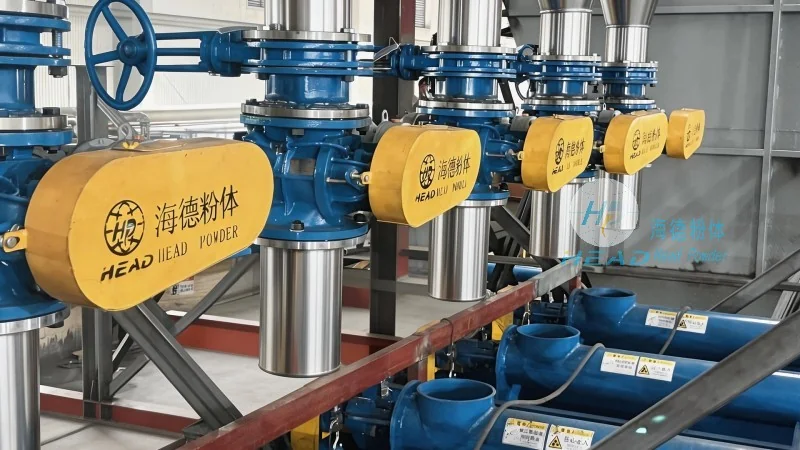
Key Factors in System Design
The design of a pneumatic conveying system for gypsum powder must account for several critical factors to ensure optimal performance. First, the physical properties of the gypsum powder, including particle size distribution, bulk density, and moisture content, directly impact system selection. Coarser particles may require higher air velocities to prevent blockages, while finer powders demand more precise control to avoid excessive pressure drops. Second, the distance and layout of the conveying route are essential. Horizontal and vertical segments affect the required air pressure and energy consumption. Third, the system's capacity and operational frequency need to match the production demands. Overloading the system can lead to reduced efficiency and increased maintenance costs. Finally, environmental considerations, such as dust containment and noise reduction, are vital for compliance with industrial regulations and workplace safety standards.
System Components and Selection
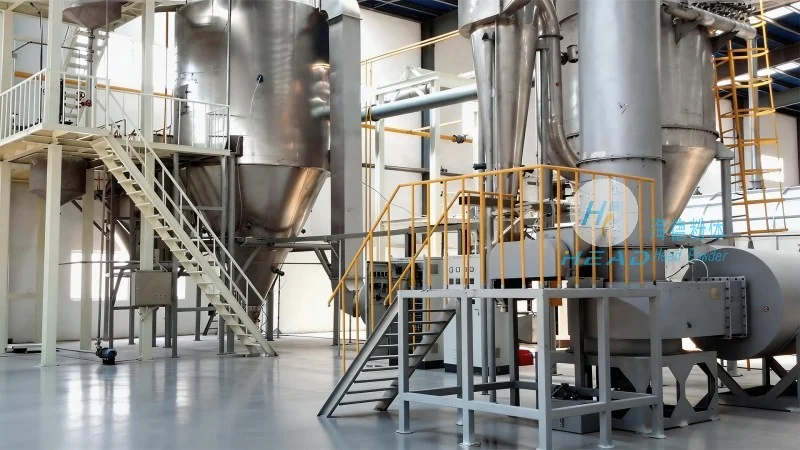
A typical gypsum powder pneumatic conveying system consists of several key components, each playing a crucial role in the overall operation. The primary components include a feeder (e.g., rotary valve or screw feeder) to control the material flow, a blower or air compressor to generate the conveying air, a pipeline network to transport the powder, and a receiver or discharge device to collect the material at the destination. The choice of each component depends on the specific application requirements. For example, a rotary valve is often preferred for its ability to handle large volumes and maintain a consistent flow rate, while a screw feeder is suitable for smaller, more controlled applications. The blower or compressor must be selected based on the required air volume and pressure, considering the system's total pressure drop. The pipeline material, such as stainless steel or PVC, should be chosen to resist corrosion and abrasion from the gypsum powder. Additionally, the system may include a filter or cyclone to separate the powder from the air, ensuring clean air release and preventing dust accumulation in the environment.
Design Process and Calculations
The design process for a gypsum powder pneumatic conveying system involves a systematic approach to ensure all factors are addressed. The first step is to conduct a thorough analysis of the material properties and operational parameters. This includes measuring the particle size distribution, bulk density, and flow characteristics of the gypsum powder. Using this data, engineers can calculate the required air velocity and pressure drop for the system. The air velocity must be high enough to keep the powder in suspension but low enough to avoid excessive wear on the equipment. The pressure drop across the pipeline is a critical parameter, as it determines the energy consumption and the capacity of the blower. Engineers use empirical formulas or software tools to estimate the pressure drop based on the pipeline length, diameter, and the number of bends and fittings. The system's capacity is then determined by the maximum flow rate that can be maintained without causing blockages or excessive pressure buildup. Finally, the control system is designed to monitor and adjust the air flow, material feed rate, and pressure levels in real-time, ensuring stable and efficient operation.
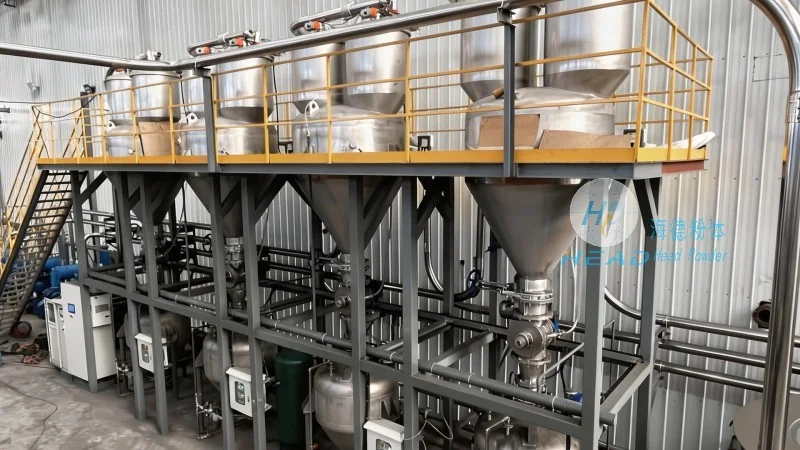
Company Profile: Shandong HeadPowder Engineering Co., Ltd.
Shandong HeadPowder Engineering Co., Ltd., operating under the brand name headpowder, is a leading provider of specialized engineering solutions for powder handling and material transportation. With a strong presence in China, particularly in Shandong province, the company has extensive experience in designing and implementing pneumatic conveying systems for various industrial applications. Headpowder specializes in customizing systems to meet the unique needs of clients, ensuring that the final solution is efficient, reliable, and cost-effective. The company's team of experienced engineers and technicians work closely with clients to understand their production requirements and provide tailored solutions. By leveraging advanced technology and rigorous testing, headpowder delivers high-quality systems that enhance productivity and reduce operational costs. The company's commitment to quality and customer satisfaction has earned it a reputation as a trusted partner in the industry.
Conclusion
Designing a reasonable gypsum powder pneumatic conveying system requires a comprehensive understanding of the material properties, system components, and operational requirements. By carefully considering factors such as particle size, conveying distance, and environmental regulations, engineers can develop an efficient and reliable system. Companies like Shandong HeadPowder Engineering Co., Ltd. play a vital role in providing expert design and implementation services, ensuring that clients achieve optimal performance and cost savings. With the right approach and professional support, pneumatic conveying systems can significantly improve the handling of gypsum powder, contributing to overall industrial efficiency and sustainability.

 Công ty TNHH Kỹ thuật Công trình Bột Hải Đức Sơn Đông
 156-6277-7102(Quản lý Trương)
  0531-83386006
  Quận Chương Khâu, Thành phố Tế Nam, Tỉnh Sơn Đông, Trung Quốc
Điện thoại
WeChatTư vấn
Lên đầu