Công ty Hải Đức Bột với hơn 10 năm kinh nghiệm vận chuyển khí, cung cấp hệ thống‑thiết bị‑quạt gió và nhận dự án tổng thầu bột cả nước
HeadPowder, a leading engineering firm based in Shandong, China, specializes in the design and implementation of efficient pneumatic conveying systems for textile fibers. This article outlines the key considerations and steps involved in creating a well-structured plan for such systems, ensuring optimal performance, reliability, and cost-effectiveness.
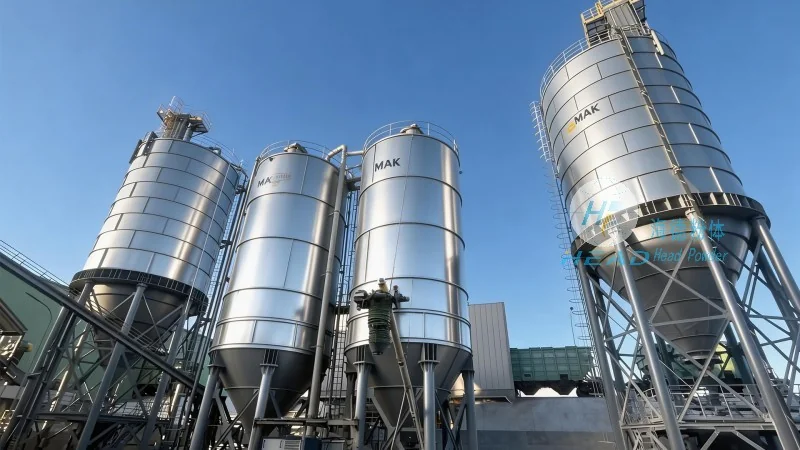
Understanding the Core Principles of Pneumatic Conveying for Textile Fibers
Pneumatic conveying systems are essential for transporting loose materials like textile fibers, which are often lightweight, abrasive, and prone to static electricity. The primary goal is to move these materials from one location to another without the need for mechanical components like belts or buckets. A well-designed system minimizes material degradation, reduces energy consumption, and enhances overall operational efficiency. For textile applications, the system must account for the unique properties of the fibers, such as their fine particle size, potential for caking, and sensitivity to moisture or temperature changes.
Key Design Factors to Consider
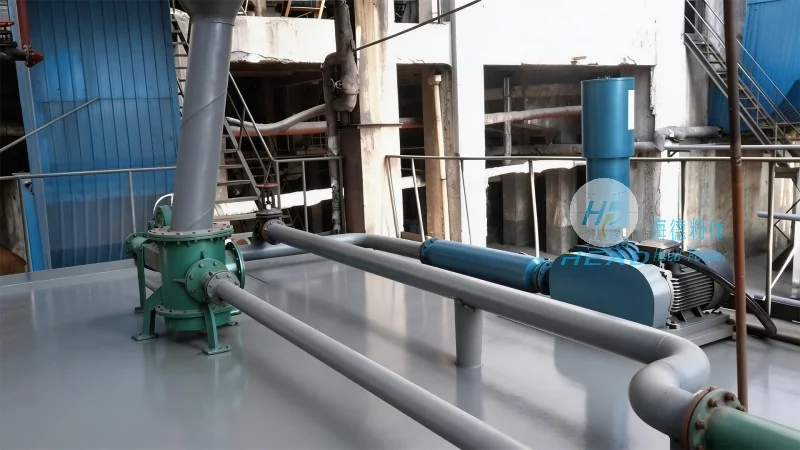
Several critical factors must be evaluated when designing a textile fiber pneumatic conveying system. The first is the material's characteristics, including its bulk density, flowability, and moisture content. These properties directly impact the system's capacity and the type of conveying method (e.g., dilute phase vs. dense phase). The second factor is the system's layout and the distance between the source and destination points. The layout should minimize bends and vertical lifts to reduce pressure drop and energy loss. Third, the choice of air velocity and pressure is crucial. High air velocity can cause material degradation, while insufficient velocity may lead to blockages. The system must also consider the presence of dust and the need for proper filtration and dust collection to comply with environmental regulations.
System Components and Their Functions
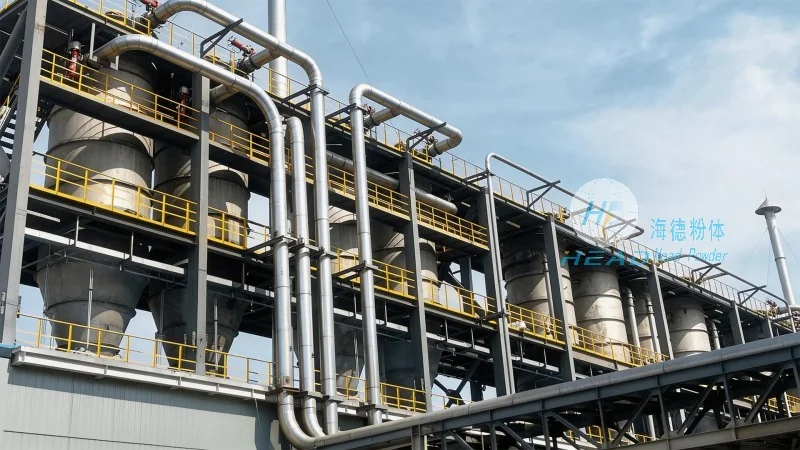
A typical textile fiber pneumatic conveying system consists of several key components, each playing a vital role in the overall operation. The first component is the material hopper or feeder, which stores and feeds the textile fibers into the system. This component must be designed to prevent material bridging and ensure a consistent flow rate. The second component is the air supply system, which includes a blower or compressor that generates the necessary air pressure. The blower's capacity and type (e.g., positive displacement or centrifugal) are selected based on the system's requirements. The third component is the conveying line, which can be made of metal or plastic pipes. The line's diameter and length are critical for maintaining the desired air velocity and pressure. The fourth component is the dust collection system, which captures any airborne particles and prevents contamination. This system typically includes a filter and a dust bin. Finally, the destination hopper or silo receives the conveyed material, ensuring a smooth transition to the next processing step.
Optimizing System Performance and Maintenance
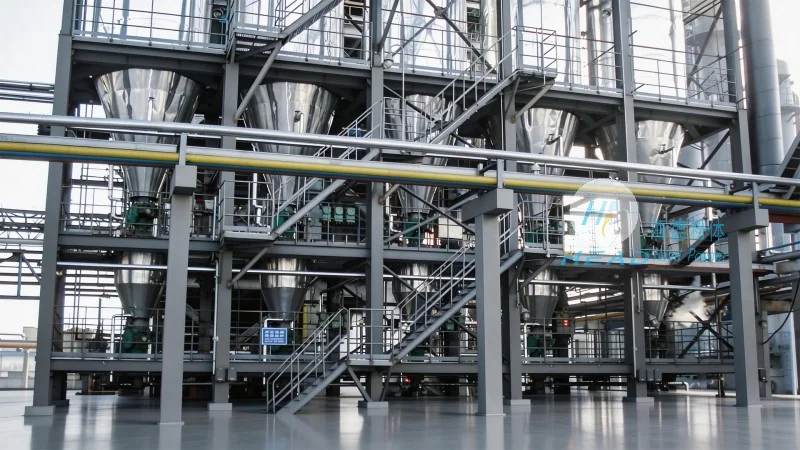
Once the system is installed, regular maintenance is essential to ensure its long-term performance. This includes checking the blower's performance, cleaning the filter and dust collection system, and inspecting the conveying line for any blockages or wear. Additionally, monitoring the system's pressure and air flow can help identify potential issues before they become major problems. By implementing these maintenance practices, the system's efficiency and lifespan can be significantly extended. Furthermore, HeadPowder offers customized solutions tailored to the specific needs of each client, ensuring that the system meets all operational requirements and complies with industry standards.
Conclusion
Designing a reasonable textile fiber pneumatic conveying system requires a thorough understanding of the material's properties, the system's layout, and the various components involved. By considering these factors and working with experienced engineers like those at Shandong HeadPowder Engineering Co., Ltd., businesses can achieve efficient, reliable, and cost-effective material handling solutions. The key is to balance performance, maintenance, and cost to create a system that meets the unique demands of textile processing while ensuring long-term success.

 Công ty TNHH Kỹ thuật Công trình Bột Hải Đức Sơn Đông
 156-6277-7102(Quản lý Trương)
  0531-83386006
  Quận Chương Khâu, Thành phố Tế Nam, Tỉnh Sơn Đông, Trung Quốc
Điện thoại
WeChatTư vấn
Lên đầu