Công ty Hải Đức Bột với hơn 10 năm kinh nghiệm vận chuyển khí, cung cấp hệ thống‑thiết bị‑quạt gió và nhận dự án tổng thầu bột cả nước
Methylcellulose, a versatile polymer widely used in various industrial applications, often requires efficient and reliable transportation methods. Pneumatic conveying systems offer an effective solution for handling methylcellulose, especially when dealing with fine powders or granules. Designing a system that meets operational requirements, safety standards, and cost-efficiency is crucial for industrial success. This article outlines key considerations and steps to design a reasonable methylcellulose pneumatic conveying system plan, with a focus on practical implementation and performance optimization.
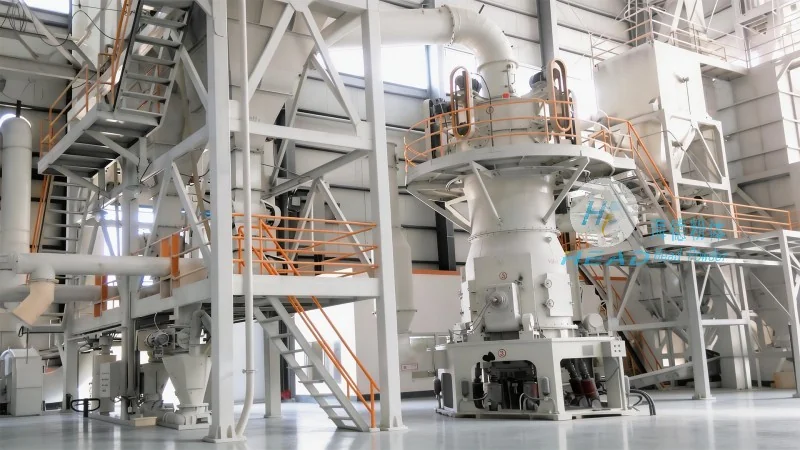
Understanding Methylcellulose Properties and Handling Challenges
Before designing a pneumatic conveying system for methylcellulose, it is essential to understand the material's physical and chemical properties. Methylcellulose is typically a white to off-white powder or granule, with properties such as moisture sensitivity, flowability, and dust generation. These characteristics influence the choice of conveying system type, material handling equipment, and system components. For instance, the material's hygroscopic nature may require moisture control measures to prevent clumping or degradation. Additionally, its fine particle size can affect air flow dynamics and system pressure requirements. By analyzing these properties, engineers can select appropriate system configurations and control strategies to ensure smooth operation and minimize downtime.
Key Design Considerations for Pneumatic Conveying Systems
Designing a pneumatic conveying system involves several critical factors that impact system performance and reliability. The first consideration is the system type, which can be categorized into pressure or vacuum systems. Pressure systems use compressed air to push material through the pipeline, while vacuum systems use suction to draw material. The choice depends on factors like material characteristics, distance, and layout. For methylcellulose, a pressure system is often preferred due to its ability to handle fine powders and maintain consistent flow rates. Another key factor is the pipeline layout, including the number of bends, vertical and horizontal runs, and the use of expansion joints or flexible connectors to accommodate thermal expansion and reduce pressure losses. The system's capacity, determined by the required flow rate and material density, also plays a vital role in component sizing, such as the air compressor, cyclone separator, and material feeders. Proper sizing ensures that the system operates within its optimal range, preventing overloading or underutilization.
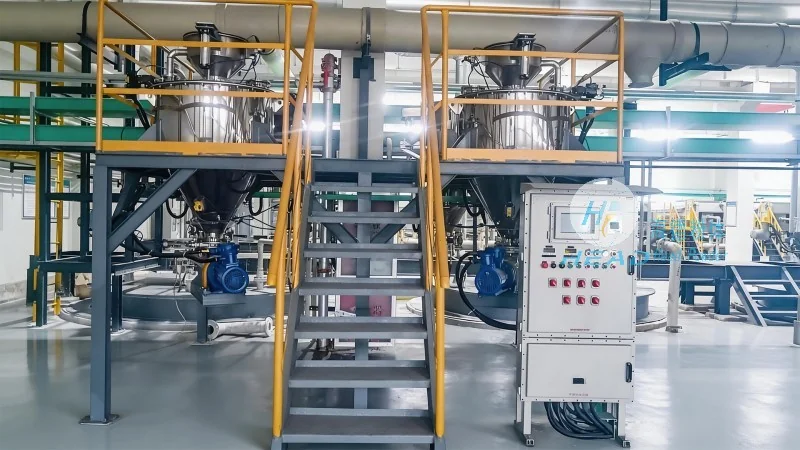
Material Handling Equipment and Components
The selection of material handling equipment and components is critical to the success of a methylcellulose pneumatic conveying system. The material feeder, responsible for introducing the material into the system, must be designed to handle the material's flowability and prevent blockages. Options include rotary valves, star feeders, or screw feeders, each with specific advantages depending on the material's characteristics. The air compressor, which provides the necessary pressure or vacuum, should be chosen based on the system's required air volume and pressure. High-efficiency compressors with proper filtration and moisture removal are essential to maintain system performance and prevent contamination. The cyclone separator, used to separate the material from the air stream, is a key component for material recovery and air filtration. Its design, including the number of stages and particle size, affects the efficiency of material recovery and the quality of the air discharged. Other components, such as filters, silencers, and pressure relief valves, are also critical for system safety and maintenance.
System Integration and Control Strategies
Integrating the various components of a pneumatic conveying system and implementing effective control strategies is essential for optimal performance. The system should be designed with a control panel that allows for monitoring and adjustment of key parameters, such as air pressure, flow rate, and material feed rate. Automation systems can enhance operational efficiency by controlling the system based on real-time data, reducing human intervention and minimizing errors. Additionally, the system should include safety features, such as pressure relief valves, emergency shut-off valves, and alarms, to prevent accidents and ensure compliance with safety regulations. Proper maintenance and regular inspections are also crucial to ensure the system operates at peak performance and to extend its lifespan. By integrating these elements, engineers can create a reliable and efficient methylcellulose pneumatic conveying system that meets the specific needs of the application.
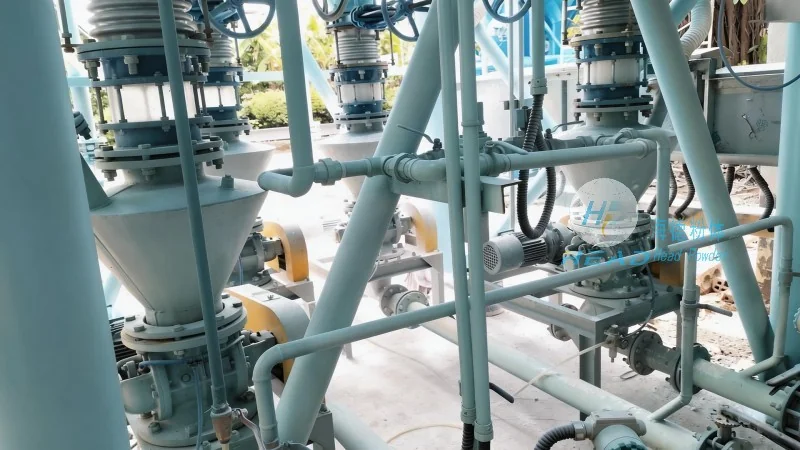
Case Study: Successful Implementation by Shandong HeadPowder Engineering Co., Ltd.
Shandong HeadPowder Engineering Co., Ltd., a leading provider of engineering solutions, has successfully implemented methylcellulose pneumatic conveying systems for various clients. The company's expertise in material handling and system design has enabled them to deliver customized solutions that meet the unique requirements of each project. For example, a client in the pharmaceutical industry required a system to transport methylcellulose powder with high precision and low contamination risk. HeadPowder designed a pressure pneumatic conveying system with a rotary valve feeder, cyclone separator, and advanced control panel. The system was installed and commissioned, achieving the required flow rate and material recovery efficiency. The client reported significant improvements in production efficiency and reduced downtime due to the system's reliability. This case study highlights the importance of professional engineering and customized solutions in designing effective methylcellulose pneumatic conveying systems.
Conclusion and Recommendations
Designing a reasonable methylcellulose pneumatic conveying system plan requires a comprehensive understanding of material properties, system design principles, and component selection. By considering factors such as system type, pipeline layout, and control strategies, engineers can create a system that is efficient, reliable, and cost-effective. It is also important to involve experienced professionals, such as those from Shandong HeadPowder Engineering Co., Ltd., to ensure the system meets all operational and safety requirements. Regular maintenance and monitoring are essential to maintain system performance over time. By following these guidelines, industries can successfully implement pneumatic conveying systems for methylcellulose, improving production efficiency and reducing operational costs.

 Công ty TNHH Kỹ thuật Công trình Bột Hải Đức Sơn Đông
 156-6277-7102(Quản lý Trương)
  0531-83386006
  Quận Chương Khâu, Thành phố Tế Nam, Tỉnh Sơn Đông, Trung Quốc
Điện thoại
WeChatTư vấn
Lên đầu