Công ty Hải Đức Bột với hơn 10 năm kinh nghiệm vận chuyển khí, cung cấp hệ thống‑thiết bị‑quạt gió và nhận dự án tổng thầu bột cả nước
When it comes to handling lithium hexafluorophosphate (LiPF₆), a critical component in lithium-ion battery production, the design of an efficient and safe pneumatic conveying system is paramount. Proper system design ensures reliable material transport, minimizes dust exposure, and optimizes operational efficiency. This article provides a comprehensive guide to designing a reasonable LiPF₆ pneumatic conveying system, focusing on key considerations and practical implementation strategies.
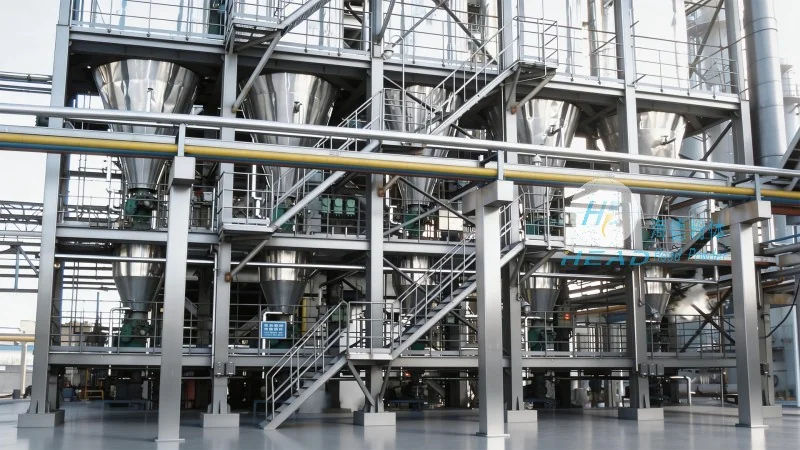
Understanding the Importance of System Design for LiPF₆
Lithium hexafluorophosphate is a hygroscopic and potentially hazardous material, making its handling require specialized equipment and processes. A well-designed pneumatic conveying system not only facilitates smooth material transfer but also enhances workplace safety by controlling dust and preventing contamination. The system's design must align with the material's physical properties, such as its particle size, density, and flow characteristics, to ensure optimal performance.
Key Design Considerations for a LiPF₆ Pneumatic Conveying System
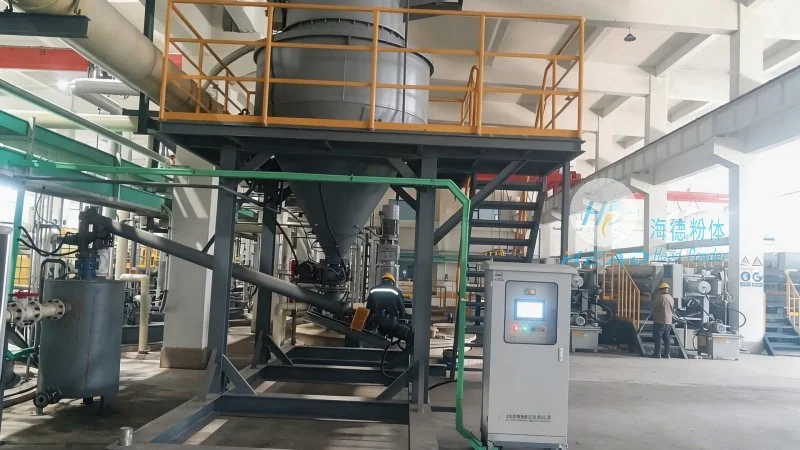
Several critical factors must be considered when designing a LiPF₆ pneumatic conveying system. First, the system's capacity and flow rate must match the production requirements. This involves calculating the required air volume and pressure to achieve the desired material throughput. Second, the choice of conveying method—whether dilute phase or dense phase—depends on the material's characteristics and the distance of transport. Dilute phase systems are suitable for short distances and low to medium material loads, while dense phase systems are ideal for longer distances and higher material concentrations.
Third, the selection of components, including the air compressor, filter, and conveying pipeline, is crucial. The air compressor must provide sufficient pressure and volume to move the material efficiently without causing excessive wear on the system. High-quality filters are essential to maintain air purity and prevent contamination of the LiPF₆. The pipeline design, including diameter and material, must withstand the pressure and potential abrasion from the material particles.
Components of a Typical LiPF₆ Pneumatic Conveying System
A standard LiPF₆ pneumatic conveying system typically includes several key components. The air compressor generates the necessary airflow and pressure to transport the material. A filter system removes contaminants from the air, ensuring the material remains clean. The conveying pipeline, often made of stainless steel or other corrosion-resistant materials, transports the material from the source to the destination. A hopper or feeder is used to introduce the material into the system, while a receiver or silo collects the material at the end of the line. Additionally, control valves and sensors are integrated to monitor and regulate the system's operation.
Design Process and Best Practices
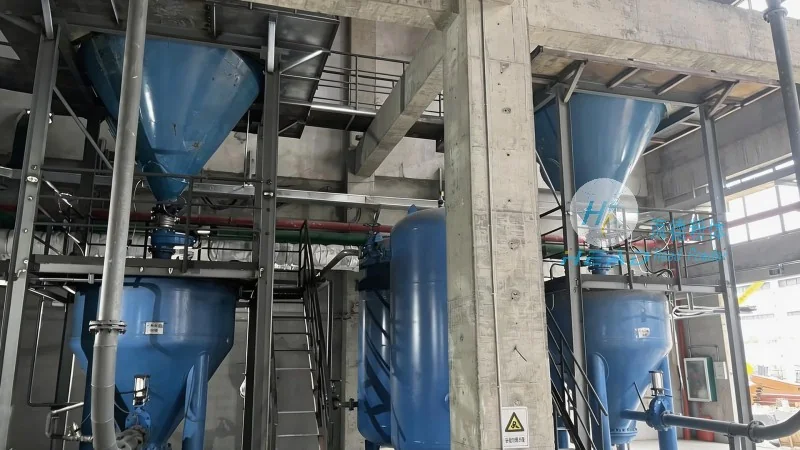
The design process for a LiPF₆ pneumatic conveying system involves several steps. First, the material's properties are analyzed, including particle size distribution, bulk density, and moisture content. This data is used to determine the appropriate conveying method and system parameters. Next, the system layout is planned, considering the distance between the source and destination, and any obstacles or changes in elevation. The system is then sized based on the calculated air volume and pressure requirements. Finally, the components are selected and integrated, with regular testing and adjustments to ensure optimal performance.
Best practices in system design include regular maintenance and inspection of components to prevent wear and tear. This includes checking the air compressor's performance, cleaning filters, and inspecting pipelines for leaks or damage. Additionally, implementing safety measures, such as dust collection systems and emergency shut-off valves, is essential to protect workers and the environment.
Case Study: A Successful LiPF₆ Pneumatic Conveying System Implementation
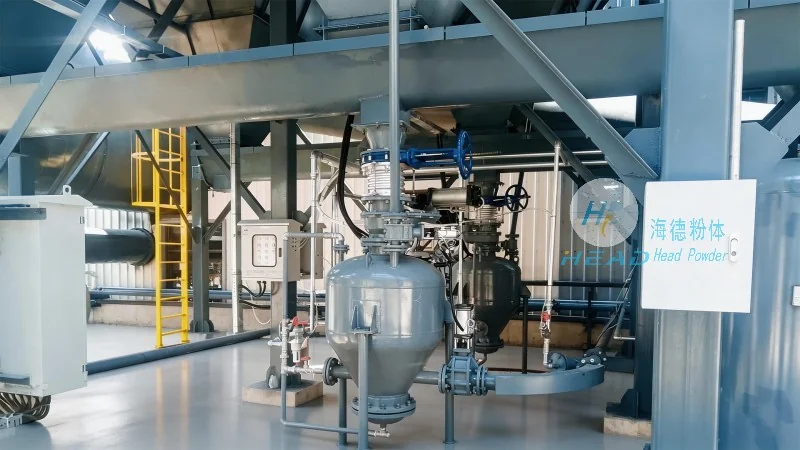
Shandong HeadPowder Engineering Co., Ltd., a leading provider of material handling solutions, recently completed a project for a lithium-ion battery manufacturer. The client required a pneumatic conveying system to transport LiPF₆ from a storage silo to a mixing and packaging line. The system was designed to handle 10 tons per hour of material over a distance of 50 meters. The design team at HeadPowder selected a dilute phase system with a stainless steel pipeline and a high-efficiency filter. The system was installed and tested, achieving the required throughput with minimal dust generation. The client reported improved operational efficiency and reduced labor costs due to the automated system.
Conclusion and Recommendations
Designing a reasonable LiPF₆ pneumatic conveying system requires careful consideration of material properties, system capacity, and operational requirements. By following best practices and selecting appropriate components, manufacturers can achieve efficient and safe material transport. Shandong HeadPowder Engineering Co., Ltd. offers comprehensive design and implementation services to help clients optimize their LiPF₆ handling processes. With a focus on quality and safety, HeadPowder provides tailored solutions that meet the specific needs of each project.

 Công ty TNHH Kỹ thuật Công trình Bột Hải Đức Sơn Đông
 156-6277-7102(Quản lý Trương)
  0531-83386006
  Quận Chương Khâu, Thành phố Tế Nam, Tỉnh Sơn Đông, Trung Quốc
Điện thoại
WeChatTư vấn
Lên đầu