Công ty Hải Đức Bột với hơn 10 năm kinh nghiệm vận chuyển khí, cung cấp hệ thống‑thiết bị‑quạt gió và nhận dự án tổng thầu bột cả nước
When it comes to efficiently handling potato starch in processing facilities, selecting the appropriate pneumatic conveying system is crucial. The right system ensures smooth material flow, reduces downtime, and maintains product quality throughout the production process. This guide will help you understand the key factors to consider when choosing a pneumatic conveying system tailored to your potato starch processing needs.
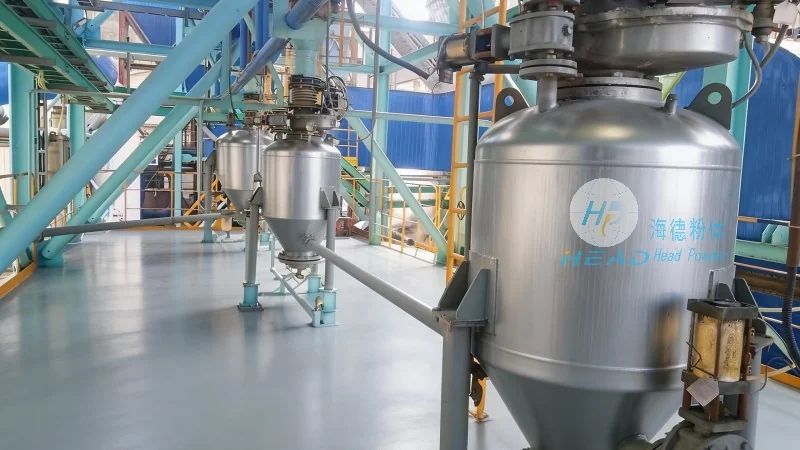
Understanding the Importance of Proper Material Handling
For potato starch manufacturers, the efficiency of material handling directly impacts overall production efficiency. Traditional methods like manual handling or mechanical conveyors may lead to issues such as product contamination, increased labor costs, and higher maintenance expenses. Pneumatic conveying systems offer a solution by using air to transport powders like potato starch in a controlled and hygienic manner. This approach minimizes the risk of cross-contamination and ensures that the product remains in optimal condition from raw material to final packaging.
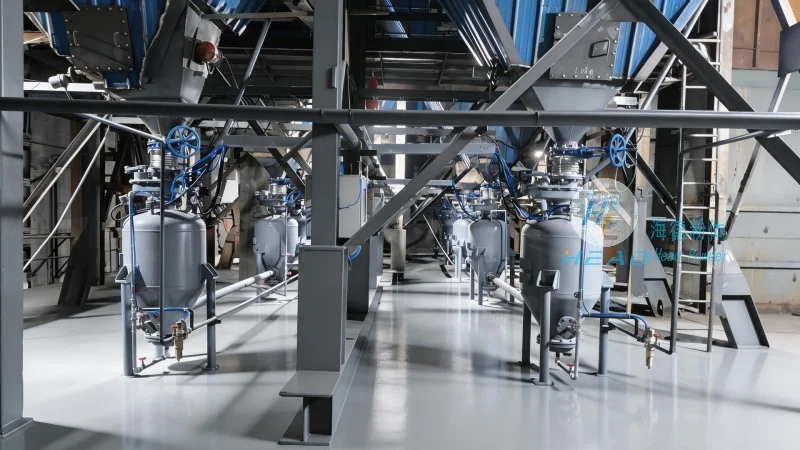
Key Factors to Consider When Selecting a Pneumatic Conveying System
Several critical factors must be evaluated when choosing a pneumatic conveying system for potato starch processing. The first consideration is the material's characteristics, including its density, moisture content, and flowability. Potato starch is a fine powder that can be prone to bridging or caking in certain conditions, so the system must be designed to handle these challenges effectively. Additionally, the system's capacity and the required conveying distance are important. A well-designed system will match the production rate of your facility, ensuring that it can handle the volume of potato starch being processed without bottlenecks.
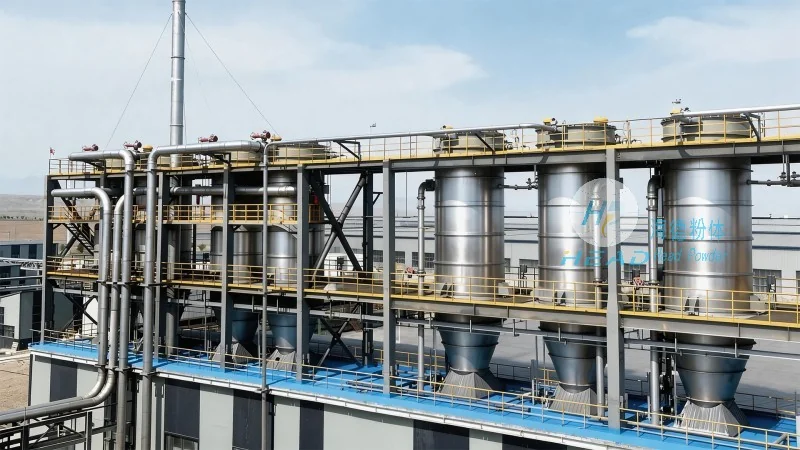
Types of Pneumatic Conveying Systems for Potato Starch
There are primarily two types of pneumatic conveying systems commonly used in potato starch processing: positive pressure and negative pressure systems. Positive pressure systems, such as pressure vessels or rotary air locks, push the material through the system using compressed air. These systems are often preferred for their ability to handle abrasive materials and for their lower maintenance requirements. Negative pressure systems, on the other hand, use vacuum to draw the material into the system. They are suitable for applications where the material needs to be transported from multiple sources or where the system is located in a lower part of the facility.
HeadPowder's Expertise in Pneumatic Conveying Solutions
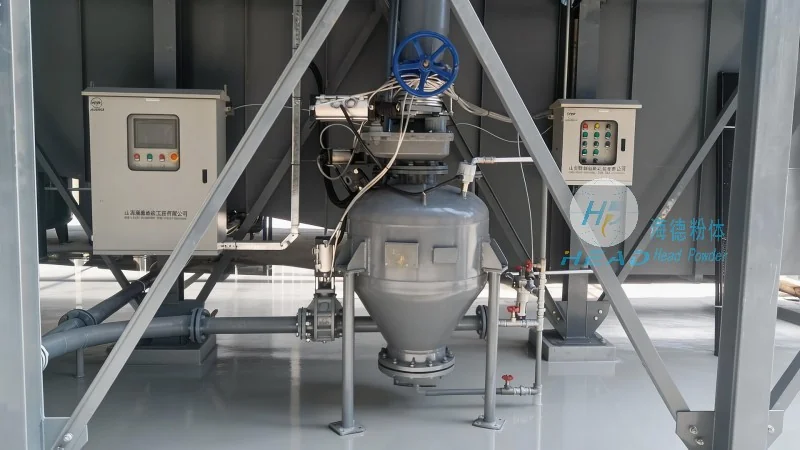
Shandong HeadPowder Engineering Co., Ltd., based in Shandong, China, specializes in providing customized pneumatic conveying solutions for various industries, including food processing. With years of experience in the field, HeadPowder understands the unique challenges of handling potato starch and offers tailored systems that meet the specific needs of each client. The company's team of engineers works closely with clients to assess their production requirements, material properties, and operational constraints to design a system that maximizes efficiency and reliability.
Customization and Integration Services
HeadPowder provides comprehensive customization and integration services to ensure that the pneumatic conveying system seamlessly integrates with existing processing equipment. This includes designing the system to fit within the facility's layout, coordinating with other machinery, and ensuring compliance with industry standards and regulations. The company also offers maintenance and support services to help clients maintain optimal performance of their conveying systems over time. By partnering with HeadPowder, potato starch manufacturers can benefit from a reliable and efficient material handling solution that enhances their overall production capabilities.

 Công ty TNHH Kỹ thuật Công trình Bột Hải Đức Sơn Đông
 156-6277-7102(Quản lý Trương)
  0531-83386006
  Quận Chương Khâu, Thành phố Tế Nam, Tỉnh Sơn Đông, Trung Quốc
Điện thoại
WeChatTư vấn
Lên đầu