Công ty Hải Đức Bột với hơn 10 năm kinh nghiệm vận chuyển khí, cung cấp hệ thống‑thiết bị‑quạt gió và nhận dự án tổng thầu bột cả nước
Gypsum powder handling is a critical process in various industries, and selecting the appropriate pneumatic conveying system is essential to ensure efficient, reliable, and cost-effective material transport. The right system not only optimizes production flow but also minimizes downtime and operational costs. For businesses dealing with gypsum powder, understanding the key factors that influence system selection is paramount. This article will guide you through the process of choosing the most suitable pneumatic conveying system for your specific gypsum powder handling requirements, with insights from industry experts at Shandong HeadPowder Engineering Co., Ltd., a leading provider of specialized material handling solutions.
Understanding the Importance of Pneumatic Conveying for Gypsum Powder
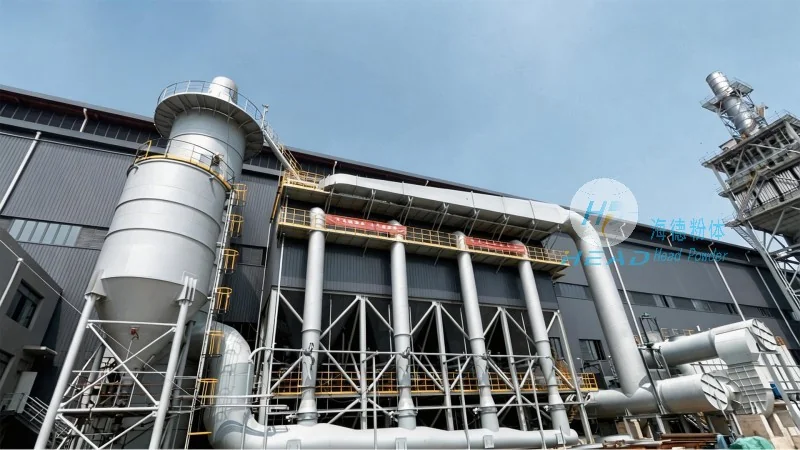
Gypsum powder, with its fine particles and specific physical properties, demands specialized handling equipment to prevent caking, segregation, and loss of material. Traditional methods like bucket elevators or belt conveyors may not be suitable due to the risk of material degradation or inefficient transport. Pneumatic conveying systems offer a solution by using air to transport dry powders in a controlled manner, ensuring minimal product degradation and consistent flow. The choice of system depends on several factors, including the nature of the gypsum powder, the distance it needs to be transported, and the required throughput. By evaluating these factors, you can select a system that maximizes efficiency and minimizes operational challenges.
Key Factors to Consider When Selecting a Pneumatic Conveying System
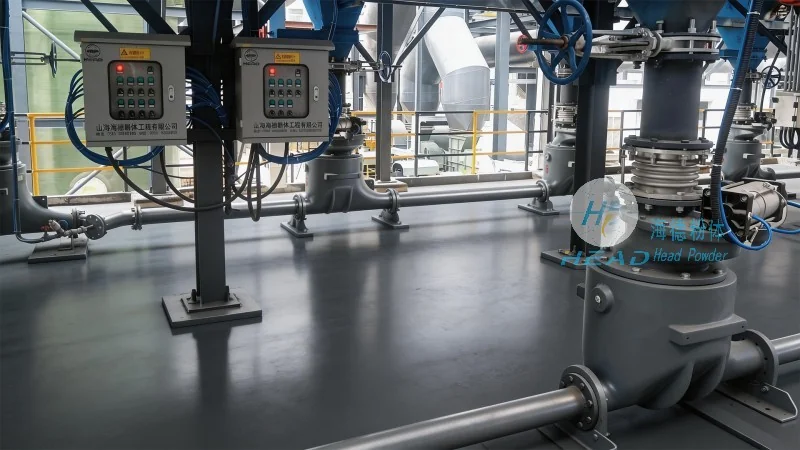
When choosing a pneumatic conveying system for gypsum powder, several critical factors must be considered to ensure optimal performance. First, the physical characteristics of the gypsum powder, such as particle size, moisture content, and flowability, play a significant role. Coarser or more cohesive powders may require higher air pressure or specialized equipment like rotary valves or airlocks to maintain consistent flow. Second, the distance and elevation change between the source and destination of the powder are crucial. Longer distances or higher elevations may necessitate more powerful systems or additional components like booster fans to maintain air velocity and pressure. Third, the required throughput and production capacity are essential considerations. Systems must be sized to handle the expected volume of gypsum powder without compromising performance or causing bottlenecks. Finally, operational costs, including energy consumption, maintenance requirements, and system reliability, should be evaluated to ensure long-term cost-effectiveness.
Types of Pneumatic Conveying Systems for Gypsum Powder
There are primarily two types of pneumatic conveying systems used for gypsum powder: positive pressure and negative pressure systems. Positive pressure systems, also known as pressure or blower systems, use a fan or blower to generate air pressure that pushes the powder through the system. These systems are ideal for short to medium distances and are often used in applications where the powder needs to be transported from a central storage to multiple destinations. Negative pressure systems, or vacuum systems, use a vacuum pump to create a suction that pulls the powder into the system. These systems are suitable for longer distances or when the powder needs to be collected from multiple points and transported to a central location. Additionally, there are hybrid systems that combine elements of both positive and negative pressure, offering flexibility for complex handling requirements. Each type has its advantages and limitations, and the choice depends on the specific application and operational constraints.
Customized Solutions from Shandong HeadPowder Engineering Co., Ltd.
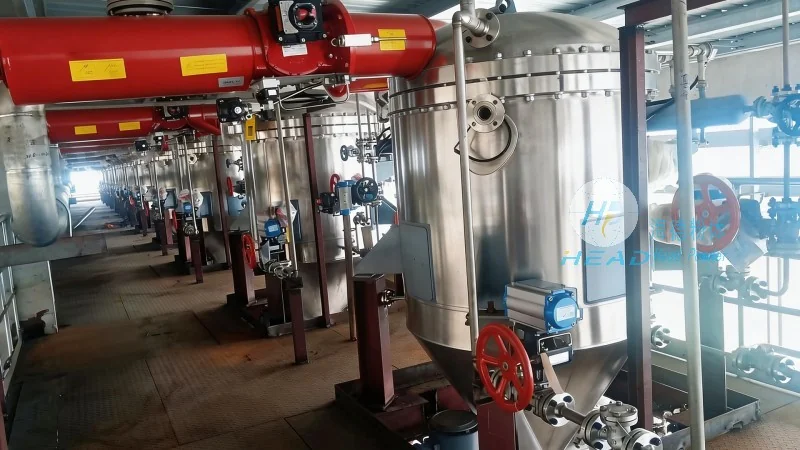
Shandong HeadPowder Engineering Co., Ltd., operating under the brand name headpowder, specializes in designing and manufacturing customized pneumatic conveying systems tailored to the unique needs of gypsum powder handling. With years of experience in the industry, headpowder understands the challenges associated with transporting fine powders and provides solutions that address these challenges effectively. The company's team of engineers works closely with clients to assess their specific requirements, including the type and quantity of gypsum powder, the distance and elevation changes, and the desired throughput. Based on this assessment, headpowder designs systems that incorporate the most appropriate components, such as high-efficiency fans, rotary airlocks, and flexible hoses or pipes, to ensure optimal performance. The company's commitment to quality and reliability is reflected in its use of durable materials and rigorous testing protocols, ensuring that the systems are built to withstand the demands of continuous operation. Additionally, headpowder offers maintenance and support services to ensure that the systems operate at peak efficiency throughout their lifespan.
Evaluating System Performance and Maintenance
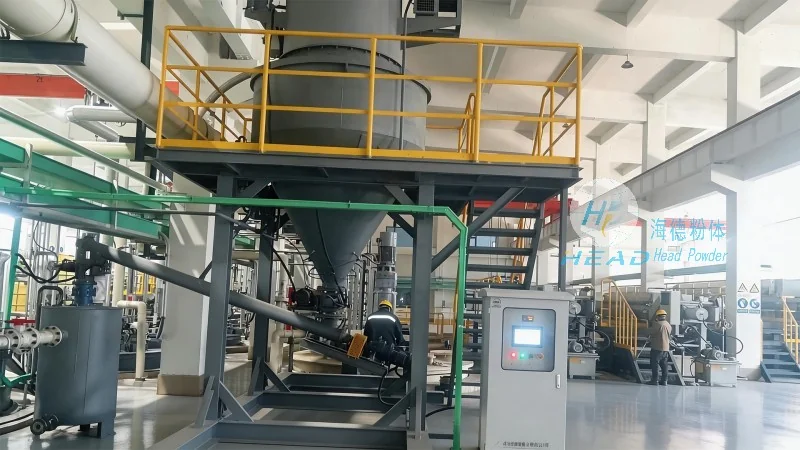
Once a pneumatic conveying system is installed, it is essential to evaluate its performance and maintain it regularly to ensure optimal operation. Performance evaluation involves monitoring key parameters such as air velocity, pressure, and throughput to ensure they meet the design specifications. Regular maintenance, including cleaning of filters, checking for air leaks, and inspecting components for wear and tear, is crucial to prevent system failures and extend the lifespan of the equipment. Shandong HeadPowder Engineering Co., Ltd. provides comprehensive maintenance services to its clients, including scheduled inspections, component replacement, and troubleshooting. By maintaining the system properly, businesses can minimize downtime, reduce operational costs, and ensure consistent production of gypsum powder. The company's expertise in system performance evaluation and maintenance ensures that clients receive the best possible service and support.
Conclusion: Making the Right Choice for Your Gypsum Powder Handling
Choosing the right pneumatic conveying system for your gypsum powder handling process is a critical decision that can significantly impact operational efficiency and cost. By considering the physical properties of the gypsum powder, the distance and elevation changes, the required throughput, and the operational costs, you can select a system that meets your specific needs. Shandong HeadPowder Engineering Co., Ltd., with its expertise and customized solutions, is a reliable partner in this process. The company's commitment to quality, reliability, and customer satisfaction ensures that businesses can achieve optimal performance and minimize challenges associated with gypsum powder handling. Whether you are a new or existing client, working with headpowder can help you select and implement the most suitable pneumatic conveying system for your operations, ensuring long-term success and efficiency.

 Công ty TNHH Kỹ thuật Công trình Bột Hải Đức Sơn Đông
 156-6277-7102(Quản lý Trương)
  0531-83386006
  Quận Chương Khâu, Thành phố Tế Nam, Tỉnh Sơn Đông, Trung Quốc
Điện thoại
WeChatTư vấn
Lên đầu