Công ty Hải Đức Bột với hơn 10 năm kinh nghiệm vận chuyển khí, cung cấp hệ thống‑thiết bị‑quạt gió và nhận dự án tổng thầu bột cả nước
When it comes to managing the transportation of cellulose materials in industrial settings, selecting the appropriate pneumatic conveying system is crucial for efficiency, cost-effectiveness, and operational reliability. The right system not only ensures smooth material flow but also minimizes downtime and maintenance costs. This guide aims to help you navigate the key considerations when choosing a pneumatic conveying system tailored to your cellulose handling process, with insights from industry experts at Shandong HeadPowder Engineering Co., Ltd., a leading provider of specialized material handling solutions.
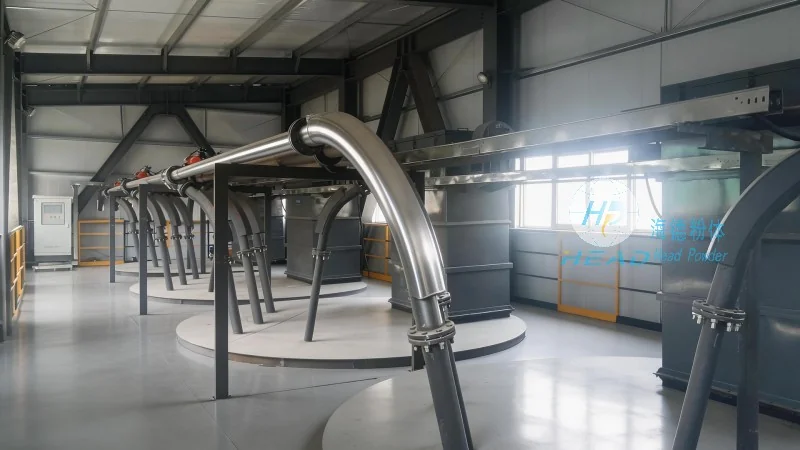
Understanding the Basics of Pneumatic Conveying for Cellulose
Pneumatic conveying systems use air or other gases to transport bulk materials like cellulose through a pipeline. These systems are categorized into two main types: positive pressure and negative pressure. Positive pressure systems push material through the pipeline using a blower or compressor at the inlet, while negative pressure systems pull material from the source using a vacuum at the outlet. The choice between these systems depends on factors such as the distance of material transport, the amount of material to be moved, and the specific characteristics of the cellulose being handled.
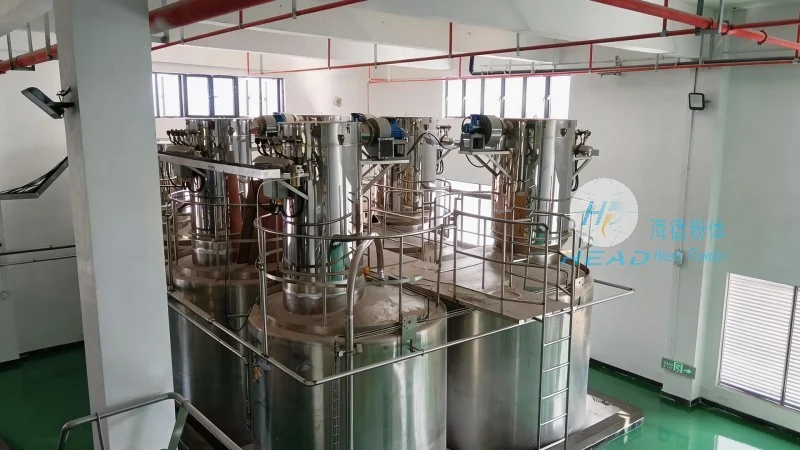
Key Factors to Consider When Selecting a System
Several critical factors must be evaluated when selecting a pneumatic conveying system for cellulose. First, the physical properties of the cellulose, including particle size, moisture content, and bulk density, significantly impact system design. For example, fine or powdery cellulose may require a system with higher air velocity to prevent clogging, while larger particles might benefit from a system with larger pipe diameters to reduce friction. Second, the distance and layout of the material transport route are essential. Longer distances may necessitate multiple stages or larger blower capacities to maintain sufficient pressure. Third, the required throughput and operational speed are key considerations. High-volume applications may demand systems with higher air flow rates and robust components to handle continuous operation. Additionally, the environmental and safety requirements of the facility, such as dust control and explosion-proofing, must be addressed to ensure compliance with regulations and maintain a safe working environment.
Types of Pneumatic Conveying Systems for Cellulose
HeadPowder offers a range of pneumatic conveying systems designed to meet diverse cellulose handling needs. The most common types include: Positive Pressure Systems, which are ideal for applications requiring high pressure and long-distance transport. These systems use a positive pressure blower to push material through the pipeline, making them suitable for moving cellulose from a central storage to multiple processing points. Negative Pressure Systems, on the other hand, are often preferred for short-distance transport or when handling materials that are sensitive to pressure changes. These systems use a vacuum to draw material from the source, reducing the risk of material degradation. Combination Systems are also available, which combine both positive and negative pressure stages to optimize material transport over varying distances. Each system type has its advantages and is selected based on the specific requirements of the cellulose handling process.
Design and Installation Considerations
The design and installation of a pneumatic conveying system for cellulose require careful planning to ensure optimal performance. HeadPowder engineers consider factors such as the system's capacity, the type of cellulose being handled, and the layout of the facility. For instance, the pipeline layout must be designed to minimize bends and changes in direction, as these can cause pressure drops and material accumulation. Proper sealing and maintenance of the system components are also critical to prevent leaks and ensure consistent air flow. Additionally, the system should be equipped with appropriate filters and cyclones to separate the cellulose from the air, reducing maintenance and improving overall efficiency. HeadPowder's team of experts provides comprehensive design and installation services, ensuring that the system is tailored to the unique needs of each client.
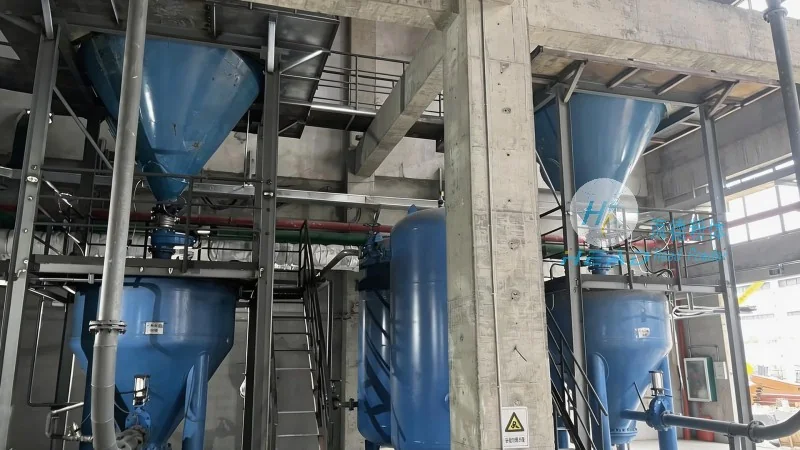
Benefits of Choosing HeadPowder for Your Cellulose Conveying Needs
Partnering with Shandong HeadPowder Engineering Co., Ltd. offers several advantages when selecting a pneumatic conveying system for cellulose. Our company specializes in customizing solutions to meet the specific requirements of each client, ensuring that the system is both efficient and cost-effective. We leverage advanced technology and industry expertise to design systems that minimize downtime and maximize throughput. Our commitment to quality and reliability is reflected in the durability and performance of our equipment, which is built to withstand the demands of industrial cellulose handling. Furthermore, HeadPowder provides comprehensive support, including maintenance services and technical assistance, to ensure that the system operates at peak performance throughout its lifecycle. By choosing HeadPowder, you can trust that your cellulose handling process will be optimized for efficiency and reliability.

 Công ty TNHH Kỹ thuật Công trình Bột Hải Đức Sơn Đông
 156-6277-7102(Quản lý Trương)
  0531-83386006
  Quận Chương Khâu, Thành phố Tế Nam, Tỉnh Sơn Đông, Trung Quốc
Điện thoại
WeChatTư vấn
Lên đầu