Công ty Hải Đức Bột với hơn 10 năm kinh nghiệm vận chuyển khí, cung cấp hệ thống‑thiết bị‑quạt gió và nhận dự án tổng thầu bột cả nước
Polysilicon, a critical material in the semiconductor industry, requires efficient and reliable handling during its production and processing stages. The choice of a suitable pneumatic conveying system is paramount to ensure optimal performance, minimize material loss, and maintain product quality. This guide outlines key considerations and factors to help you select the most appropriate system for your polysilicon handling operations.
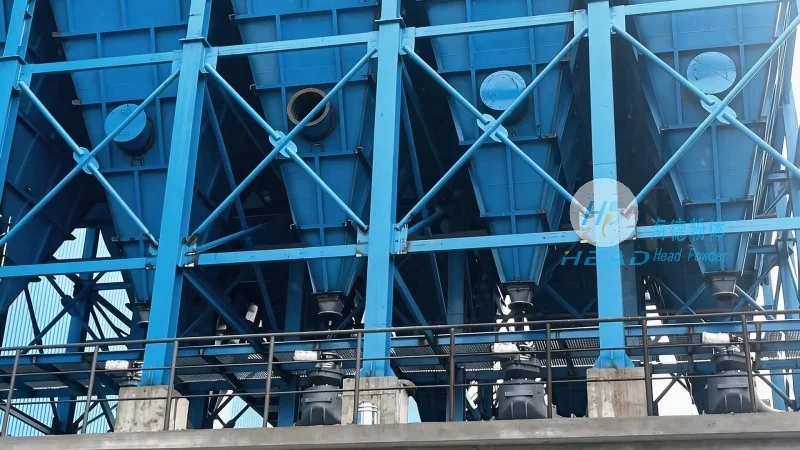
When evaluating pneumatic conveying systems for polysilicon, several critical factors must be taken into account. The first is the material's physical properties, such as particle size, density, and flowability. Polysilicon particles are typically fine and can be prone to dust generation, making the selection of an appropriate system design crucial. Additionally, the system must be capable of handling the material's potential moisture content and any contaminants that may affect downstream processes.
Another key consideration is the required conveying distance and throughput. Different systems, like dilute-phase and dense-phase conveying, offer varying capabilities in terms of distance and material flow rate. For instance, dilute-phase systems are often used for short to medium distances with high throughput, while dense-phase systems are better suited for longer distances or when precise control over material discharge is needed. Understanding your specific operational requirements will help in matching the system type to your needs.
System reliability and maintenance are also critical aspects to consider. Polysilicon handling environments can be harsh, with high temperatures and abrasive particles. Therefore, the system must be constructed from materials that can withstand these conditions without degradation. Components like valves, filters, and pumps should be durable and easy to maintain to minimize downtime. A well-designed system from a reputable manufacturer can significantly reduce maintenance costs and ensure consistent operation over the long term.
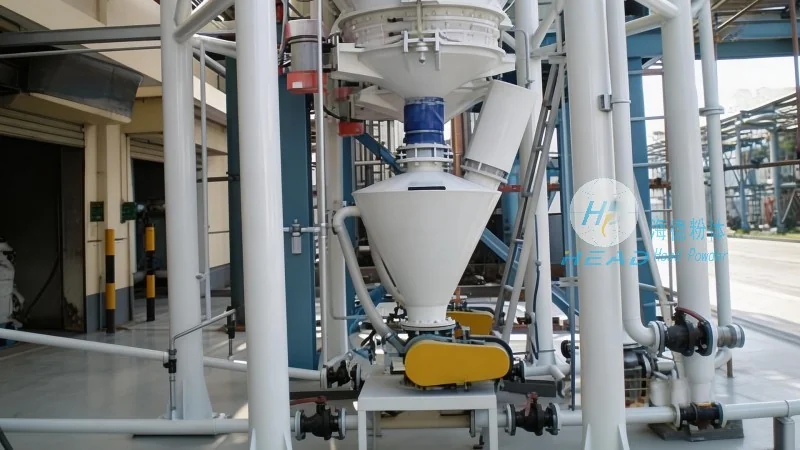
Energy efficiency is another important factor in the selection process. Pneumatic conveying systems consume energy, and choosing an energy-efficient design can lead to long-term cost savings. Modern systems often incorporate advanced control technologies that optimize air usage and reduce energy consumption. Additionally, the system's overall footprint and integration with existing infrastructure should be considered to ensure it fits within your facility's layout and operational constraints.
Regulatory compliance and safety standards are also essential considerations. The handling of polysilicon may involve exposure to dust, which can pose health risks. The system must be designed to minimize dust emissions and comply with local and international safety regulations. Proper ventilation, filtration, and enclosure designs are critical to maintaining a safe working environment. Additionally, the system should be equipped with safety features such as pressure relief valves and emergency shutdown mechanisms to prevent accidents.
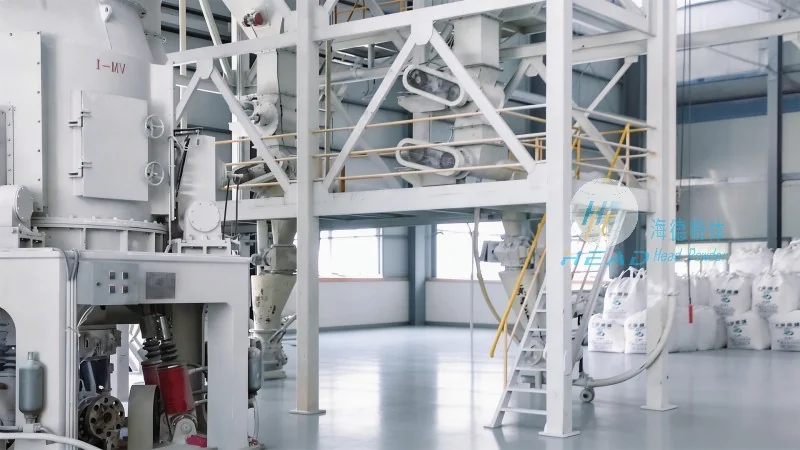
Cost is a significant factor in any equipment purchase decision. The initial investment for a pneumatic conveying system can vary widely depending on the system type, capacity, and features. While a more expensive system may offer better performance and longevity, it's essential to evaluate the total cost of ownership, including maintenance, energy consumption, and potential downtime. A thorough cost-benefit analysis will help you select a system that provides the best value for your investment.
When selecting a pneumatic conveying system for polysilicon handling, it is advisable to consult with experienced manufacturers who specialize in this industry. Companies like Shandong HeadPowder Engineering Co., Ltd., known as headpowder, offer expertise and tailored solutions based on your specific process requirements. Their team of engineers can conduct a detailed assessment of your operations, recommend the most suitable system configuration, and provide support throughout the installation and commissioning phases. By partnering with a reputable supplier, you can ensure that your system meets all your operational and safety needs while delivering optimal performance.
Choosing the right pneumatic conveying system for your polysilicon handling process requires a comprehensive evaluation of material properties, operational requirements, reliability, energy efficiency, safety, and cost. By carefully considering these factors and consulting with industry experts, you can select a system that enhances productivity, ensures product quality, and contributes to the overall success of your polysilicon production and processing operations.

 Công ty TNHH Kỹ thuật Công trình Bột Hải Đức Sơn Đông
 156-6277-7102(Quản lý Trương)
  0531-83386006
  Quận Chương Khâu, Thành phố Tế Nam, Tỉnh Sơn Đông, Trung Quốc
Điện thoại
WeChatTư vấn
Lên đầu