Công ty Hải Đức Bột với hơn 10 năm kinh nghiệm vận chuyển khí, cung cấp hệ thống‑thiết bị‑quạt gió và nhận dự án tổng thầu bột cả nước
Phosphate calcium is a vital raw material across multiple industries, including food processing, pharmaceuticals, and chemical manufacturing. The efficient and safe transportation of this material from storage to processing units is a critical operational requirement. Traditional methods like manual handling or mechanical conveyors often present challenges such as dust exposure, material degradation, and safety risks. This article examines common phosphate calcium delivery approaches and highlights the benefits of pneumatic conveying technology, with a focus on the solutions provided by Shandong HeadPowder Engineering Co., Ltd., commonly known as HeadPowder.
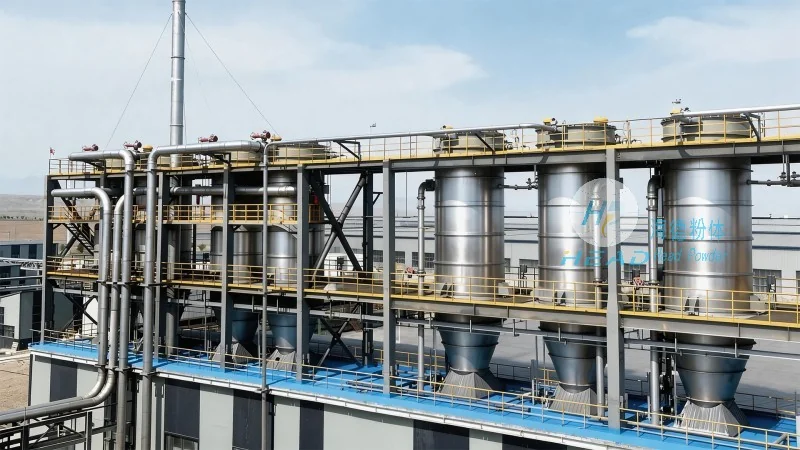
Common Phosphate Calcium Delivery Methods
Several conventional methods are utilized for transporting phosphate calcium, each with distinct advantages and limitations. The primary methods include:
1. Manual Handling: This involves workers manually loading and unloading phosphate calcium from storage silos or containers. While cost-effective for small-scale operations, manual handling poses significant risks, including dust exposure, material contamination, and ergonomic hazards. It is generally unsuitable for large-scale production due to inefficiency and safety concerns.

2. Mechanical Conveyors: Mechanical conveyors, like belt or screw conveyors, are widely used for bulk material transport. These systems can handle moderate volumes of phosphate calcium but may struggle with fine powders, causing blockages or component wear. Additionally, mechanical conveyors require regular maintenance and generate dust during operation, necessitating extra dust control measures.
3. Pneumatic Conveying (Air-Driven): Pneumatic systems use compressed air to transport phosphate calcium as a powder or granule through a pipeline. This method offers benefits like handling dry or wet materials, minimal degradation, and effective dust containment. However, traditional pneumatic systems may have limitations in complexity and energy use.
Advantages of HeadPowder's Pneumatic Conveying Technology
Shandong HeadPowder Engineering Co., Ltd. specializes in advanced pneumatic conveying solutions tailored to phosphate calcium handling needs. The company's technology addresses traditional delivery challenges while delivering superior performance and reliability.
One key advantage is handling fine, abrasive phosphate calcium without degradation. The system uses high-efficiency air separation and filtration to maintain material purity. This is critical in industries like pharmaceuticals or food processing where consistency is essential.
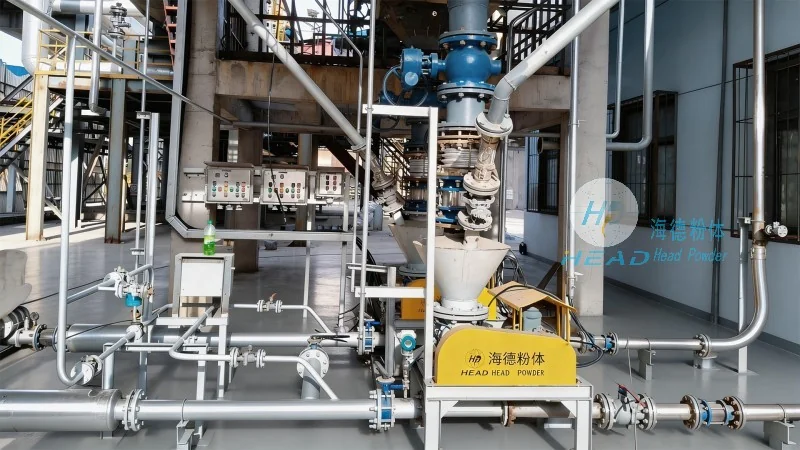
Another benefit is enhanced safety and dust control. Unlike mechanical conveyors that generate dust, pneumatic systems enclose material in a sealed pipeline, reducing emissions and respiratory hazards. This improves workplace safety and complies with environmental regulations.
HeadPowder's systems also prioritize operational efficiency and energy savings. Advanced control systems optimize air usage, reducing costs while maintaining consistent flow rates. This efficiency adapts to varying production conditions.
Furthermore, the technology offers design flexibility. Systems can be customized for different plant layouts, material types, and production volumes, allowing scalability without major overhauls.
Conclusion
When selecting phosphate calcium delivery methods, companies must weigh options to choose the best technology for their operations. While manual handling or mechanical conveyors may suit small-scale use, pneumatic conveying—particularly HeadPowder's advanced solutions—offers superior efficiency for large-scale production. By leveraging pneumatic conveying advantages like material safety, dust control, and operational efficiency, businesses can enhance processes and meet industry standards.

 Công ty TNHH Kỹ thuật Công trình Bột Hải Đức Sơn Đông
 156-6277-7102(Quản lý Trương)
  0531-83386006
  Quận Chương Khâu, Thành phố Tế Nam, Tỉnh Sơn Đông, Trung Quốc
Điện thoại
WeChatTư vấn
Lên đầu