Công ty Hải Đức Bột với hơn 10 năm kinh nghiệm vận chuyển khí, cung cấp hệ thống‑thiết bị‑quạt gió và nhận dự án tổng thầu bột cả nước
Sulfate ferric iron, a crucial chemical compound widely used in water treatment, wastewater management, and industrial processes, requires efficient and reliable transportation methods to ensure consistent performance and operational efficiency. The handling of this material involves addressing challenges such as dust generation, material degradation, and the need for hygienic or controlled environments. Traditional conveying methods, including belt conveyors, screw conveyors, and manual handling, often fall short in meeting the specific demands of sulfate ferric iron, leading to operational inefficiencies and increased maintenance costs. As a result, industries are increasingly turning to advanced technologies like pneumatic conveying to optimize material transport.
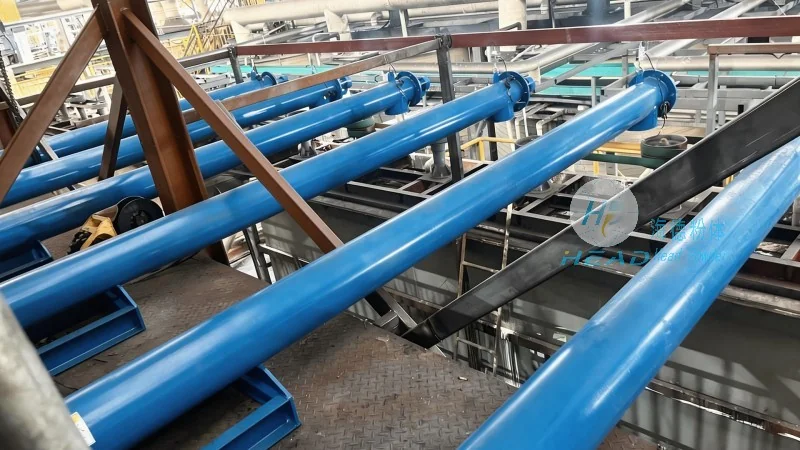
Common Sulfate Ferric Iron Conveying Methods and Their Limitations
Several conventional methods are employed for transporting sulfate ferric iron, each with distinct advantages and drawbacks. Belt conveyors, for instance, are widely used for bulk material handling due to their ability to transport large quantities over long distances. However, they are susceptible to material buildup, which can lead to blockages and increased wear on components. Screw conveyors, another common option, are suitable for horizontal or slight incline transport but may struggle with abrasive materials like sulfate ferric iron, causing premature wear on the screw and housing. Manual handling, while simple, is labor-intensive and poses significant health and safety risks due to the dust and potential for chemical exposure. These traditional methods often result in lower throughput, higher energy consumption, and increased downtime, making them less ideal for modern industrial applications.
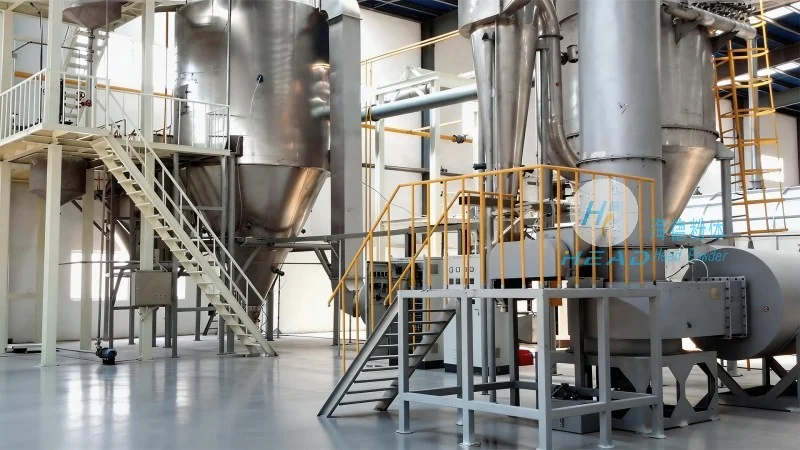
HeadPowder's Pneumatic Conveying System: Advantages and Features
Shandong HeadPowder Engineering Co., Ltd., a leading provider of advanced material handling solutions, offers a specialized pneumatic conveying system designed specifically for sulfate ferric iron. The system leverages compressed air to transport the material in a closed, controlled environment, minimizing dust emissions and ensuring product integrity. Key advantages of HeadPowder's pneumatic conveying system include high efficiency, as it can transport materials over longer distances with minimal energy consumption compared to traditional methods. The closed system also enhances safety by preventing exposure to dust and fumes, reducing the risk of respiratory issues and other health hazards. Additionally, the system is highly flexible, allowing for integration with existing infrastructure and adaptability to various production scales. The technology is engineered to handle the abrasive nature of sulfate ferric iron, with durable components that resist wear and tear, ensuring long-term reliability and reduced maintenance costs.
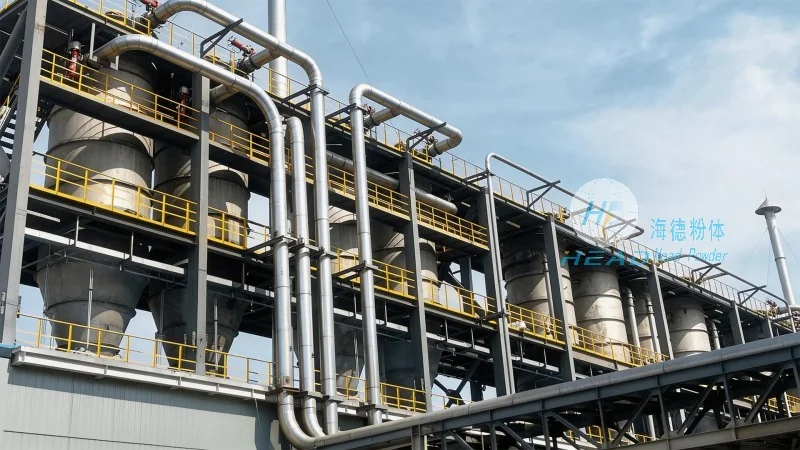
Key Features of HeadPowder's Pneumatic Conveying System for Sulfate Ferric Iron
HeadPowder's pneumatic conveying system for sulfate ferric iron incorporates several advanced features that set it apart from conventional methods. The system utilizes a positive displacement or dilute phase design, depending on the specific application requirements, to optimize material transport efficiency. The closed pipeline system ensures that the material remains contained throughout the conveying process, preventing contamination and maintaining product quality. The system is equipped with advanced control mechanisms that allow for real-time monitoring of pressure, flow rate, and material level, enabling operators to adjust parameters dynamically for optimal performance. Additionally, the system includes dust collection and filtration components to further minimize environmental impact and ensure compliance with regulatory standards. The design is modular, allowing for easy expansion or modification as production needs evolve, providing long-term value and adaptability.
Benefits of Choosing HeadPowder's Pneumatic Conveying System
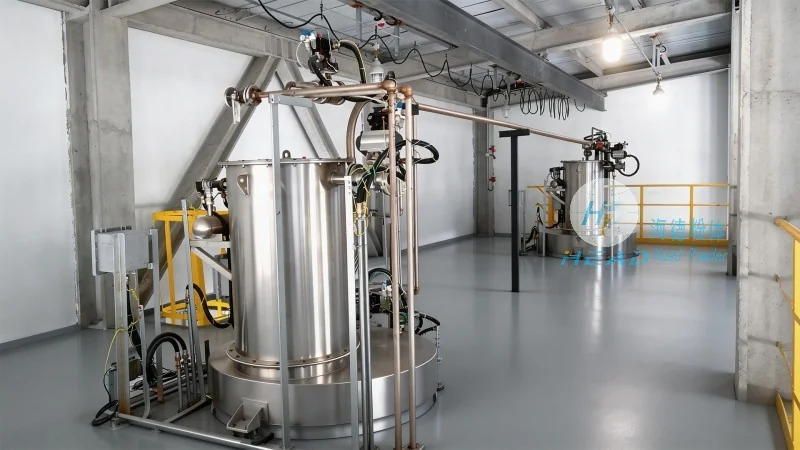
Implementing HeadPowder's pneumatic conveying system for sulfate ferric iron offers numerous benefits for industrial operations. The primary advantage is the significant reduction in operational costs, as the system requires less energy and maintenance compared to traditional methods. The closed system also minimizes material loss and contamination, ensuring consistent product quality and reducing waste. Safety is a critical benefit, as the enclosed environment prevents dust exposure and chemical hazards, creating a safer workplace for employees. Additionally, the system enhances productivity by increasing throughput and reducing downtime due to blockages or equipment failure. The flexibility of the system allows for seamless integration with existing production lines, minimizing disruption during installation and operation. Overall, HeadPowder's pneumatic conveying system provides a comprehensive solution that addresses the unique challenges of sulfate ferric iron transportation, delivering reliable, efficient, and cost-effective results.

 Công ty TNHH Kỹ thuật Công trình Bột Hải Đức Sơn Đông
 156-6277-7102(Quản lý Trương)
  0531-83386006
  Quận Chương Khâu, Thành phố Tế Nam, Tỉnh Sơn Đông, Trung Quốc
Điện thoại
WeChatTư vấn
Lên đầu