Công ty Hải Đức Bột với hơn 10 năm kinh nghiệm vận chuyển khí, cung cấp hệ thống‑thiết bị‑quạt gió và nhận dự án tổng thầu bột cả nước
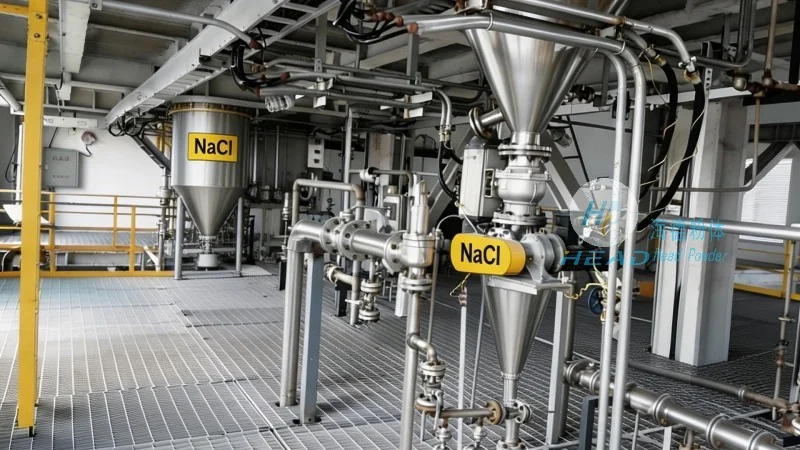
Calcium fluoride, a vital industrial material used extensively in metallurgy, glass manufacturing, and chemical processing, requires efficient and reliable conveying methods to support smooth production workflows. Among the various options available, pneumatic conveying emerges as a preferred solution for handling calcium fluoride due to its flexibility, efficiency, and ability to accommodate diverse material characteristics. This article explores common calcium fluoride conveying methods and highlights the advantages of HeadPowder's pneumatic conveying system, a leading solution from Shandong HeadPowder Engineering Co., Ltd., headquartered in China.
Overview of Calcium Fluoride and Conveying Challenges
Calcium fluoride (CaF₂), also known as fluorspar, is a naturally occurring mineral that serves as a key raw material in aluminum, steel, and glass production. Handling this material presents unique challenges due to its fine particle size, dustiness, and potential reactivity under certain conditions. Traditional conveying methods like belt conveyors or screw conveyors may struggle with these characteristics, leading to issues such as material degradation, equipment wear, and inefficient transport. Therefore, selecting an appropriate conveying system is critical to maintaining product quality and operational efficiency.
Common Conveying Methods for Calcium Fluoride
Several conventional methods are employed for calcium fluoride transport, each with its own set of advantages and limitations. The most common approaches include:
Belt Conveyors
Belt conveyors are widely used in bulk material handling due to their simplicity and cost-effectiveness. However, when dealing with calcium fluoride, these systems may face challenges such as material buildup on the belt, increased dust emissions, and potential product contamination. The fine nature of calcium fluoride particles can lead to clogging and reduced conveyor efficiency, making belt conveyors less suitable for high-volume or sensitive applications.
Screw Conveyors
Screw conveyors, also known as auger conveyors, use a rotating screw to move material along a tube or trough. While effective for handling dry, free-flowing materials, screw conveyors are not ideal for calcium fluoride due to the risk of material degradation and the tendency for particles to accumulate on the screw surface. This can result in uneven flow and increased maintenance requirements, limiting their applicability in calcium fluoride handling.
Bucket Elevators
Bucket elevators are vertical conveyors that use buckets attached to a chain or belt to lift and transport materials. They are suitable for vertical transport but may not be efficient for horizontal or inclined movement of calcium fluoride. Additionally, the high speed and mechanical stress can cause particle breakage, affecting the material's quality and the system's longevity.
HeadPowder's Pneumatic Conveying System: Advantages and Features
HeadPowder, a renowned manufacturer based in Shandong, China, offers advanced pneumatic conveying solutions tailored to the specific needs of calcium fluoride handling. The company's pneumatic conveying system combines innovation with practicality, addressing the challenges associated with traditional methods and providing superior performance. Key advantages of HeadPowder's system include:
Efficient Material Transport
HeadPowder's pneumatic conveying system utilizes air pressure to transport calcium fluoride particles through a network of pipes. This method ensures rapid and consistent material movement, minimizing downtime and enhancing overall production throughput. The system's ability to handle both horizontal and vertical transport makes it versatile for various industrial setups.
Low Maintenance and Durability
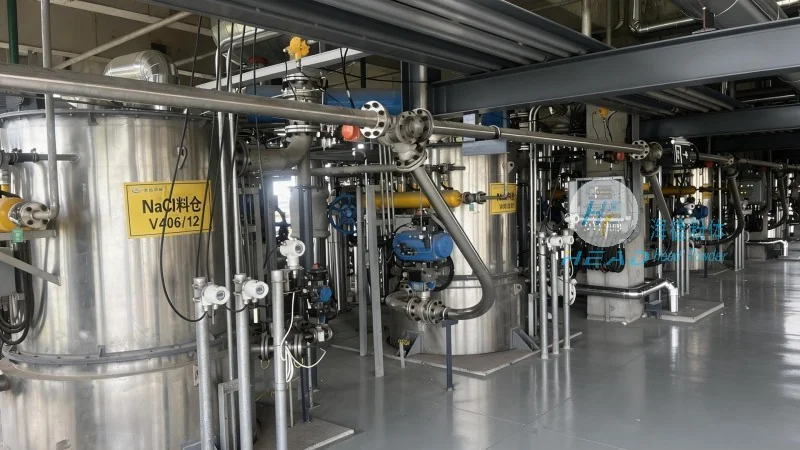
Unlike mechanical conveyors that require frequent maintenance and replacement of parts, pneumatic conveying systems from HeadPowder are designed for long-term reliability. The absence of moving parts in contact with the material reduces wear and tear, resulting in lower maintenance costs and extended equipment life. This durability is particularly beneficial for handling abrasive calcium fluoride particles.
Reduced Dust and Environmental Impact
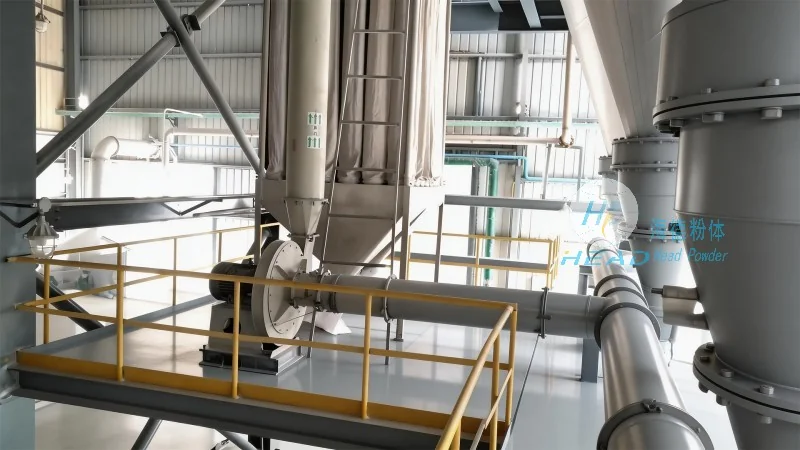
Calcium fluoride is a dusty material, and traditional conveying methods often lead to significant airborne dust, posing health and environmental risks. HeadPowder's pneumatic system incorporates dust collection and filtration technologies to minimize emissions, ensuring compliance with environmental regulations and creating a safer working environment. The enclosed system design also prevents material contamination and loss.
Customizable and Scalable Solutions
HeadPowder understands that industrial applications vary, and their pneumatic conveying systems are designed to be customizable and scalable. Whether for small-scale operations or large-scale production lines, the system can be adjusted to meet specific flow rates, pressure requirements, and material characteristics. This flexibility allows customers to optimize their conveying processes and adapt to changing production needs.
Conclusion: Choosing the Right Conveying Solution for Calcium Fluoride
When selecting a conveying method for calcium fluoride, it is essential to consider factors such as material properties, production scale, and operational efficiency. While traditional methods like belt and screw conveyors have their place, pneumatic conveying systems, particularly those from HeadPowder, offer superior performance and reliability. By leveraging the advantages of HeadPowder's pneumatic conveying system, industries can enhance their calcium fluoride handling processes, reduce costs, and ensure product quality. As a leading provider based in China, HeadPowder continues to innovate and deliver tailored solutions that meet the evolving needs of the industrial sector.

 Công ty TNHH Kỹ thuật Công trình Bột Hải Đức Sơn Đông
 156-6277-7102(Quản lý Trương)
  0531-83386006
  Quận Chương Khâu, Thành phố Tế Nam, Tỉnh Sơn Đông, Trung Quốc
Điện thoại
WeChatTư vấn
Lên đầu